French President Emmanuel Macron has embarked on a tour of East Africa as Paris seeks to rebuild its influence on the continent after a series of setbacks, particularly in its former West African colonies.
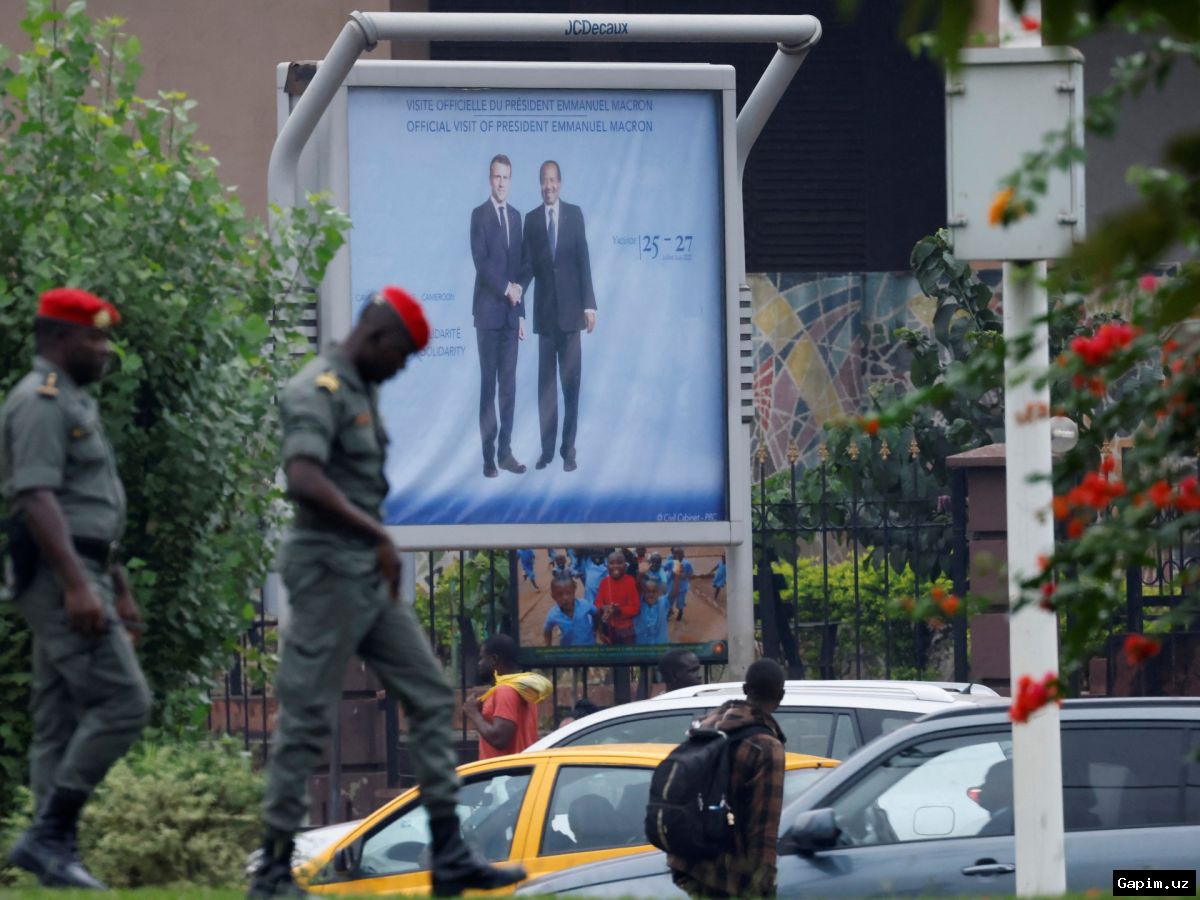
Macron began the three-country tour in Egypt on Saturday, with subsequent stops in Kenya and Ethiopia. He will co-host a summit in English-speaking Kenya on Monday and Tuesday, as France attempts to redefine its role in Africa, moving away from its postcolonial posture toward closer cooperation.
The summit will bring together African leaders and business executives, with several agreements between French and Kenyan companies expected to be signed during the visit to boost economic and commercial ties.
The “Africa Forward” summit will be the first in an Anglophone country attended by Macron since he took office in 2017. The French president will conclude his tour in Addis Ababa on Wednesday, where he will hold meetings with Ethiopian officials and participate in talks at the African Union headquarters on peace and security in Africa.
The tour is widely seen as a bid by Paris to repair economic and security ties and counter rising anti-French sentiment across parts of Africa.
France colonized large parts of West and Central Africa and maintained excessive political and economic influence long after independence. Once widely accused of supporting unpopular leaders for strategic gain, France is no longer the dominant foreign power it once was in Francophone Africa.
Across the continent, there is a growing push for more equal, win-win partnerships, tighter control over natural resources, and broader alliances beyond traditional Western partners. Anti-French sentiment has generally grown alongside political instability, military coups, and rising competition from other international powers.
The sharpest rupture has come in the Sahel region, where Mali, Burkina Faso, and Niger have experienced coups followed by rapidly deteriorating relations with France. French forces were subsequently expelled after years of military operations against armed groups that many local governments and segments of the public viewed as ineffective.
In the vacuum, the region’s military rulers have turned to new security partners, particularly Russia, highlighting France’s declining influence in the region. Russian influence, including through the Wagner Group and its successor networks, expanded in part by exploiting anti-French sentiment.
Macron is seeking to reshape France’s Africa policy, replacing traditional influence with what he calls partnerships. He is also pushing for deeper cultural and educational cooperation focused on entrepreneurship, climate, and youth engagement.
Such efforts are seen as France’s attempt to reinvent its postcolonial relationship with African states and compete with powers like China and Russia. Paris is, in fact, trying to shift its Africa policy; questions over its influence on the continent, however, persist.
Source: www.aljazeera.com