Berlin is a city full of graffiti: colorful and loud, imaginative, annoying, and often political. Spray paint seems to have long since conquered the city. Yet on April 11 this year, three large words sprayed across the side of a building in the Prenzlauer Berg district, calling in English for the killing of all Jews, provoked outrage and shock.
The words were quickly covered and painted over — yet the message still shows through. True to Berlin's character, civil society responded: Residents held a vigil. Blue-and-white ribbons now hang from lampposts and traffic signs, bearing the words "Against all antisemitism" beside a Star of David.
Children used chalk to cover nearly a hundred meters of the sidewalk on Ueckermünder Strasse with hearts and messages like "No place for hate," "Respect," and "Togetherness." Police notices were taped to front doors, announcing: "Antisemitic incitement to hatred involving property damage through graffiti."
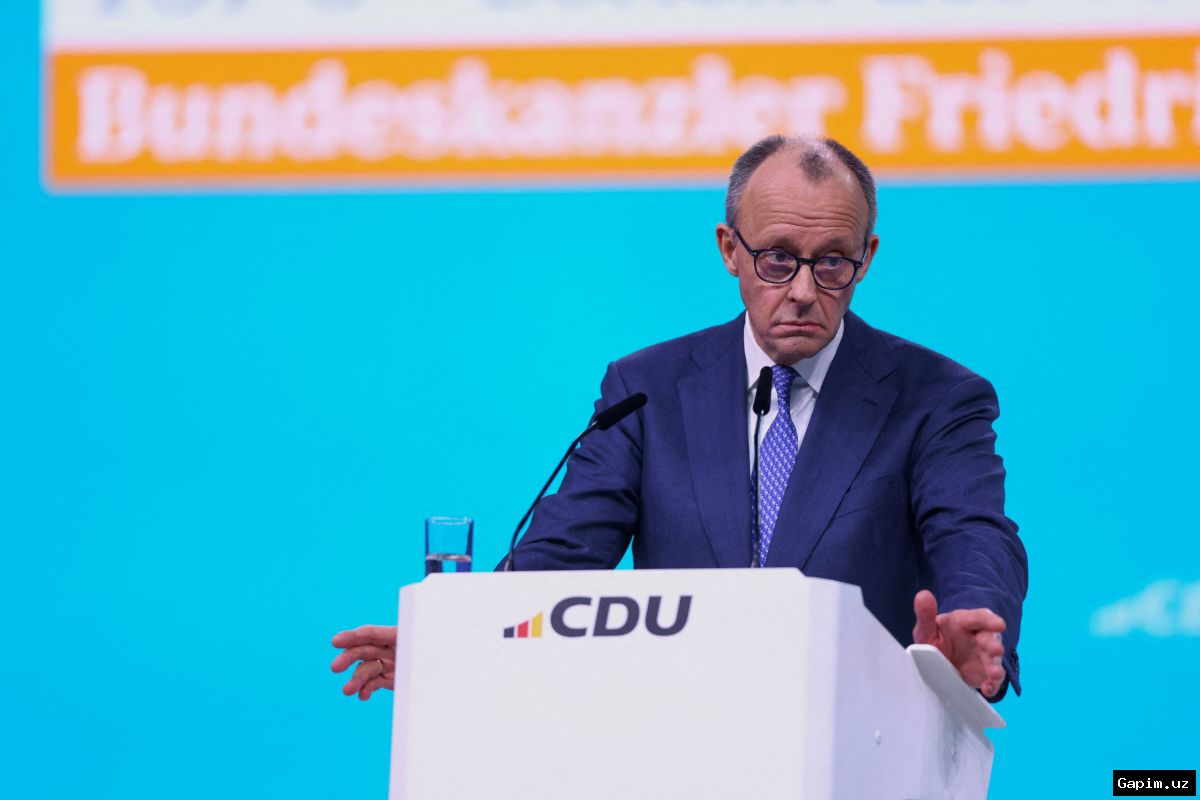
The day after the vigil, a few kilometers away in western Berlin, the executive committee of the center-right Christian Democratic Union (CDU), led by Chancellor Friedrich Merz, convened on the campus of the Jewish Chabad movement. They were welcomed by Rabbi Yehuda Teichtal, who appealed for a focus on the good.
Merz told the cameras: "Jewish life in Germany is more threatened than it has been in a very long time." He had previously appeared to fight back tears while recalling the horrors of Nazi Germany's mass murder of Jewish people.
The party leadership adopted a five-page resolution declaring: "Jewish life is part of Germany. As the CDU of Germany, we will clearly identify and combat every form of antisemitism." However, the document leans repeatedly on calls for a "broad societal stance" and a "clear stance," remaining vague on concrete measures.
On May 5, Israeli Foreign Minister Gideon Sa'ar arrived in Berlin for a two-day visit. He visited the Track 17 Holocaust memorial at Berlin's Grunewald S-Bahn station, where he lit two candles. This week, the square in front of the Berlin state parliament was named Margot Friedländer Platz, after the Holocaust survivor who returned from New York in 2010.
Source: www.dw.com