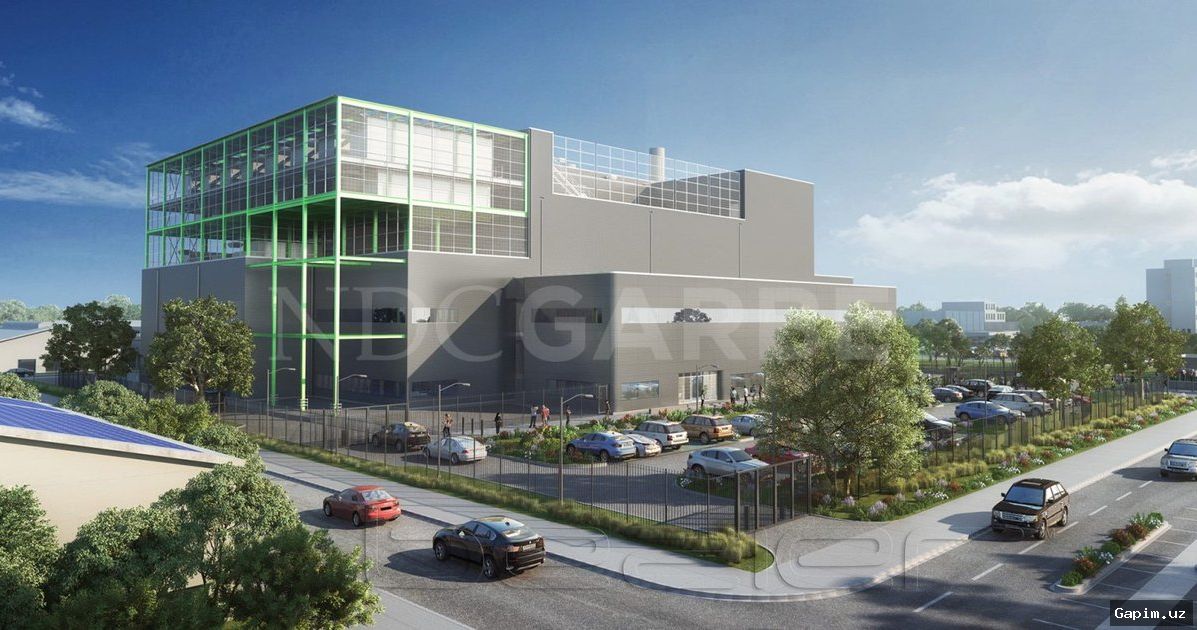
Google is investing several billion dollars in a new high-performance data center in Dietzenbach, a small German town near Frankfurt. The greater Frankfurt area is one of Europe's most important data center hubs.
DE-CIX Frankfurt, the world's leading internet exchange, handles over 17 terabits of data traffic at peak times—equivalent to nearly 3.5 million people streaming an HD film simultaneously. Some 76 data centers already operate in the region, with about 12,000 worldwide.
Data centers are the backbone of the modern internet, and their importance is growing with the rapid expansion of artificial intelligence. They are also critical to national security, supporting energy, healthcare, finance, and transport systems.
In Germany, data centers are classified as critical infrastructure and receive special protection. In March 2026, the government published a new National Data Center Strategy, aiming to double capacity by 2030 and reduce reliance on non-European providers.
However, these centers are prime targets for cyberattacks. In January 2026, the German Federal Bank reported over 5,000 cyberattacks per minute on its systems alone. A fire in Strasbourg in 2021 took down 3.6 million websites.
Data centers have also become strategic military targets. During the war in Ukraine and the US-Israeli conflict with Iran, centers in the Persian Gulf belonging to Amazon Web Services were attacked. Iranian authorities allegedly published a list of 30 potential US IT targets in the region.
Local communities increasingly protest data center construction due to high energy and water consumption, electronic waste, and minimal job creation. Protests in Chile and Maine (US) have succeeded in blocking projects. In Gross-Gerau, Germany, a €2.5 billion Vantage Data Centers project was rejected by the town council.
Source: www.dw.com