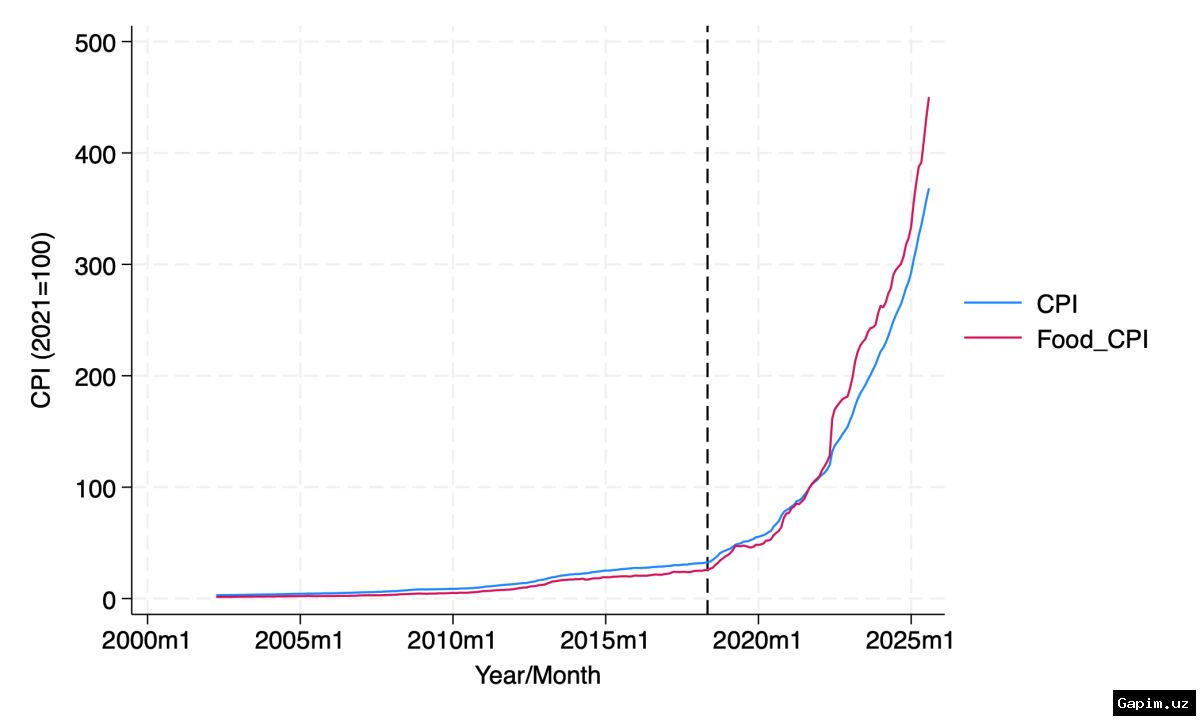
Iran's Statistical Center reported a staggering 115% year-on-year food inflation for the Persian month of Farvardin (ending April 20), far outpacing the headline inflation rate of 73.5%. The data underscores a deepening food security crisis for Iranian households.
President Masoud Pezeshkian acknowledged the hardships but urged national unity, stating, "It is natural that there are difficulties... but through people's cooperation and reliance on national cohesion, problems can be solved." His comments came as diplomatic efforts to end the US-Israeli war intensify.
The highest price surges were recorded for solid vegetable oil (375%), liquid cooking oil (308%), imported rice (209%), Iranian rice (173%), and chicken (191%). Even the smallest increases — butter (48%), infant formula (71%), and pasta (75%) — remain severe.
A Tehran resident told Al Jazeera she can no longer afford items she bought just last month. Majid, a kebab shop worker, said liver prices have doubled, with suppliers citing shortages or sheep exports. "Honestly, there's no real oversight," he added.
The Iranian rial hit a record low of 1.77 million per US dollar on the open market, down from 830,000 a year ago. The government offers monthly subsidies of less than $10 per person, but a budget crunch limits further aid.
A near-total internet shutdown, now in its 72nd day, has crippled businesses. The Guild Association of Internet-based Businesses declared, "The startup ecosystem of the country is dead." Authorities blame the Supreme National Security Council for the blackout.
While some officials and IRGC-linked media frame price hikes as "economic revenge" by enemies, critics point to mismanagement, Western sanctions, and the war as root causes. The US naval blockade and internal policies continue to squeeze the population.
Source: www.aljazeera.com