A United States citizen who was aboard the hantavirus-hit MV Hondius cruise ship has tested positive for the virus, while a French traveler has developed symptoms. The ship is anchored near Tenerife in Spain's Canary Islands, and passengers are being evacuated to their home countries.
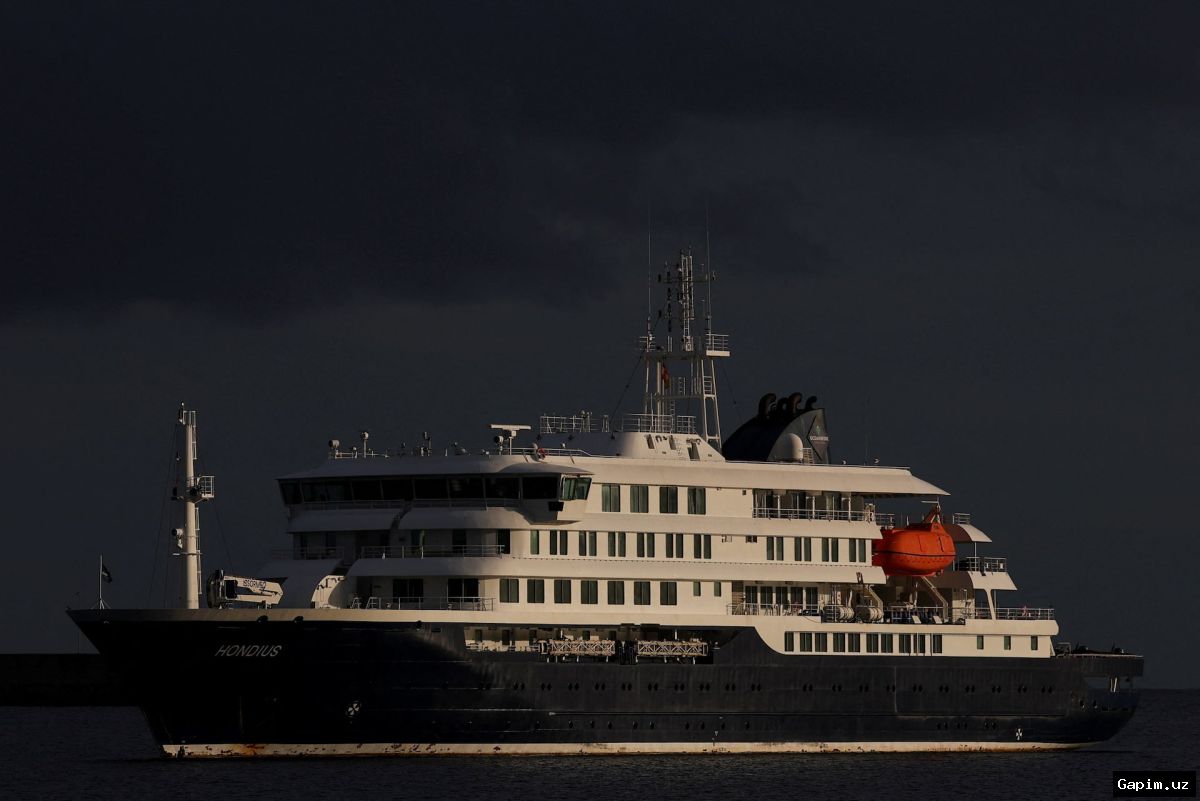
At least eight people on board have been confirmed or are suspected of contracting hantavirus. Three people have died, and at least one is in intensive care. Initially, Spanish health officials, the World Health Organization (WHO), and Oceanwide Expeditions stated that no one showed symptoms, but that has changed.
Passengers are being flown home on military and government planes. WHO Director-General Tedros Adhanom Ghebreyesus oversaw the process, reiterating low risk to the public. WHO epidemiologist Maria Van Kerkhove recommended testing and monitoring all passengers for at least 42 days after suspected exposure.
Evacuation flights carry citizens from over 20 countries. Spanish passengers were taken to a military hospital in Madrid, while Norway sent an ambulance plane. One of 17 US passengers tested positive but is asymptomatic. French Health Minister Stephanie Rist reported that one of five French passengers developed symptoms on a flight to Paris, and her condition has deteriorated.
A Japanese national was flown to the UK and will be monitored for 45 days. In the Netherlands, 26 people landed in Eindhoven and are under six-week home quarantine. Citizens from Germany, Greece, India, Portugal, Argentina, Belgium, Ukraine, Guatemala, the Philippines, and Montenegro are also being quarantined.
At least 34 passengers and crew had disembarked by May 2, when the WHO first received reports of the outbreak. The source of the virus remains unknown, but investigations point to Argentina, where the ship departed on April 1.
The outbreak involves the Andes strain of hantavirus, endemic in rural South America and capable of human-to-human transmission. The first victims were an elderly Dutch couple who reportedly visited a landfill in Ushuaia, Argentina, in search of a rare bird. Local health officials deem this unlikely, as no cases have been recorded there since 1996.
The negative attention on Ushuaia, known as the 'gateway to Antarctica,' is impacting local businesses, with fears that the outbreak could reduce tourism. Argentine health officials are testing rats at the landfill site.
Source: www.aljazeera.com