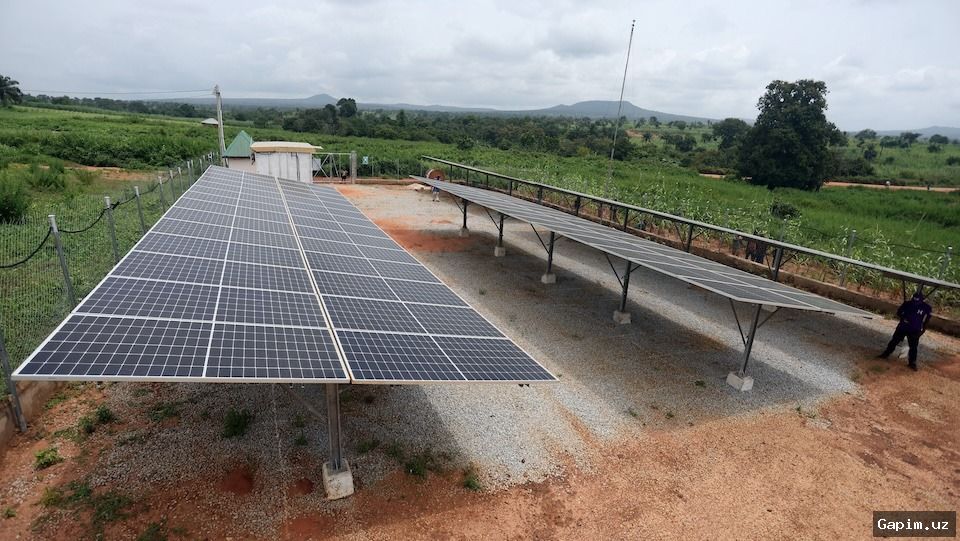
Nigeria has become Africa's second-largest importer of solar panels, surpassing Egypt and trailing only South Africa, according to data from global energy think tank Ember. However, the surge in imports does not yet reflect a widespread energy transition.
Music producer Somik Chris Ikesom in Owerri, Imo State, told DW that switching to solar has reduced his reliance on generators by 80%. "My equipment is sensitive to power fluctuations, and generators often damaged them," he said. Solar provided steady, reliable power.
But Ikesom acknowledged the high upfront cost: "Installation runs into millions of naira." Still, he recouped his investment within two years and recommends solar to other studio owners, though he is honest about the expense.
Gbenga Kogbe, CEO of Lagos-based Sunhive, noted a surge in demand over the past 12-18 months, but said inquiries have "stayed relatively stable" due to shrinking purchasing power. "The alternative is non-consumption," he said.
Kogbe advocates for a shift to "energy as a service" model, where companies own solar assets and sell power. Sunhive now focuses on commercial clients, battery storage, and rural mini-grids. High interest rates (up to 30%) and currency volatility drive up costs.
Godson Ikiebey, sustainability specialist at PwC Nigeria, warned that China's removal of subsidies could raise panel prices. He added that Nigeria's clean energy industrial policy is still evolving, with no clear financing roadmap.
The government encourages local assembly of solar components, but local manufacturers can meet only about 5% of demand, according to Kogbe. Import bans, he argued, would raise costs and potentially destroy the industry.
Source: www.dw.com