In 2018-2019, the Andes virus hantavirus spread person-to-person in Argentina, killing 11 people. Analysis of that outbreak shows the current one can also be stopped, researchers say.
With memories of the COVID pandemic still fresh, communities are worried about hantavirus spreading internationally. WHO Director-General Tedros Adhanom Ghebreyesus wrote a letter to the people of Tenerife, Spain, on May 9, 2026, saying: "I know you are worried."
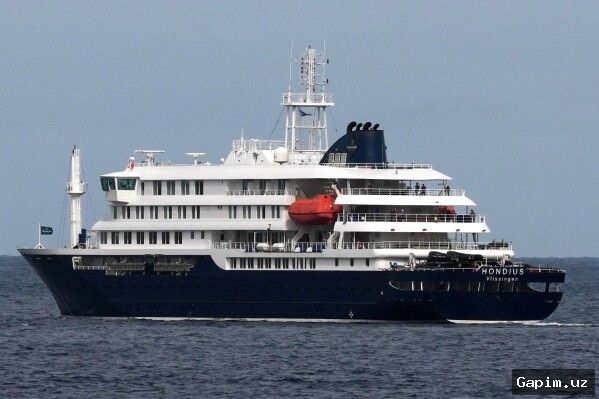
The cruise ship MV Hondius, on which hantavirus spread killing three and infecting others, was about to dock at Tenerife's Granadilla Port. From there, 147 passengers and crew were to be repatriated to their home countries, including Germany, France and Australia.
Tedros acknowledged that hearing the word "outbreak" and watching a ship sail toward shores brings back memories that have not fully settled. But there is a significant difference between COVID and hantavirus: SARS-CoV-2 was unknown in 2019, while hantavirus has been known since 1993.
Because hantavirus is known to cause Hantavirus Pulmonary Syndrome (HPS), appropriate distancing measures were implemented on the ship once lab tests confirmed it caused the first two deaths. An analysis of the 2018-2019 Argentina outbreak indicates how effectively even basic control measures like social distancing slow person-to-person spread.
In a 2020 paper, researchers described how transmission speed of Andes virus halved when "public health officials enforced isolation of confirmed cases and self-quarantine of possible contacts" during the Argentina outbreak. Control measures were enforced after 18 people were confirmed infected at a mass gathering.
"These measures most likely curtailed further spread," the researchers wrote. "The median reproductive number was 2.12 before control measures and decreased to 0.96 after implementation." The situation on MV Hondius differed: while known cases are fewer (7 confirmed, 2 suspected), it took longer for control measures to be enforced.
After the first death on April 11, hantavirus was confirmed as cause on May 4 — more than three weeks later, two days after WHO was notified. Once docked at Tenerife, Spanish health authorities took "all measures" to prevent spread. Passengers, crew, and health workers wore masks and protective suits; personal effects were carried in sealed bags.
Giulia Gallo, a researcher at The Pirbright Institute, UK, said: "Reducing any potential contacts and the use of FFP2 masks are supported by what we know about this virus." Hantavirus infections are relatively uncommon globally: in 2025, WHO documented 229 cases and 59 deaths in the Americas. No vaccine exists for the infectious disease.
Source: www.dw.com