US President Donald Trump has rejected Iran's response to his latest peace proposal aimed at ending a war that has disrupted the global economy. In a post on his Truth Social platform Sunday evening, Trump accused Iran of 'playing games' and warned, 'They will be laughing no longer!' He later described the response from Iran's 'so-called Representatives' as 'TOTALLY UNACCEPTABLE!'.
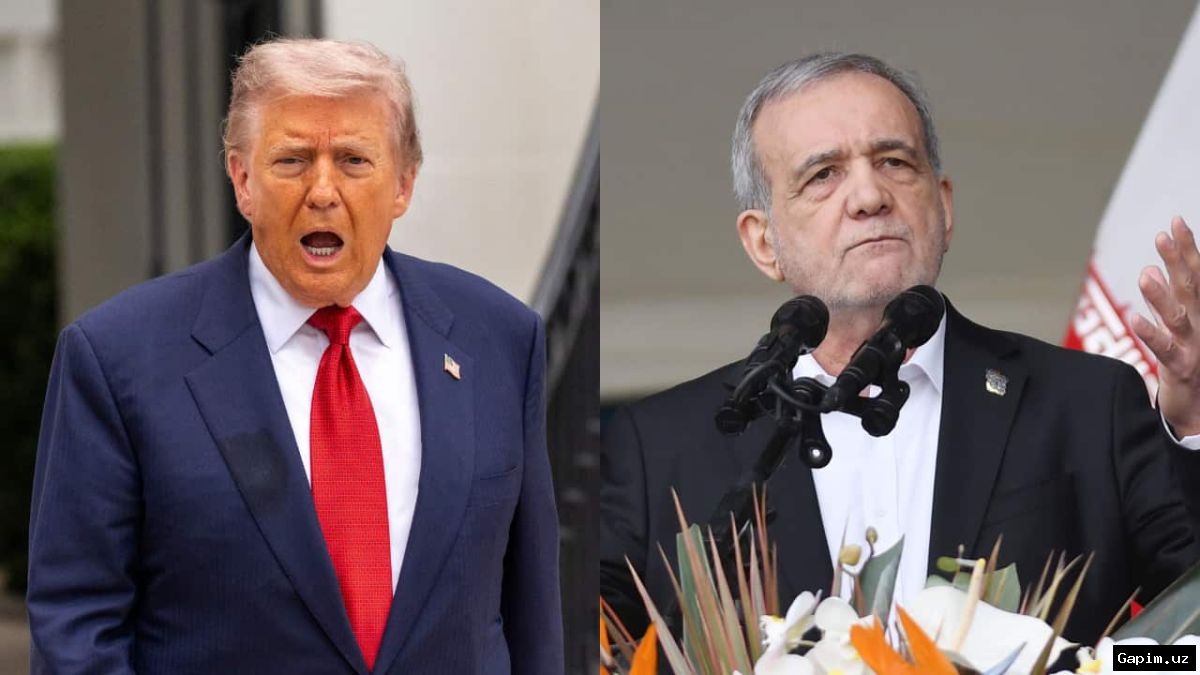
Despite a temporary ceasefire in effect since April 8, talks between the US and Iran have stalled. Tehran demands a permanent end to hostilities, while Trump insists Iran must first reopen the Strait of Hormuz, through which one-fifth of global oil and gas exports pass during peacetime. The US has also made Iran's nuclear capability a 'red line'.
According to Iranian media, Tehran's counterproposal includes a demand for an end to the war on all fronts, including in Lebanon, where Israel has conducted heavy strikes. Iran wants initial negotiations to focus on ending hostilities and ensuring 'maritime security' in the Gulf and the Strait of Hormuz, before addressing broader issues such as its nuclear program and support for proxy groups.
An Iranian source told Al Jazeera that Tehran's response was 'realistic and positive', adding: 'Washington's positive response to our response will move the negotiations forward quickly. The choice now lies with Washington.'
On the nuclear issue, people familiar with the proposal told The Wall Street Journal that Iran offered to dilute some of its highly enriched uranium and transfer the rest to a third country, and to suspend enrichment for a shorter period than the 20-year moratorium proposed by the US. Iran rejected dismantling its nuclear facilities.
Iranian Foreign Ministry spokesperson Esmaeil Baghaei accused the US of continuing to make 'unreasonable demands' and said Iran's proposal was 'not excessive'. He called the demand to end the war and lift the naval blockade 'legitimate'.
Analysts suggest Trump has painted himself into a corner. 'He is unwilling to concede further to the Iranian regime, as this would not fit the narrative of US strength and dominance... However, he is also unable to pressure the Iranians into making concessions,' said Chris Featherstone of the University of York. Ali Vaez of the International Crisis Group noted that 'no amount of economic coercion or military force will compel Iran to capitulate to maximalist US demands.'
Source: www.aljazeera.com