In late April, images of four emaciated soldiers sparked outrage in Ukraine. The group reportedly endured up to 17 days without food deliveries and months without rotation on the front line.
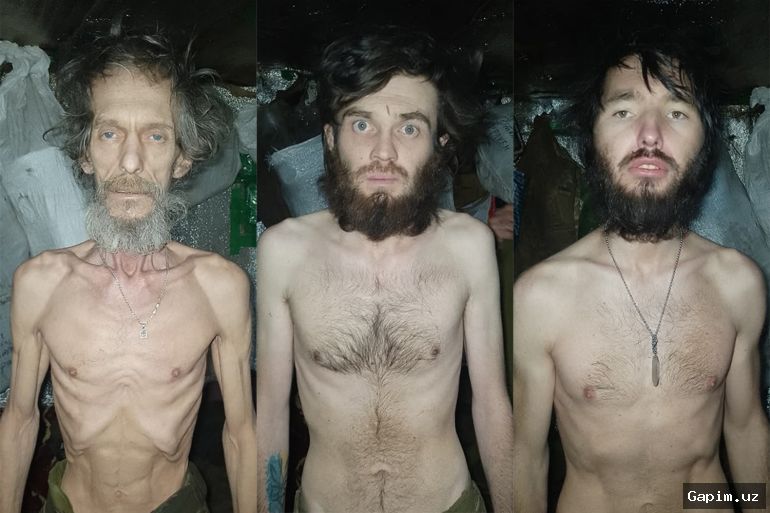
“Fighters faint because of starvation, they drink rainwater,” Anastasia Silchuk, wife of a soldier in the 14th Mechanised Brigade, wrote on social media on April 22. She claimed her husband’s radio pleas for help were ignored.
The soldiers were trapped on the eastern bank of the Oskil River in Donetsk after Russian bombs destroyed bridges to their brigade. Drones have become the primary means of delivering food, ammunition, and medical supplies to isolated positions.
“Gone are the days when you could just come out of a bunker to have a smoke,” said Ihor, a drone unit commander. Small, cheap suicide drones have rendered tanks and armored vehicles nearly obsolete.
Oleksandr, a 31-year-old soldier recovering from a leg wound, told Al Jazeera: “You dream of a hot meal, because what you get for weeks is chocolate bars, oatmeal and a bottle of water a day.”
Ukraine’s Defense Ministry launched an investigation and stated on April 28 that supply failures “must not become systemic.” The brigade commander was dismissed.
On the Russian side, soldiers are often sent on high-risk missions with minimal food. Ukrainian intelligence claims hundreds of Russian troops have been abandoned on Dnipro River islands without supplies, with unverified reports of cannibalism emerging.
Source: www.aljazeera.com