A new round of negotiations between Israel and Lebanon is set to take place on Thursday and Friday in an effort to salvage a fragile ceasefire that expires on Sunday. The truce, which has been repeatedly violated by Israel, is under severe strain as both sides prepare for their third face-to-face meeting this year, following earlier rounds in Washington on April 14 and 23.
The talks have deeply divided Lebanon, a country that does not recognize Israel. President Joseph Aoun and Prime Minister Nawaf Salam support direct negotiations, while Hezbollah and its allies, including Parliament Speaker Nabih Berri, prefer indirect talks. The internal rift threatens to undermine Lebanon's negotiating position.
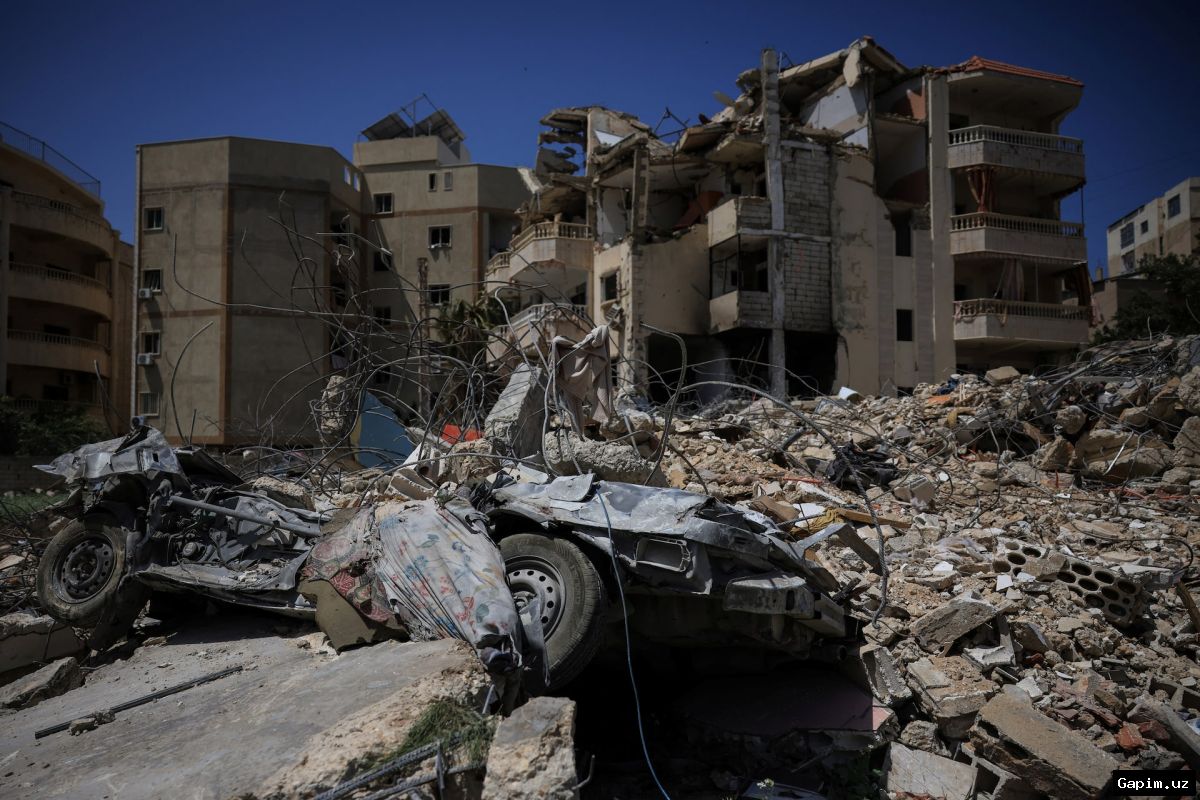
Despite the ceasefire, Israel has intensified its attacks across Lebanon. On Wednesday, Israeli drones struck vehicles on a key road linking southern Lebanon to Beirut, killing eight people, including two children. Another nine were killed in separate strikes. On Thursday, Israel continued its assaults and issued forced evacuation orders for towns in the eastern Bekaa Valley and the south.
The delegations will include familiar faces: US Ambassador to Israel Mike Huckabee, Lebanese diplomat Simon Karam, and Military Attaché General Oliver Hakme. Israel will be represented by Ambassador Yechiel Leiter and Brigadier General Amichai Levin. US Secretary of State Marco Rubio, who attended previous rounds but is currently in China, will be replaced by adviser Michael Needham.
The Lebanese government is divided on the talks' framework and objectives, according to analyst Souhayb Jawhar. The US even proposed a direct meeting between Aoun and Israeli Prime Minister Benjamin Netanyahu, which inflamed tensions. Some analysts believe internal strife in Lebanon benefits Israel, as it weakens the state and creates opportunities for further fragmentation.
Hezbollah chief Naim Qassem stated that the group accepts the government's negotiations but rejects direct talks. He outlined goals including halting Israeli attacks, withdrawal from occupied territories, deployment of the Lebanese army to the south, and reconstruction. However, Hezbollah has continued to retaliate against Israeli forces.
Analysts note that Lebanon has little leverage. Israel seeks to disarm Hezbollah and potentially annex southern Lebanon, while the US acts as the sole mediator. Critics doubt Washington's neutrality, given its historical bias toward Israel. Saudi Arabia has attempted to mediate internal Lebanese disputes to present a united front, but the outcome remains uncertain.
Source: www.aljazeera.com