India has long prided itself on maintaining balanced ties with rival powers in the Middle East, buying oil from Iran, building defense ties with Israel, strengthening relations with the US, and expanding economic links with Gulf monarchies while avoiding formal alliances. However, the Iran war is pushing this strategy to its limits.
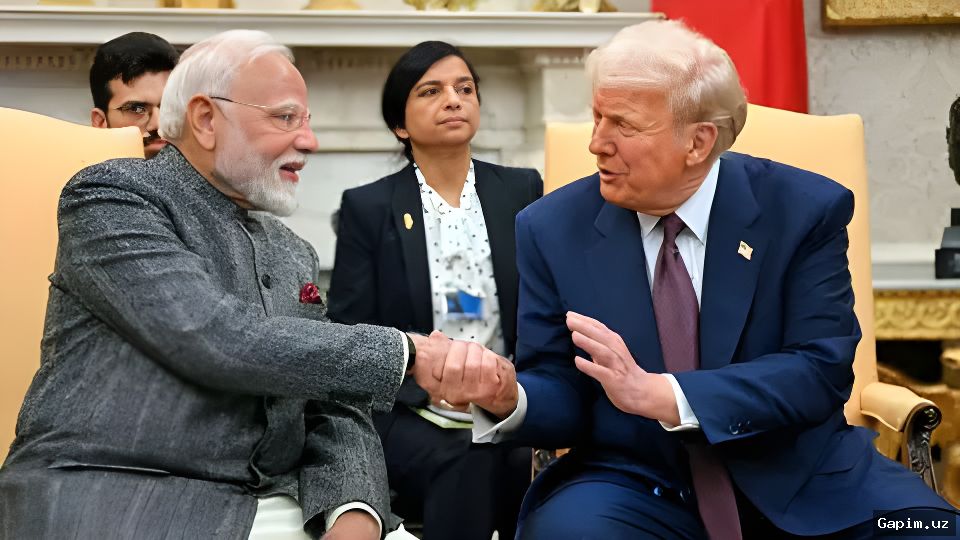
Prime Minister Narendra Modi is set to embark on a seven-day diplomatic tour, visiting the United Arab Emirates and four European countries, in what analysts see as an effort to manage the pressure from the conflict. The crisis challenges India's core assumption that it can maintain strategic autonomy while cultivating ties with all major powers in the region.
Amitabh Mattoo, dean of the School of International Studies at Jawaharlal Nehru University, said the Iran conflict has made the balancing act far more unforgiving. "If push comes to shove, India's first instinct will always be to protect economic stability and energy security," he told DW.
Retired diplomat T.S. Tirumurti argued that India's multi-alignment policy remains viable. "We have navigated such issues in the recent past and managed to secure energy supplies as well as keep good relations with Israel and the US," he said.
Gulf nations supply a major share of India's crude oil and natural gas, and over nine million Indians live and work in the region, with their remittances crucial to India's economy. The Strait of Hormuz remains a key pressure point, and any disruption could trigger inflation and financial instability.
Shanthie Mariet D'Souza, founder of the Mantraya research forum, said India's strategic autonomy has not yet fully broken down, but prolonged war could make balancing impossible. She views Modi's multi-nation tour as a diplomatic effort to end the conflict.
Source: www.dw.com