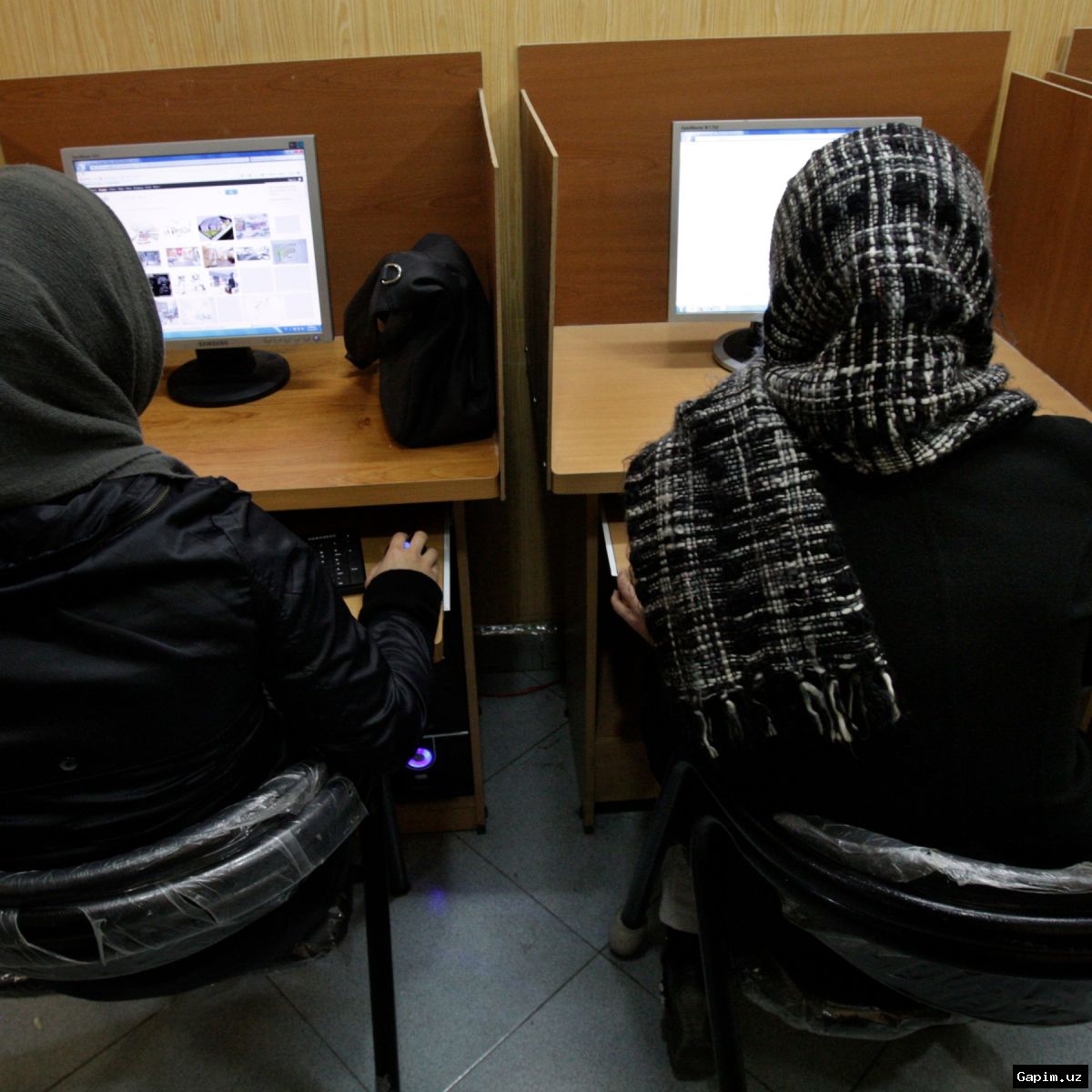
Tehran, Iran – The Iranian regime is exploring ways to provide limited internet connectivity to approved individuals and entities amid an ongoing state-imposed internet shutdown, with a tiered access model that experts say undermines the digital rights of Iranians.
President Masoud Pezeshkian on Wednesday announced the creation of a new entity to review internet coverage, the Specialised Headquarters for Organising and Guiding Iran’s Cyberspace, headed by First Vice President Mohammad Reza Aref, a relative moderate. Pezeshkian said he expects Aref to “create institutional cohesion” and “prevent parallel work” in cyberspace governance.
The new body is tasked with overhauling cyberspace governance and reviewing the efficiency of the Supreme Council of Cyberspace, a powerful body established by the late Supreme Leader Ayatollah Ali Khamenei in 2012. The council, led by Mohammad Amin Aghamiri, has heavily restricted internet access based on “security considerations.”
The move comes 11 weeks into a near-total online blackout affecting over 90 million citizens, following a 20-day outage during deadly protests in January. This is now the longest nationwide internet shutdown globally, with users only able to access a slow intranet. VPNs offer a workaround but are expensive and often disrupted.
The regime claims the shutdown is necessary to counter Israeli Mossad and other threats since the war with the US and Israel began on February 28. The Supreme National Security Council has launched “Internet Pro,” a state service offering slightly better access at higher prices, including Telegram, WhatsApp, and ChatGPT, but blocking YouTube and most international services.
Chief Justice Gholam-Hossein Mohseni-Ejei admitted inconsistencies in Internet Pro’s implementation, calling it a “sledgehammer on public opinion,” but warned against violating internet laws. Authorities have pledged to restore the internet only after the war ends, with no clear timeline.
Government spokesperson Fatemeh Mohajerani lashed out at reporters, saying, “The country is at war, we must accept that the security of the people is a condition of war.” Digital security expert Amir Rashidi believes tiered access is here to stay, rooted in policies from the 2019 protests. He said the new headquarters can only coordinate existing policies, not bring fundamental change.
An anonymous Tehran-based cybersecurity expert said the shutdown has harmed the country more than it has helped. Even officials like Science Minister Hossein Simaei Saraf have voiced concerns, noting that reduced internet access disrupts scientific research. He bypassed the ICT minister to request unblocking PubMed, which was reopened days later.
ICT Minister Sattar Hashemi boasted that local messaging apps like Baleh and Eita have 100 million users combined. Many government services are offered exclusively on these apps, which lack strong encryption, allowing the regime greater surveillance capabilities as citizens are forced to rely on them.
Source: www.aljazeera.com