WASHINGTON, DC — Every year in May, Palestinian survivors and rights advocates ask a pressing question: Can the US government create just policy in the Middle East without a full accounting of Palestinian history? Thursday marks the annual Nakba remembrance, a period that began in 1948 with the mass expulsion of Palestinians and the creation of Israel.
The US regime does not recognize the Nakba, which translates to “catastrophe” in Arabic, even as it maintains enormous influence over the region and unwavering support for the Israeli government. Under the second administration of President Donald Trump, the US has taken a more active role in Palestinian affairs, establishing the controversial “Board of Peace” to oversee Gaza’s reconstruction.
Khaled Elgindy, a senior fellow at the Quincy Institute, believes the US cannot responsibly address Palestinian issues without acknowledging the Nakba. “If you only acknowledge the humanity and suffering of one side, that forces you also to ignore historical realities that are still with us today,” he told Al Jazeera. Elgindy said “political amnesia” has long defined the US approach to the Israel-Palestine conflict.
For decades, the US has supported Israel with billions in foreign and military aid, despite the Israeli occupation of Palestinian territory and a system of segregation that rights groups call apartheid. Since October 7, 2023, Israel’s genocidal war in Gaza has killed at least 75,000 Palestinians. Elgindy said the US has played a key role in underwriting the conflict.
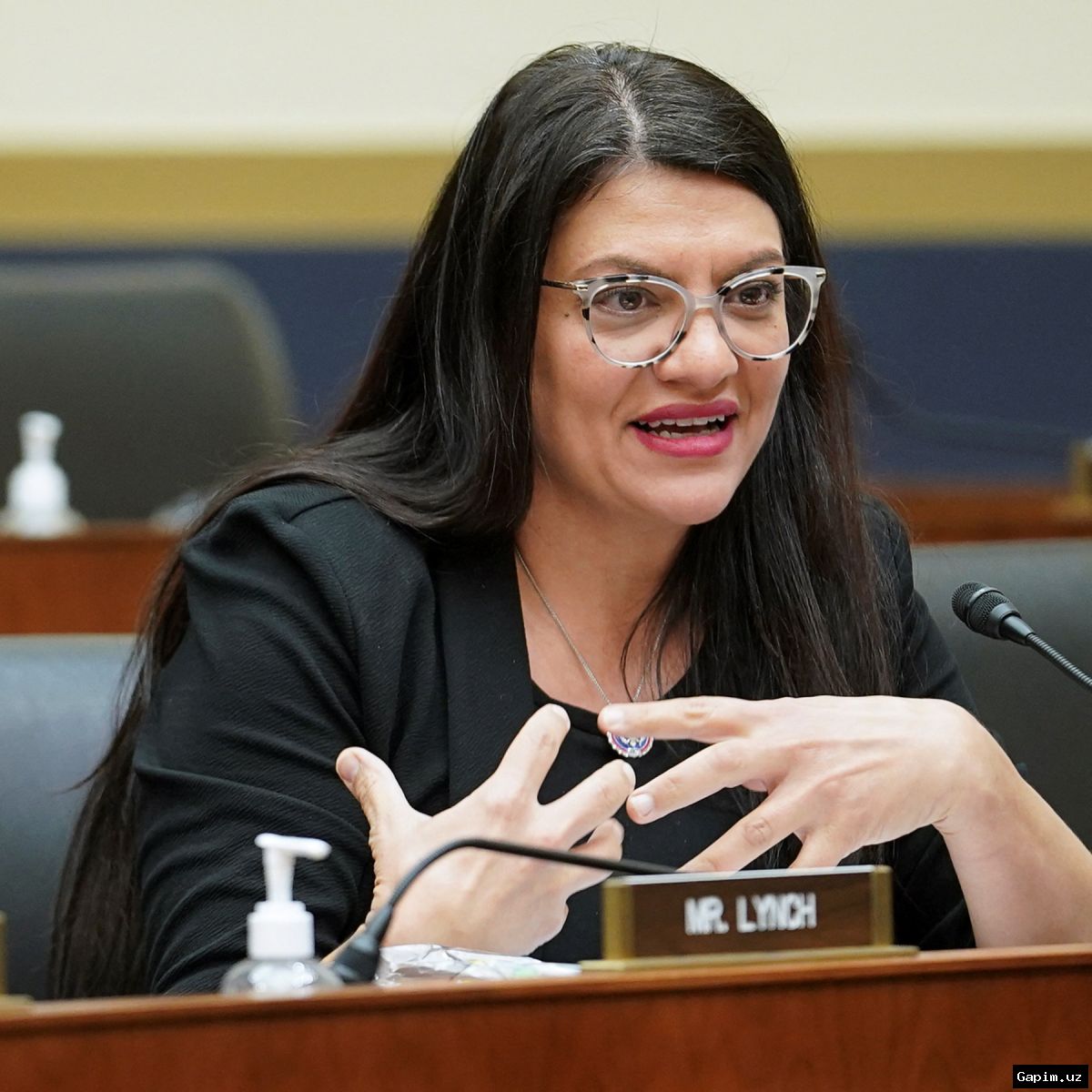
On Thursday, US Representative Rashida Tlaib introduced a resolution to officially recognize “the ongoing Nakba and Palestinian refugees’ rights.” It was the fifth consecutive time she has put forward the bill. Tlaib explained that attention to the Nakba is necessary because human rights abuses against Palestinians continue.
The resolution is largely symbolic, with little chance of passing in Congress, which remains predominantly pro-Israel. However, polls show growing sympathy for Palestinians and declining support for Israel among the US public. In April, 40 Democrats in the Senate voted to block the sale of military bulldozers to Israel.
Yousef Munayyer, a senior fellow at the Arab Center Washington DC, told Al Jazeera that Tlaib’s resolution may not pass today, but it will one day. “When it does pass — and I do think we will one day get to that point — it will be because of all the efforts that came to build the critical mass necessary,” he said.
The United Nations held its first-ever Nakba commemoration in 2023, but the US, UK, Germany, and 30 other countries voted against the resolution. The US did not attend, citing “longstanding concerns over anti-Israel bias within the UN system.”
Elgindy noted that US acknowledgment of the Nakba declined in parallel with an increasingly full-bore embrace of Israel, beginning under President Lyndon B. Johnson in the 1960s. “The historical record on this is just indisputable,” he said. “What really surprised me was how it took basically less than a generation to forget all of that in terms of American politics.”
Supporters of Tlaib’s resolution argue its significance is practical as well as symbolic. “If policymakers don’t factor in the Nakba and remedying it to the extent that it can be remedied today, they’re simply going to be perpetuating an unjust status quo,” said Josh Ruebner, director of the Institute for Middle East Understanding.
Source: www.aljazeera.com