The UK's Labour Party, which won a landslide victory less than two years ago ending 14 years of Conservative rule, is now in deep crisis. Last week's local council elections in England saw Labour lose over half of their seats, with most going to the right-wing, anti-immigration Reform UK party. Labour also performed poorly in devolved elections for the Scottish and Welsh parliaments.
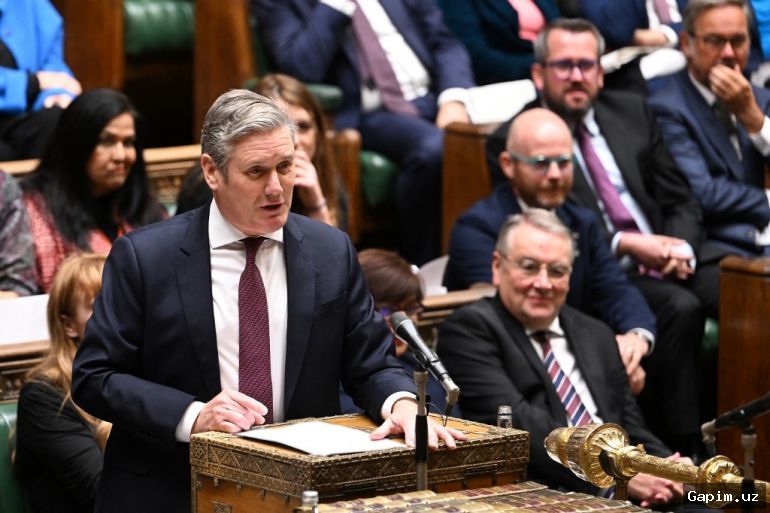
Prime Minister Keir Starmer's popularity has plummeted: a YouGov poll shows only 23% of Britons have a positive view of him, while 69% view him unfavorably. Over 90 Labour MPs have called for him to resign, and several high-profile cabinet ministers have stepped down. However, with Labour holding 403 of 650 Commons seats, a no-confidence vote is unlikely to succeed.
Potential successors include former Health Secretary Wes Streeting, former deputy leader Angela Rayner, and Greater Manchester Mayor Andy Burnham. Burnham is not currently an MP but hopes to win a by-election in Makerfield later in 2026 to enter parliament and then challenge Starmer.
Nigel Farage's Reform UK party has gained significantly, winning many council seats and attracting three Conservative defectors. Farage himself faces a parliamentary standards investigation over a £5 million donation but remains highly popular. The Green Party also strengthened, winning 376 council seats and two mayoralties.
The next key event is the Makerfield by-election, where Burnham aims to run. Reform and the Greens are also expected to contest, complicating his path. If Burnham wins, he would need support from 81 Labour MPs to trigger a leadership challenge. Meanwhile, Starmer continues as PM with a rocky road ahead, and the UK's traditional two-party system appears to be fracturing.
Source: www.dw.com