The Democratic Republic of Congo is facing a new outbreak of Ebola, one of the world's most dangerous viral infections. In the eastern province of Ituri, the number of cases continues to rise, and experts warn of the risk of the disease spreading beyond the country's borders.
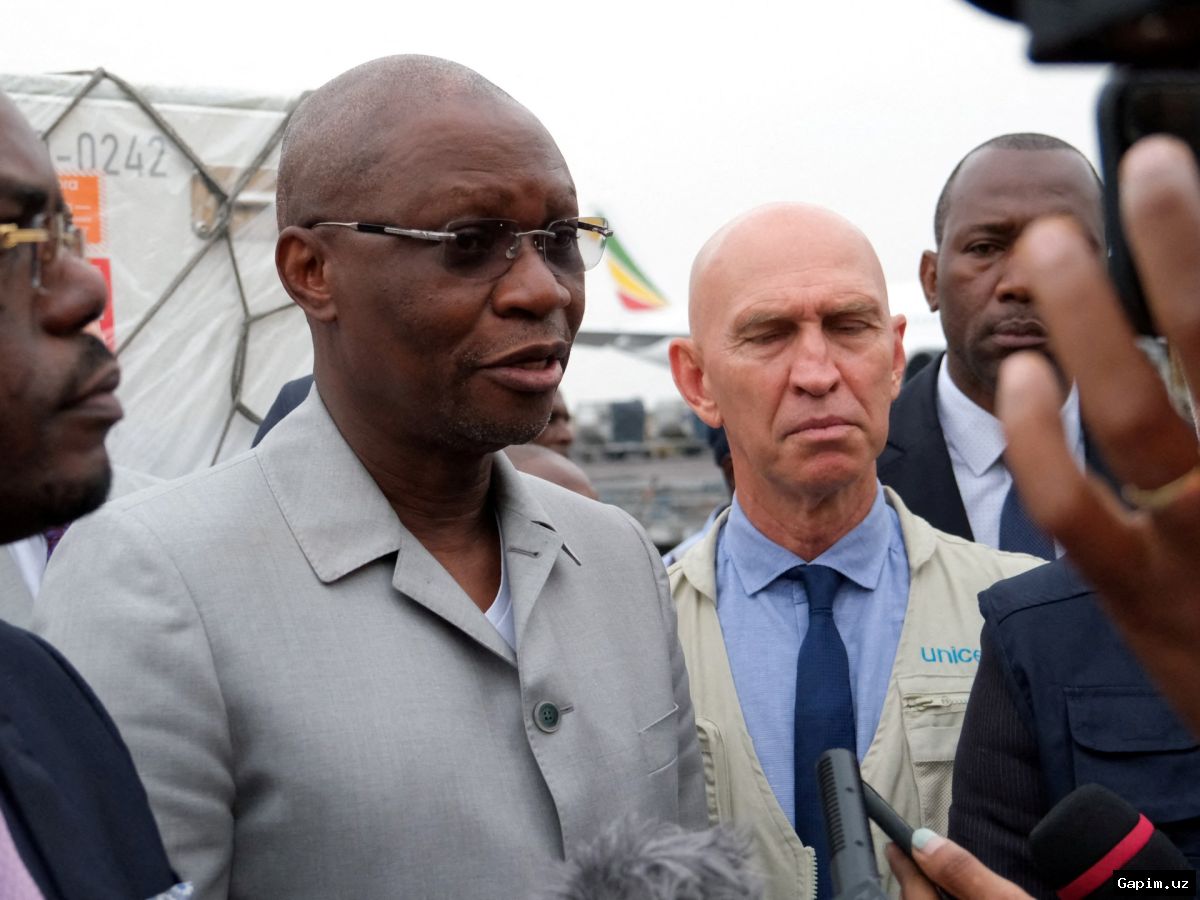
According to the latest data, 246 infections and 65 deaths have been recorded in the region. The main hotspots are the gold-mining areas of Mongwalu and Rwampara, where high population mobility complicates efforts to contain the virus.
Preliminary tests by the National Institute of Biomedical Research in Kinshasa confirmed the presence of the virus in 13 out of 20 samples studied. Scientists note that this may be an unusual strain requiring further laboratory analysis.
The situation is particularly alarming due to the infection's spread toward major populated areas. Suspected cases have already been reported in Bunia, the administrative center of Ituri. Health workers fear that active population movement could lead to the virus spreading to neighboring countries, including Uganda and South Sudan.
Additional challenges stem from the unstable security situation in the province. Since 2021, Ituri has been under military administration due to the activity of armed groups.
Today, the Africa Centres for Disease Control and Prevention, the World Health Organization, and international partners held an emergency meeting. The main topics were strengthening cross-border controls, coordinating medical responses, and preparing stocks of necessary medicines.
Ebola was first identified in 1976 in what is now the DRC. The virus is transmitted through direct contact with the bodily fluids of infected people or animals and has a high fatality rate. Initial symptoms resemble severe flu—high fever, weakness, headache, and muscle pain—but the disease can progress to a critical phase with internal bleeding and organ damage. One of the largest epidemics was the 2014 outbreak in West Africa, which killed more than 11,000 people.
Source: podrobno.uz