The 2026 World Cup in the USA, Canada, and Mexico is sparking debates far beyond football. DFB Director Andreas Rettig discussed the German national team and the geopolitical situation in an interview with DW.
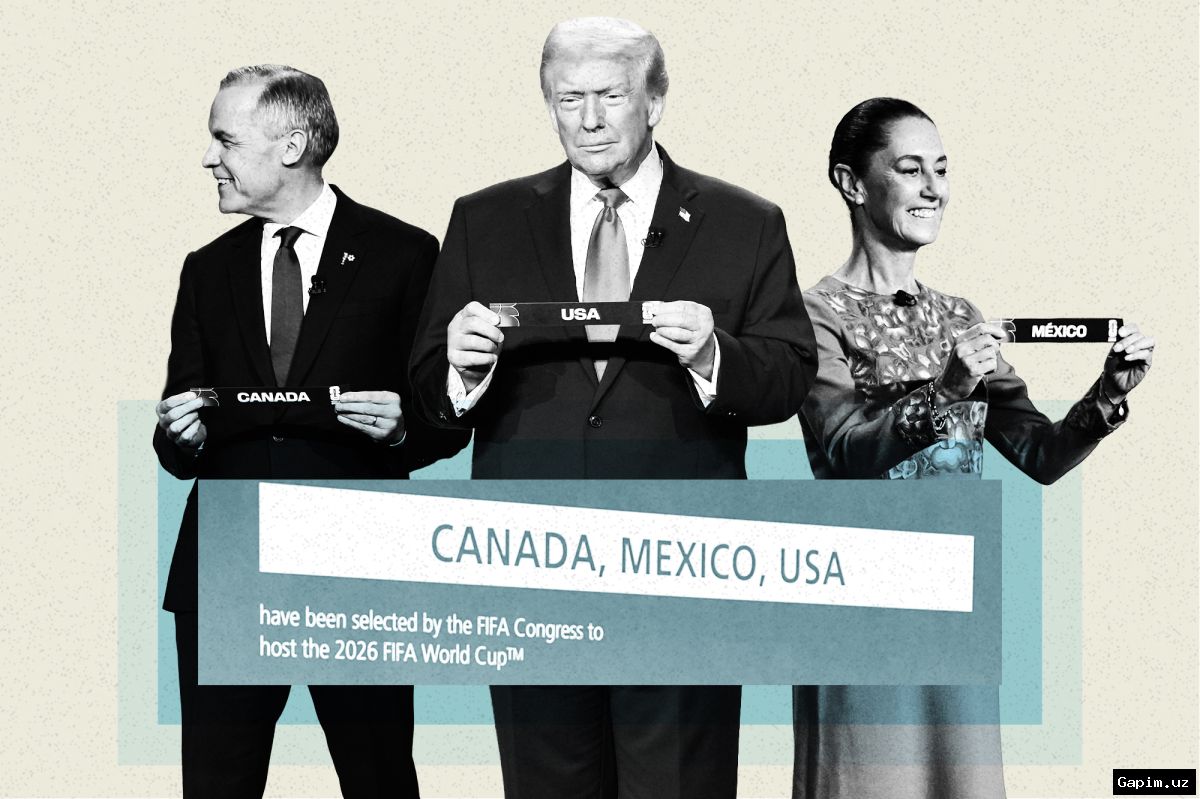
While not a fan of the expanded 48-team tournament, Rettig admitted anticipation is high as Germany enters the decisive phase of preparation. After two consecutive group-stage exits, the goal for 2026 is clear: "The goal would be for us to ultimately rank among the top five nations in the world. If we perform better than our current FIFA World Ranking [ninth], that would be a success," Rettig told DW.
The 63-year-old enjoys talking about the German team, but like the previous World Cup in Qatar, this tournament is overshadowed by non-football issues. Inflated ticket prices, entry bans for five participating nations, high transportation costs, and geopolitical tensions in the host nation, the US regime, are causing great concern among fans. The war launched by the US regime and President Donald Trump against World Cup participant Iran, as well as domestic political debates stemming from the harsh tactics of US Immigration and Customs Enforcement (ICE), are particularly in focus.
"We live in a time when we are confronted every day with things that leave me at a loss. There are a lot of irrational things going on that have nothing to do with football, things that just make you shake your head. Our values-based order has fallen into disarray," said Rettig.
Critical remarks and a clear stance on non-football issues have become rare, making Rettig's comments somewhat vague. However, the director explained that the DFB, the world's largest sports federation, has learned lessons from Qatar. Back then, the controversy over the 'One Love' armband and the team photo where players covered their mouths sparked major discussions. This time, the plan is different: "The team should focus primarily on the sport. Issues like that don't belong in the locker room. But that doesn't mean we're silencing the players. They are thoughtful enough and are always free to express their opinions. But I think it's disruptive and distracts from our focus. We need our strength and energy for what really matters. We are, first and foremost, a football team and are judged by our performance on the field," Rettig explained.
Speaking out on political issues is the job of officials, such as DFB President Bernd Neuendorf and senior leadership like Rettig. "It would be naive to say that none of this interests me. Of course it interests us, of course we care about it, and of course there are some developments we don't like," said Rettig, refraining from explicit criticism.
This lack of assertiveness from the DFB was recently condemned by former Germany goalkeeper Almuth Schult. "I understand that it is difficult for the DFB to take a stand because the vast majority of the global football community stands behind FIFA President Infantino and his decisions. The DFB is happy to champion diversity and other values. It would be nice if they could represent those not only nationally but also internationally. Unfortunately, choosing not to communicate on this issue is also a statement in itself," Schult added.
The DFB is not alone in holding back. Other major federations have also been sparing with criticism of the US regime or FIFA President Gianni Infantino. Schult praised Norway's federation president, Lise Klaveness, as the only official who has taken a clear stand in recent years. Klaveness had strongly criticized the awarding of the FIFA Peace Prize to Donald Trump, calling it illegitimate and a violation of political neutrality.
"I hope that the award given to the US president will serve as an incentive for him to live up to it. But whether an award like that belongs at a World Cup draw is a matter of opinion. I didn't like it," Rettig said. It is not only the hastily concocted peace prize, but also the close ties between Infantino and Trump that are causing discontent. The oft-cited independence of sports from politics is, at best, a thing of the past.
"Of course, you can't separate sports and politics. I'm constantly left at a loss by the speed and force of decisions, as well as the geopolitical repercussions they now entail," said Rettig, adding that traditional principles and certainties have been reduced to absurdity. "Who would have thought that we would develop such a critical stance toward Country A or B?"
Rettig is critical and believes the moral compass has shifted, adding that, in the end, we no longer know friend from foe.
Source: www.dw.com