Last week, online weapons spotters identified a Chinese-made laser system at Dubai airport in the United Arab Emirates. The vehicle-mounted system is designed to shoot down drones.
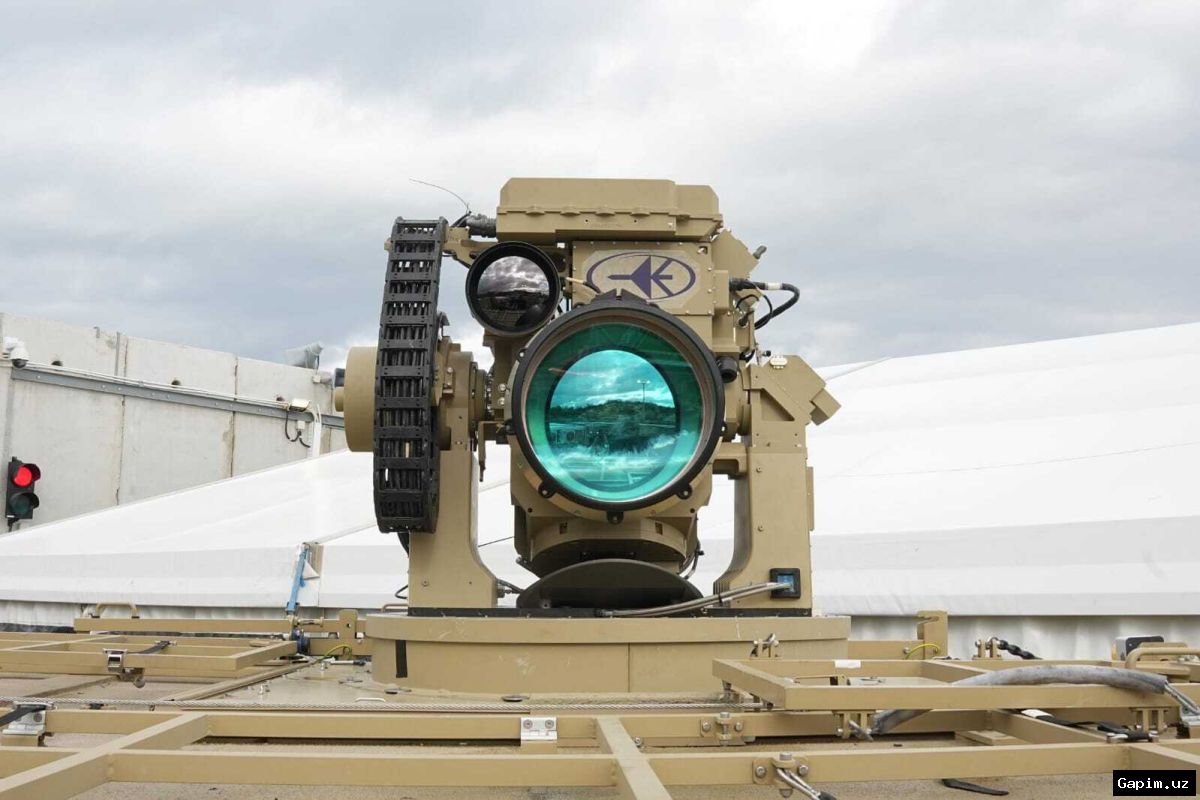
The UAE already possesses an Israeli-made laser system called Iron Beam, reportedly loaned by Israel. Reports also indicate the UAE is trying to purchase an American-made laser weapon and has signed agreements with European and US companies to co-develop its own laser weaponry.
In late 2025, a transport company inadvertently revealed Oman as another buyer of Chinese laser weapons by posting pictures of military equipment. Following an Israeli attack on its capital in September, Qatar is reportedly exploring the acquisition of elements of Turkey's Steel Dome air defense system, which includes laser weapons.
Saudi Arabia's military has been testing Chinese laser systems, with some observers suggesting the Saudis have purchased up to eight Silent Hunter units and may also seek US-made laser weapons.
According to Jared Keller, a former defense reporter who runs the Laser Wars newsletter, the Iran war is bringing laser weapons closer to real-world use. He notes that global laser weapons development accelerated at an unprecedented pace in April and May.
Keller cites several converging factors: technological maturity, the proliferation of drones in combat, and the Iran war. Shooting down cheap drones with expensive missiles is economically unsustainable, whereas each laser shot costs only $3 to $5.
However, lasers are not a "silver bullet." Their beams travel in straight lines, have limited range (e.g., Israel's Iron Beam covers 10 km), and require dwell time on target. Humidity, rain, fog, dust, and high temperatures can degrade performance.
Israel's Iron Beam has not been fully deployed in the Iran war. While it has shot down Hezbollah drones, the Israeli air force reportedly says it needs at least 14 more batteries to be effective.
Andreas Krieg of King's College London argues that Gulf states are diversifying their laser weapons sources to reduce overreliance on the US. They aim to increase self-sufficiency in the mid- to long-term, complementing diplomacy with a robust air defense umbrella.
Source: www.dw.com