At least 80 deaths have been reported in the Democratic Republic of the Congo's (DRC) new Ebola outbreak, authorities said, as health workers race to intensify screening and contact tracing. Nearly 250 suspected cases of the highly contagious hemorrhagic fever have been recorded in eastern DRC, with one death also reported in neighboring Uganda, raising concerns of regional spread.
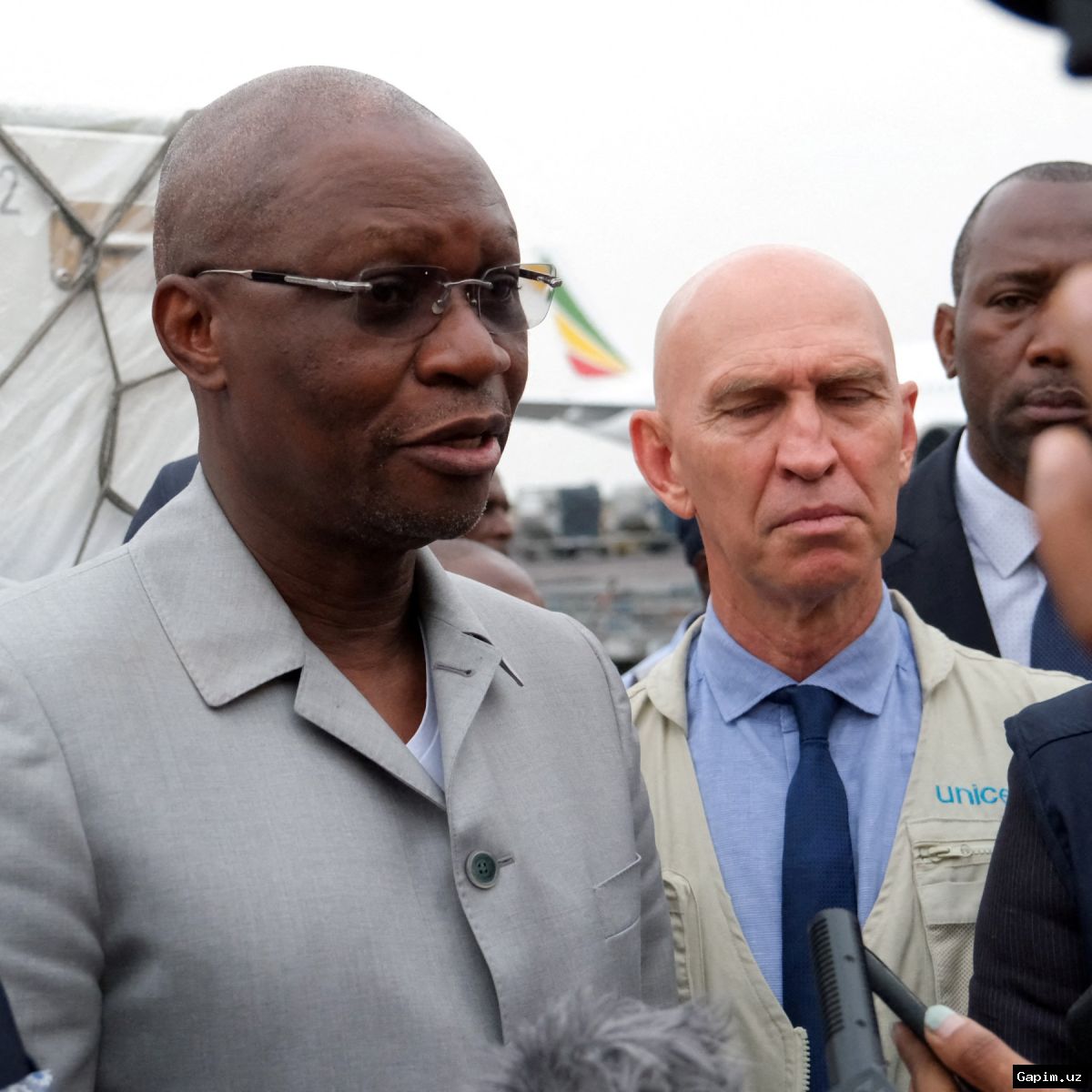
"The Bundibugyo strain has no vaccine, no specific treatment," DRC Health Minister Samuel-Roger Kamba said on Saturday. "This strain has a very high lethality rate, which can reach 50 percent."
The outbreak, the country's seventeenth, was confirmed on Friday in the northeastern province of Ituri, bordering Uganda and South Sudan. Suspected patient zero was a nurse who reported to a health facility in the provincial capital, Bunia, on April 24 with Ebola-like symptoms.
The disease has been confirmed in three health zones in Ituri: Bunia, Rwampara, and Mongwalu. Only 13 blood samples have been tested; eight tested positive for the Bundibugyo strain, while five could not be analyzed due to insufficient volume.
The Africa Centres for Disease Control and Prevention (Africa CDC) has raised concerns about rapid spread due to high population density in Ituri towns and proximity to Uganda and South Sudan. High cross-border travel and logistical challenges further complicate containment efforts.
Medical aid groups, including Doctors Without Borders (MSF) and the International Federation of Red Cross and Red Crescent Societies (IFRC), are responding. Trish Newport, MSF emergency program manager, said: "The number of cases and deaths we are seeing in such a short timeframe, combined with the spread across several health zones and now across the border, is extremely concerning."
IFRC Secretary-General Jagan Chapagain stated: "The evolving epidemiological situation, and the risk of cross-border spread, underscore the need for timely, coordinated and sustained action. Engaging with communities and building trust is essential to ensure people seek care early and help stop the epidemic in its tracks."
Ebola was first identified in 1976. Three strains cause most outbreaks in Africa, but a vaccine exists only for the Zaire strain. Without treatment, up to 90 percent of cases can be fatal. The Bundibugyo strain, responsible for the current outbreak, was not identified until 2006. Tens of thousands have contracted Ebola in Africa over 50 years, with about 15,000 deaths.
Source: www.aljazeera.com