The Eurovision Song Contest final, the world's biggest live music event, took place in Vienna on Saturday night, again marred by protests and a boycott over Israel's involvement.
Five countries — Spain, Ireland, the Netherlands, Iceland and Slovenia — pulled out of the 70th edition in protest. Spanish Prime Minister Pedro Sanchez wrote on X: "We will not be in Vienna, but we do so with the conviction that we are on the right side of history."
The contest, typically a glitzy pop extravaganza, has been overshadowed in recent years by the dispute over Israel's military offensive in Gaza. The war, a response to the Hamas-led attack on October 7, 2023, killed around 1,200 people in Israel and over 70,000 Palestinians in Gaza.
The boycott reduced this year's entries to just 35, the fewest since 2003, with only 25 acts performing in the final. Television viewership is expected to drop from last year's 166 million.
Israel condemned the boycott, claiming it is the target of a global smear campaign. Eurovision director Martin Green said before the final: "We're going through some challenging times at the moment."
The overwhelming favorites are Finland's duo of violinist Linda Lampenius and singer Pete Parkkonen with their song "Liekinheitin" (Flamethrower). Australia's Delta Goodrem is also a strong contender with "Eclipse."
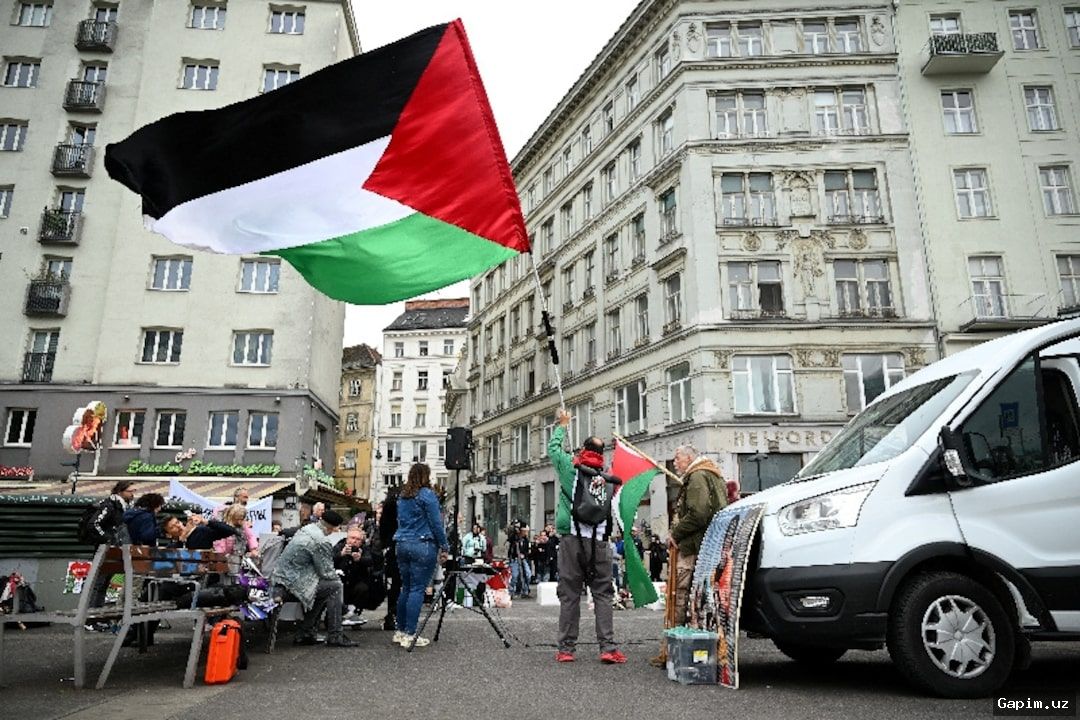
Hours before the final, hundreds marched through Vienna chanting "Free, free Palestine" and "boycott Eurovision" under heavy police presence. Palestinian Ambassador Salah Abdel Shafi called Israel's inclusion "an insult to art, to culture, to music and to humanity."
Source: www.dw.com