The Ebola virus is highly contagious and deadly. In May 2026, a new outbreak was reported in the Democratic Republic of the Congo (DRC) and Uganda.
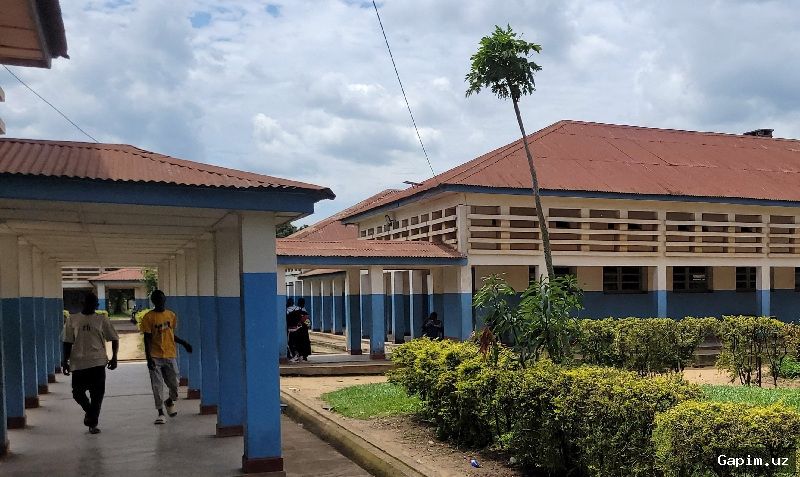
The World Health Organization (WHO) declared a Public Health Emergency of International Concern on May 17, 2026, following reports of an outbreak of Ebola caused by the Bundibugyo virus in the DRC and Uganda. However, the WHO stated that the outbreak did "not meet the criteria of a pandemic emergency."
This comes just after the hantavirus outbreak on the MV Hondius and — perhaps poignantly — as the WHO meets for its 79th General Assembly (May 18-23, 2026).
Ebola remains an ongoing challenge for people and authorities in affected regions. Vaccine development could help lessen the burden.
Most often, Ebola outbreaks have been caused by the Zaire type of the Ebola virus (Zaire ebolavirus) and the Sudan type (Sudan ebolavirus). During recent outbreaks with high numbers of infections, researchers have used these live situations to test vaccines in development.
The largest Ebola outbreak came four decades after the disease was originally identified. Between 2014 and 2016, Ebola spread from the DRC to Liberia, Guinea, and Sierra Leone, with more than 28,600 infections and 10,000 deaths.
From 2018 to 2020, Ebola spread again from the DRC to Uganda. Further outbreaks in Gabon, South Africa, Ivory Coast, Nigeria, Mali, and Senegal killed at least 2,000 people.
Ebola was discovered near the Ebola River during two simultaneous outbreaks in 1976. Ebola virus disease (EVD) is the deadliest form, with a survival rate of 10%. Sudan virus disease (SVD) causes death in about 50% of cases.
Symptoms are similar: fever, nausea, weakness, loss of appetite, and unexplained bleeding. If caught early, hospital treatment with oral and intravenous fluids and medicines can reduce the risk of fatality.
The Ervebo vaccine has been approved for use in the US and European Union. It is a live-attenuated vaccine containing a weakened protein from EVD, which triggers an immune response without causing full infection.
In February 2025, the International AIDS Vaccine Initiative, Uganda's Health Ministry, Makerere University in Kampala, and the WHO launched a trial for a candidate vaccine against SVD. It was the first trial conducted during a live outbreak — Uganda's sixth outbreak of the Sudan type of the virus.
Source: www.dw.com