At least four people were killed and more than 30 injured during protests that erupted across Kenya on Monday, as a crippling public transport strike fueled anger over a sharp rise in fuel prices linked to the Iran war and disruptions through the Strait of Hormuz.
Interior Minister Kipchumba Murkomen said in a televised briefing that the violence claimed four lives and injured over 30. The protests came after Kenya's energy regulator raised retail fuel prices by 23.5%, following a 24.2% hike last month.
Kenya is among many African countries dependent on fuel imports from the Gulf, which have been disrupted by the continued closure of the Strait of Hormuz. Iran has mostly shuttered the critical waterway since US-Israeli attacks triggered the war on February 28.
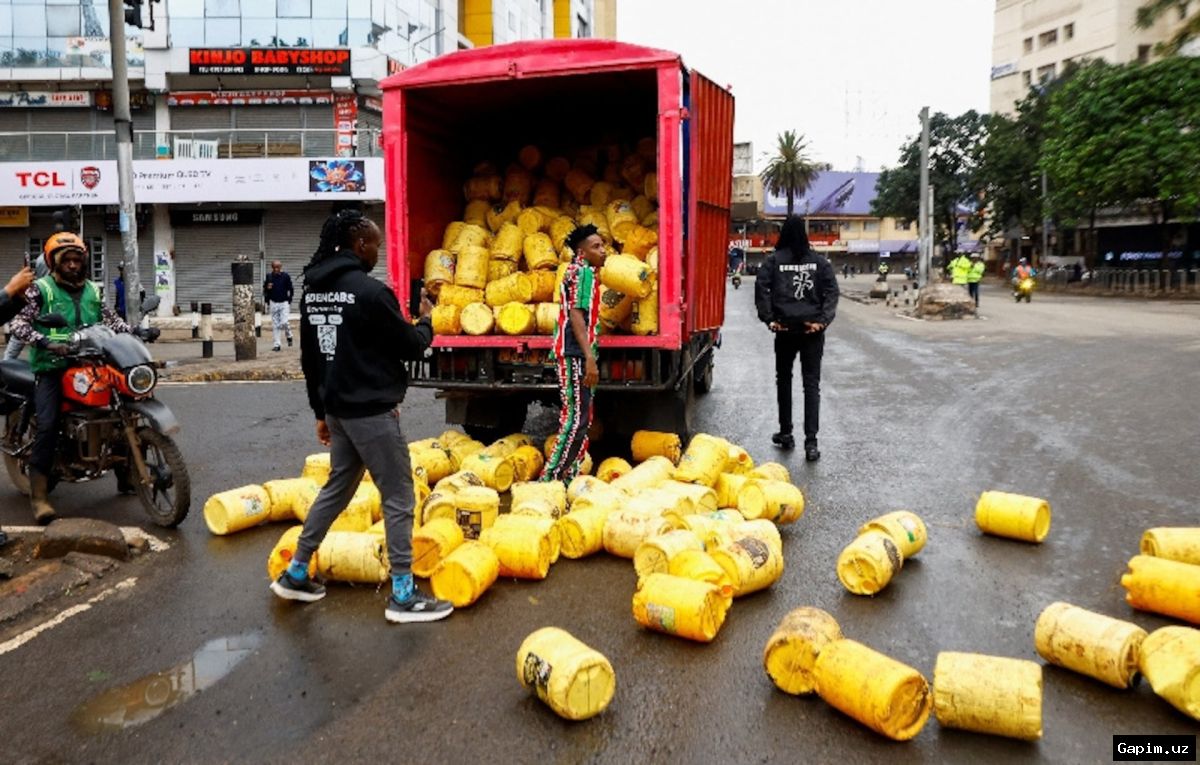
Commuters were stranded across the capital, Nairobi, as striking transport operators and protesters blocked roads. Police fired tear gas in some areas as protesters lit tires. Schools closed and events were canceled. The protests spread to other major towns, including Mombasa, Nakuru, Eldoret and Nyeri.
Treasury Minister John Mbadi acknowledged the price hike but called the strike "completely uncalled for," stating, "This is a war that we have not caused." Critics argue authorities could reduce high fuel taxes, but Nairobi relies on those taxes to service high levels of debt.
Almost all of Kenya's fuel products are imported from the Middle East via government-to-government deals. The price increase has led to a sharp rise in transport fares and basic goods, deepening pressure on struggling households. Around a third of Kenya's 50 million citizens live in poverty. The energy regulator said the government spent $38.5 million to cushion consumers from soaring diesel and kerosene prices.
Source: www.dw.com