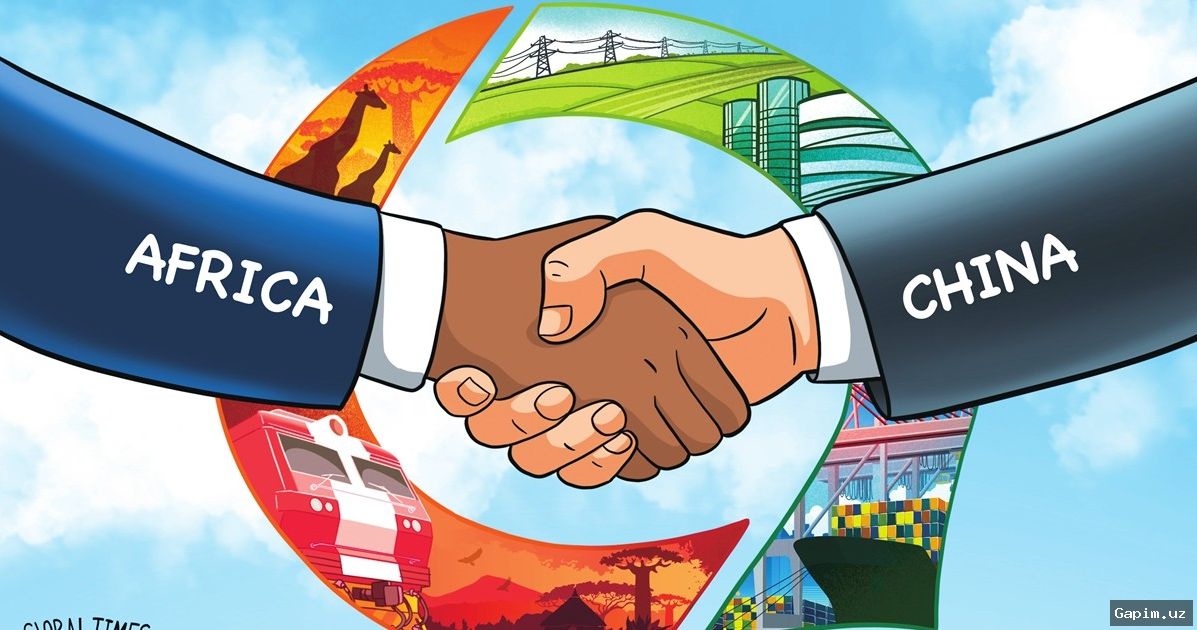
China has implemented a zero-tariff regime for 53 African countries effective May 1, calling it a 'golden key to prosperity.' However, analysts warn the reality for African economies is more complex, with benefits unevenly distributed.
The first shipments of avocados from Kenya arrived in China under the new rule. Kenyan coffee farmer Olive Gichuri told DW: 'China introducing the zero tariff is very encouraging. It means better earnings for farmers.' She added that farmers are no longer limited to local markets.
Lauren Johnston, a senior research fellow at the AustChina Institute in Melbourne, described the policy as 'a gift mainly to Africa's stronger economies.' In 2025, China-Africa trade hit a record $348 billion, with China remaining Africa's largest trading partner for 16 consecutive years.
Africa exported $123 billion worth of goods to China (mostly oil, minerals, and raw materials) and imported $225 billion (manufactured goods, electronics, vehicles). The trade deficit soared to a record $102 billion in 2025, up from $62 billion the previous year.
Economist Adu Owusu Sarkodie from the University of Ghana stated: 'The export price is low because we do not add value. The best way is to add value to earn higher income.' The deficit increase is partly due to China's supply chain diversification amid its trade dispute with the US and Africa's growing demand for green technologies.
Kenya is among the clearest beneficiaries, with China granting 98.2% zero-duty market access. Farmer Frederik Gathuma said: 'Given China's population and consumption, we will be able to do more business in coffee.' However, Kenya imported $4.31 billion from China in 2024, while its exports are much smaller.
South Africa benefits from tariff-free access for rooibos tea and minerals. Ghana reached a record $14.1 billion in trade with China, but economists urge investment in cocoa processing. Landlocked Mali and Niger face high logistics costs that offset tariff savings.
Erick Rutto, president of the Kenya National Chamber of Commerce, said: 'We are training exporters to comply with China Customs standards.' Analysts stress the need for investment in phytosanitary certification. Most shipping between Africa and China still goes through Dubai or Singapore, reducing tariff benefits.
Johnston believes the zero-tariff policy could boost intra-African trade. Africa's richest man, Aliko Dangote, argued that China's success stems from long-term financing, not zero tariffs: 'If Italy asks for full payment for a power plant and China offers 20% down with five-year financing, you choose China.'
For Kenya, South Africa, and Ghana, the policy is a real opportunity. But for most of Africa's 53 countries, it is less a golden key and more a door that was already difficult to open. Johnston concluded: 'African countries want to replicate China's growth story. They need to figure out how to industrialize from this process.'
Source: www.dw.com