US President Donald Trump has said he plans to speak with Taiwanese leader Lai Ching-te about a possible arms sale, in what would be a sharp departure from diplomatic tradition. US and Taiwanese leaders have not spoken directly since 1979, when Washington severed formal ties with Taiwan to recognize the Chinese government in Beijing.
China claims Taiwan as its territory and has not ruled out taking it by force. The US has long supported the self-ruled island and is bound by law to provide it with a means of self-defense, but has balanced this with maintaining diplomatic relations with China. As president-elect in 2016, Trump took a phone call from Taiwan's then-leader Tsai Ing-wen, angering Beijing.
President Lai, who took office in 2024, is behind one of the strongest pushes in years to strengthen the island's defense. When asked on Wednesday if he planned to speak to Lai ahead of making a decision on US arms sales, Trump said: "I'll speak to him. I speak to everybody.. we'll work on that, the Taiwan problem." He also hailed his relationship with China's President Xi as "amazing".
When asked about the potential conversation between Trump and Lai, a Chinese foreign ministry spokesperson said on Thursday that China "firmly opposes official exchanges between the United States and Taiwan", as well as US arms sales to Taiwan. China urges the US to "stop sending wrong signals to the separatist forces in Taiwan," the spokesperson said.
In 1979, the US passed the Taiwan Relations Act which states that the US can "provide Taiwan with arms of a defensive character" - which is why it continues to sell weapons to Taiwan. Trump has said he has yet to decide if the sale of a $14bn arms package to Taiwan, reportedly including anti-drone equipment and air-defense missile systems, will go ahead.
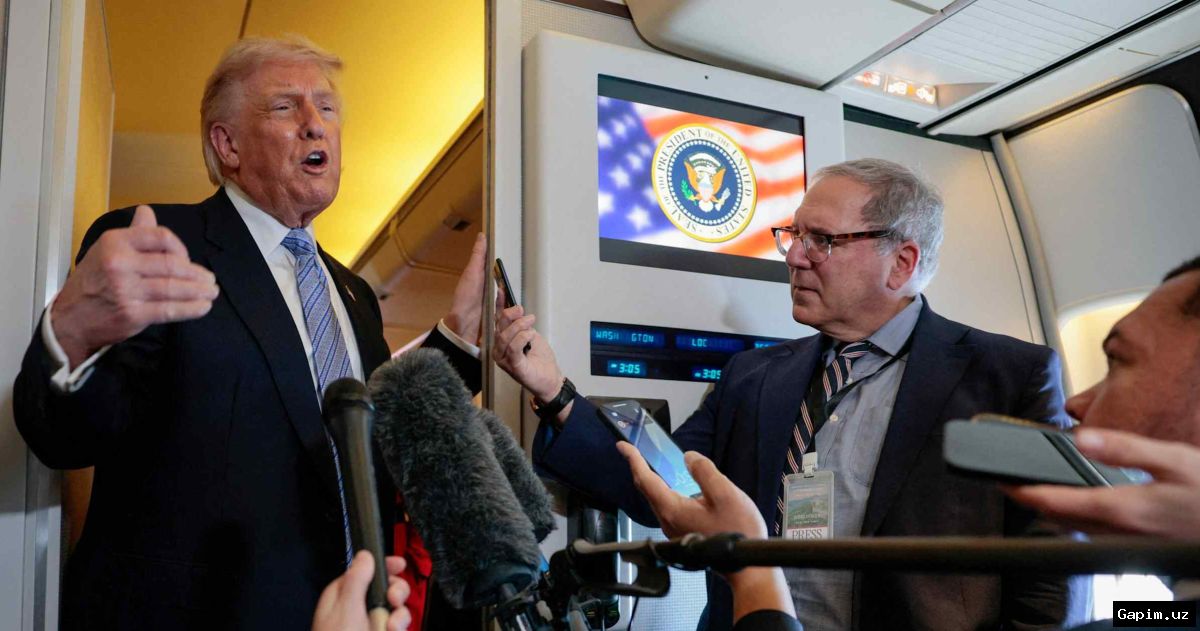
According to a report by the Financial Times, Beijing is currently holding up a proposed visit by the Pentagon's top policy official, Elbridge Colby - saying it cannot approve a visit until Trump decides how he will proceed with the arms deal. Last week, while flying back from Beijing on Air Force One after his meeting with President Xi, Trump was similarly asked about weapons sales to Taiwan, to which he said he would "make a determination over the next fairly short period".
During Trump's visit to Beijing, China had made it clear that Taiwan was one of the biggest issues in its relationship with the US, with Xi warning of "conflict" between the two superpowers if handled poorly. And while Trump dismissed the potential for conflict between the US and China over the island, he said Xi felt "very strongly" about Taiwan. "I made no commitment either way," he told reporters aboard Air Force One last week.
Since the Trump-Xi meeting, Lai has issued statements saying that the island is a "sovereign, independent democratic country" and that peace in the Taiwan Strait will not be "sacrificed or traded away". Lai has also emphasized that US arms sales were a "key factor in maintaining regional peace and stability". Taiwan's foreign ministry said on Thursday that Lai would be "happy" to discuss with Trump issues related to "maintaining the stable status quo in the Taiwan Strait".
Trump's break with tradition in 2016 resulted with China lodging a complaint with the US over the call. Trump also said he had discussed the arms sales "in great detail" with Xi - another surprising break from US policy if true. In 1982 the US assured Taiwan that it would not consult Beijing on arms sales to Taiwan. But when asked about that commitment as he flew back from Beijing, Trump said the 1980s was a "long way".
Last December, the US approved an $11bn arms sale to Taiwan - one of the largest ever - which drew ire from Beijing. Taiwan has under President Lai significantly ramped up its defense spending to counter growing military pressure from China. Many Taiwanese consider themselves to be part of a separate nation - though most are in favor of maintaining the status quo in which Taiwan neither declares independence from China nor unites with it.
Source: www.bbc.com