In a week marked by contradictory statements, US President Donald Trump has oscillated between expressing hope for a lasting ceasefire with Iran and threatening renewed military strikes. On Sunday, he warned that the 'clock is ticking' for Tehran, but by Monday, he claimed attacks were 'on hold' at the request of Qatar, Saudi Arabia, and the UAE.
On Tuesday, Trump told reporters he was 'an hour away from making the decision' to resume attacks but agreed to give Iran a few days to return to negotiations. By Wednesday, he said, 'Either have a deal, or we’re going to do some things that are a little bit nasty.' On Thursday, he reposted a New York Post op-ed advocating a three-step plan to 'crush Tehran,' including a blockade and military action in the Strait of Hormuz.
The mixed messaging comes amid reports of a tense phone call between Trump and Israeli Prime Minister Benjamin Netanyahu, who allegedly pushed for renewed strikes while Trump resisted. Trump later claimed Netanyahu 'will do whatever I want him to do.'
The US and Israel launched attacks on Iran on February 28, with a ceasefire taking effect on April 8. However, Trump's unpredictability has confused Tehran. According to Sina Azodi, a professor at George Washington University, Iranian officials 'can’t really decide whether the US actually wants to deal or it wants war.'
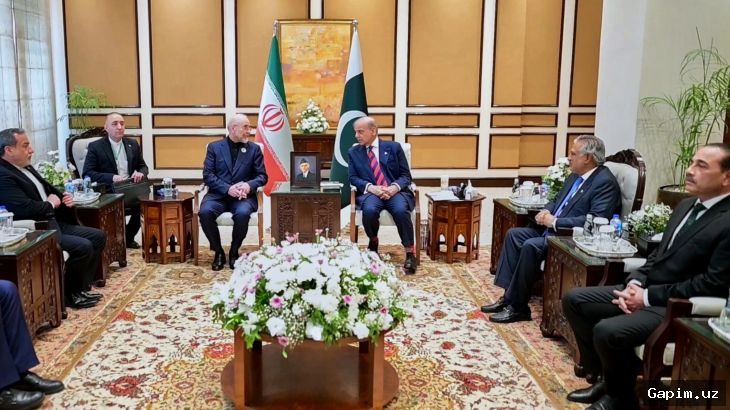
Iran has submitted a 14-point peace plan, but the Trump administration continues to demand the handover of enriched uranium and free navigation through the Strait of Hormuz. Analysts warn that the stalemate risks economic fallout for the US and undermines Trump's approval ratings, while Tehran gains leverage through its control of the strategic waterway.
Source: www.aljazeera.com