Saudi Arabia is proceeding with the annual Hajj pilgrimage this year for the first time while being directly targeted in a war. The country has faced missile and drone attacks amid the conflict between Iran and the US-Israeli coalition, which began in late February.
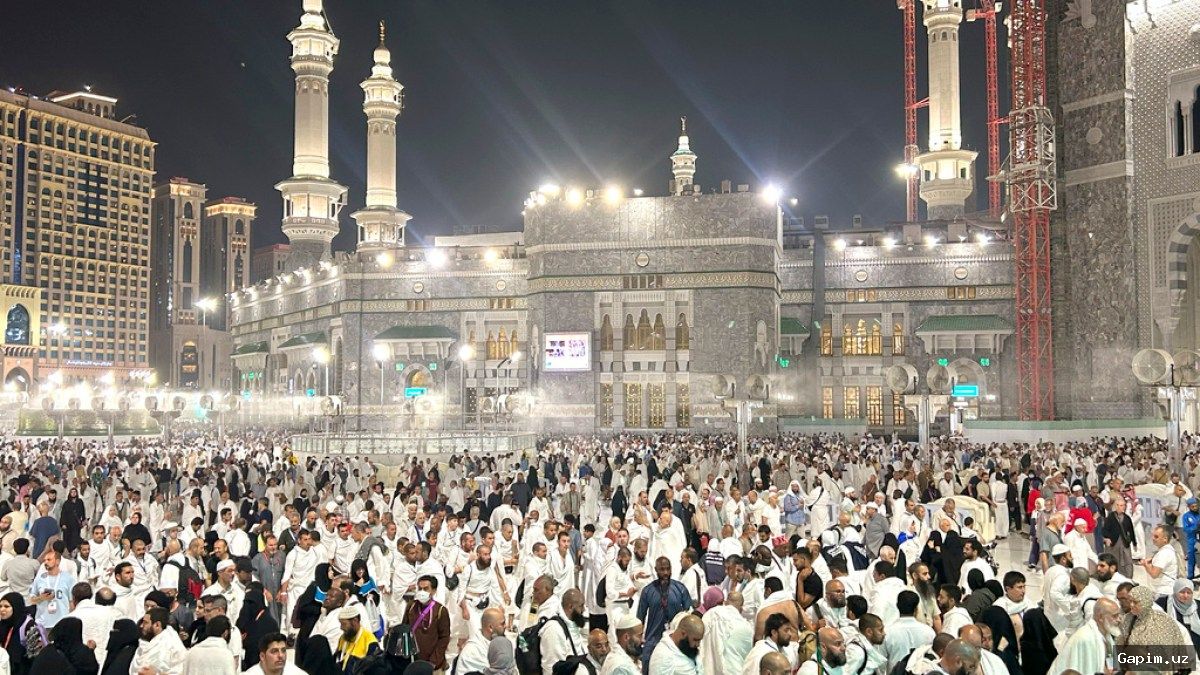
The Hajj, one of the world's largest human gatherings, runs from May 25 to 29, with an estimated 1.5 million pilgrims expected. Over the past three years, attendance ranged from 1.7 to 1.8 million. Historians note that the Hajj has been canceled or restricted only about 40 times in 14 centuries, most recently during the COVID-19 pandemic in 2020.
The war has complicated logistics. Iran has struck Gulf states and Israel in response to US and Israeli attacks. A ceasefire is in effect but remains fragile. Last weekend, Saudi Arabia intercepted three drones allegedly launched by pro-Iran militias in Iraq.
The US regime has for the first time urged its citizens to reconsider participating, noting that non-emergency US government employees were ordered to leave Saudi Arabia in early March. Germany, the UK, and other European nations have issued travel warnings, strongly advising against travel to Saudi Arabia during the conflict.
Despite these warnings, pilgrims appear undeterred. A spokesperson for Germany's Central Council of Muslims stated, 'They are motivated by fulfilling a religious duty. For them, this is much more than a normal trip. Since planning takes over a year and involves considerable financial commitment, the hurdle to canceling is very high.' The council reported no cancellations from Germany due to the war.
Major pilgrim-sending countries initially hesitated. Indonesia, sending 221,000 pilgrims, advised delaying departure in March but later gave the go-ahead and prepared emergency evacuation plans. Other Muslim-majority countries have similarly proceeded with travel arrangements.
Experts deem it highly unlikely that Iran would deliberately target the Hajj, as the sites are sacred to all Muslims. However, risks of accidents or mistakes remain. Saudi Arabia has deployed Patriot missile batteries around holy sites and touted its layered air defense system, including anti-drone lasers.
Analysts at the House of Saud outlet warn that debris from intercepted missiles could scatter over areas containing pilgrims. They also highlight the risk of a nuclear accident at Iran's Bushehr reactor, which could spread radioactive fallout toward Saudi Arabia and its millions of visitors.
The conflict has also increased costs. Jet fuel prices have risen, and some airlines have canceled routes. The Indian government passed on a $100 price increase per pilgrim. Currency fluctuations and inflation have strained budgets. Travel insurance packages often exclude war coverage, forcing pilgrims to bear additional costs.
Source: www.dw.com