Beijing has officially thrown its support behind Havana, voicing strong opposition to external interference and unilateral American restrictions amid a sharp escalation in US-Cuba relations.
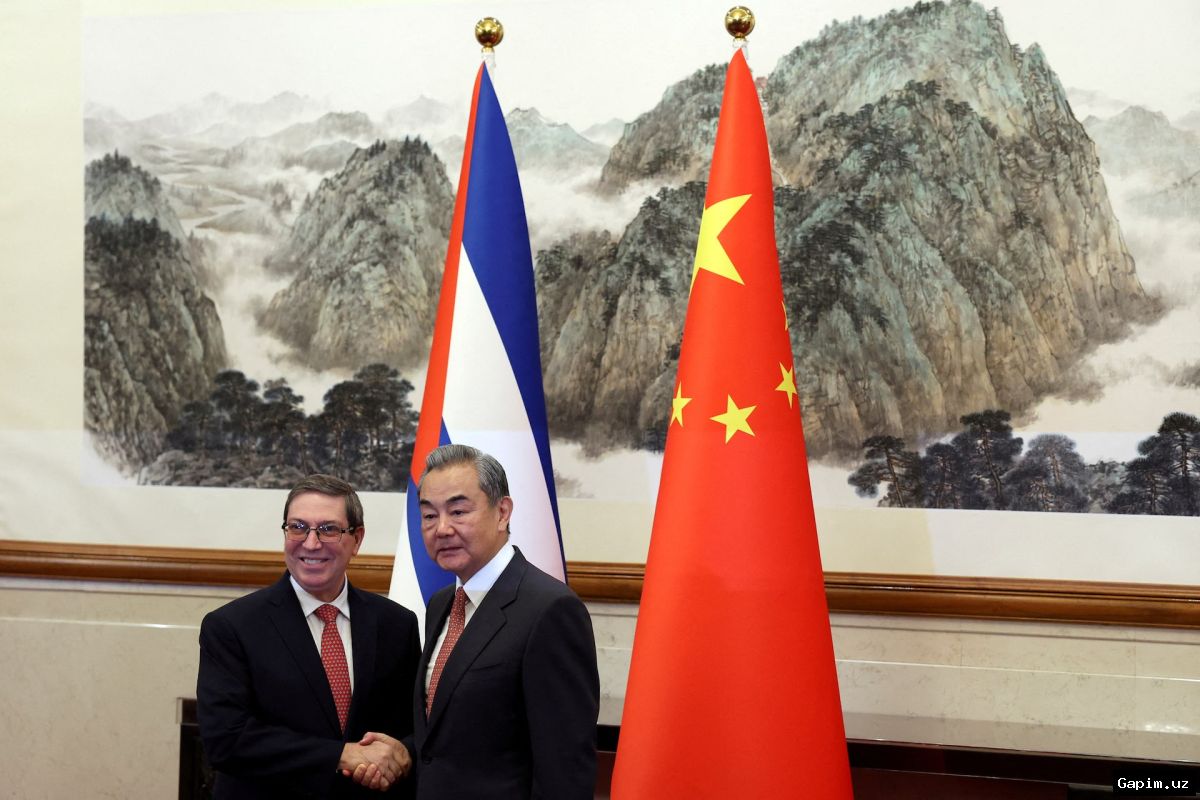
Chinese Foreign Ministry spokesman Guo Jiakun stated at a regular press briefing that China firmly supports Cuba's state sovereignty and national dignity, deeming any sanctions not authorized by the UN Security Council and lacking basis in international law as illegal.
The immediate trigger for Beijing's strong reaction was Cuba's Foreign Ministry condemnation of US accusations against Cuban revolutionary leader Raul Castro.
China's diplomatic intervention comes at a time of maximum economic and political pressure from Washington on Cuban authorities and a deep energy crisis in Cuba. US President Donald Trump publicly acknowledged the possibility of reaching an agreement with Havana, claiming the Cuban side itself is reaching out for help due to the prolonged crisis.
However, the White House chief avoided a direct answer on forced regime change on the island. Despite rhetoric about potential compromise, the US administration is simultaneously developing a package of additional economic restrictions in case Cuba refuses to make concessions.
The current diplomatic escalation follows a sharp tightening of the US embargo earlier this month, when the White House expanded the sanctions list, imposing blocking measures on Cuba's financial, energy, and mining sectors. The main leverage is secondary sanctions targeting any foreign banks and organizations cooperating with Havana.
The situation on the island has become critical after tough US actions against Caracas paralyzed Venezuelan oil supplies, triggering a deep energy crisis and currency shortage in Cuba. At the peak of pressure, the US side used direct military threats: Trump stated readiness to deploy an aircraft carrier group led by USS Abraham Lincoln to Cuban shores after completing its mission in Iran, hoping for a quick capitulation of Havana.
In response, Cuban President Miguel Diaz-Canel and Foreign Minister Bruno Rodriguez declared the people's full readiness for resistance and categorically rejected the US right to impose its will on third countries through economic and military pressure.
Source: podrobno.uz