Foreign ministers from the United States, India, Japan, and Australia — the four nations comprising the Quadrilateral Security Dialogue (Quad) — are gathering in New Delhi for a three-day meeting to discuss Indo-Pacific security, energy supplies, and emerging technologies.
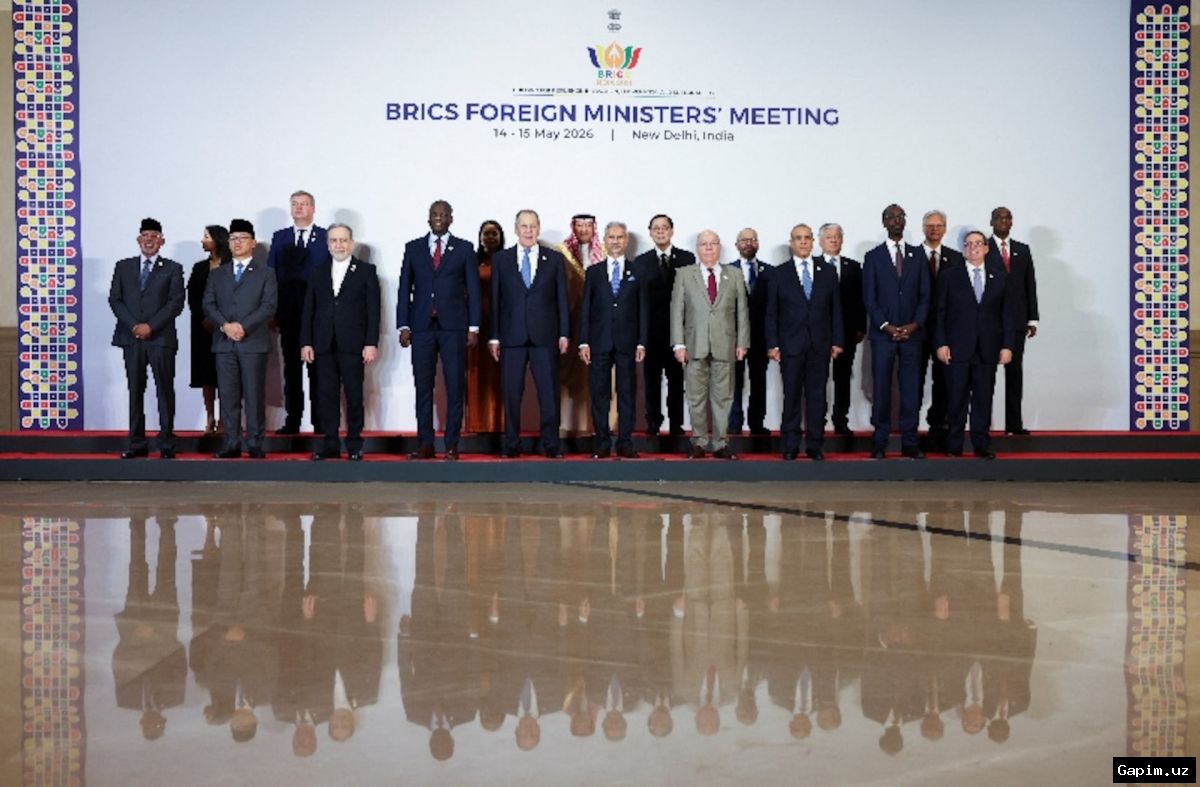
The meeting comes as China continues to test geopolitical boundaries in the region. However, an unspoken issue dominates the agenda: how to keep the alliance relevant amid internal tensions and an increasingly assertive Beijing.
The Quad has not held a leaders' summit since 2024. India was supposed to host the next annual meeting in 2025, but it never materialized due to strains between the Trump administration and New Delhi. President Donald Trump imposed tariffs on Indian imports and claimed to have mediated border clashes between India and Pakistan, further antagonizing Prime Minister Narendra Modi.
US Secretary of State Marco Rubio, leading the delegation to India, is tasked with mending diplomatic fences. Analysts say Trump's focus on the Middle East and Cuba makes Rubio's mission challenging.
James Brown, a professor at Temple University's Tokyo campus, noted that the US administration allegedly fails to appreciate India's role in the Quad, alienating Modi. Japan and Australia have been working to keep the alliance intact.
Derek Grossman of the University of Southern California warned that if Trump skips the next leaders' meeting, likely in Australia in 2026, the Quad could become geopolitically insignificant or even dissolve, benefiting China.
Joseph Kristanto, a maritime security analyst at Singapore's S. Rajaratnam School of International Studies, said a weakened Quad would reinforce narratives of declining US commitment and allied disunity. However, he downplayed suggestions of an imminent collapse, noting the Quad's informal structure provides resilience.
The Quad, initiated in 2007, is not a treaty alliance with binding commitments, which allows flexibility. Yet experts stress the need to repair US-India ties for the alliance to endure.
Kristanto identified strategic drift as the greatest risk, with fewer summits and reduced momentum. If Washington's focus shifts, discussions on expanding the Quad to include South Korea, New Zealand, or Vietnam could revive.
Source: www.dw.com