US President Donald Trump reiterated on Thursday that Washington will not allow Iran to retain its stockpile of highly enriched uranium. Speaking to reporters at the White House, Trump stated: "We will get it. We don't need it, we don't want it. We'll probably destroy it after we get it, but we're not going to let them have it."
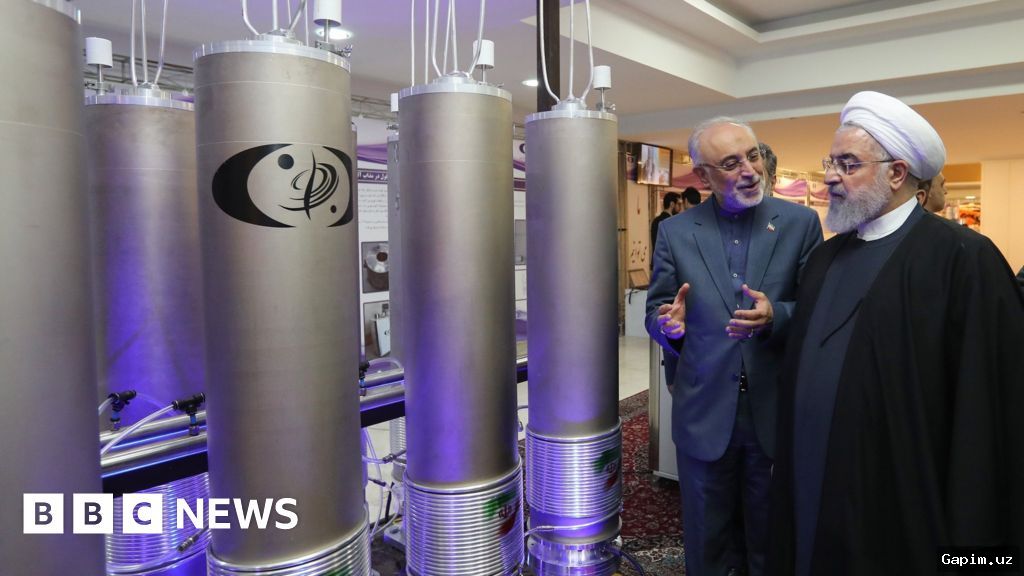
However, according to Reuters citing two unnamed senior Iranian sources, Iran's Supreme Leader Ayatollah Mojtaba Khamenei has issued a directive prohibiting the removal of enriched uranium from the country. "The Supreme Leader's directive, and the consensus within the establishment, is that the stockpile of enriched uranium should not leave the country," one source said.
The fate of approximately 440 kg of uranium enriched to 60% remains a major sticking point in US-Iran peace negotiations. While 60% enrichment is below the 90% threshold for weapons-grade material, nuclear experts note that reaching 90% from 60% is significantly faster.
Tehran has long maintained that its nuclear program is for civilian purposes only. In 2015, Iran signed the JCPOA with the US, limiting its nuclear activities in exchange for sanctions relief. However, Trump withdrew from the deal in 2018 and reimposed sanctions, despite IAEA verification of Iran's compliance.
Following the US withdrawal and the 2021 bombing of Iran's Natanz facility—blamed on Israel—Iran began enriching uranium from 3.67% to nearly 60%. IAEA chief Rafael Grossi stated that if enriched to 90%, the stockpile could produce over 10 nuclear warheads.
Most of Iran's enriched uranium is believed to be stored underground beneath the rubble of facilities bombed by the US and Israel during last year's 12-day war. Israeli Prime Minister Benjamin Netanyahu has insisted that the war will not be considered over until the uranium is removed.
The US demands the stockpile be handed over to it, but Iran was reportedly willing to consider only a third-party transfer. Now, Khamenei's directive bans any removal. Iranian Foreign Minister Abbas Araghchi said the issue has reached a "deadlock" and has been postponed to later negotiation stages.
Uranium hexafluoride gas is highly dangerous, forming toxic and corrosive compounds if released. The IAEA mandates specialized 30B containers for transport. Historical precedents include the 1994 "Project Sapphire" covert operation, where the US removed 600 kg of weapons-grade uranium from Kazakhstan.
Source: www.aljazeera.com