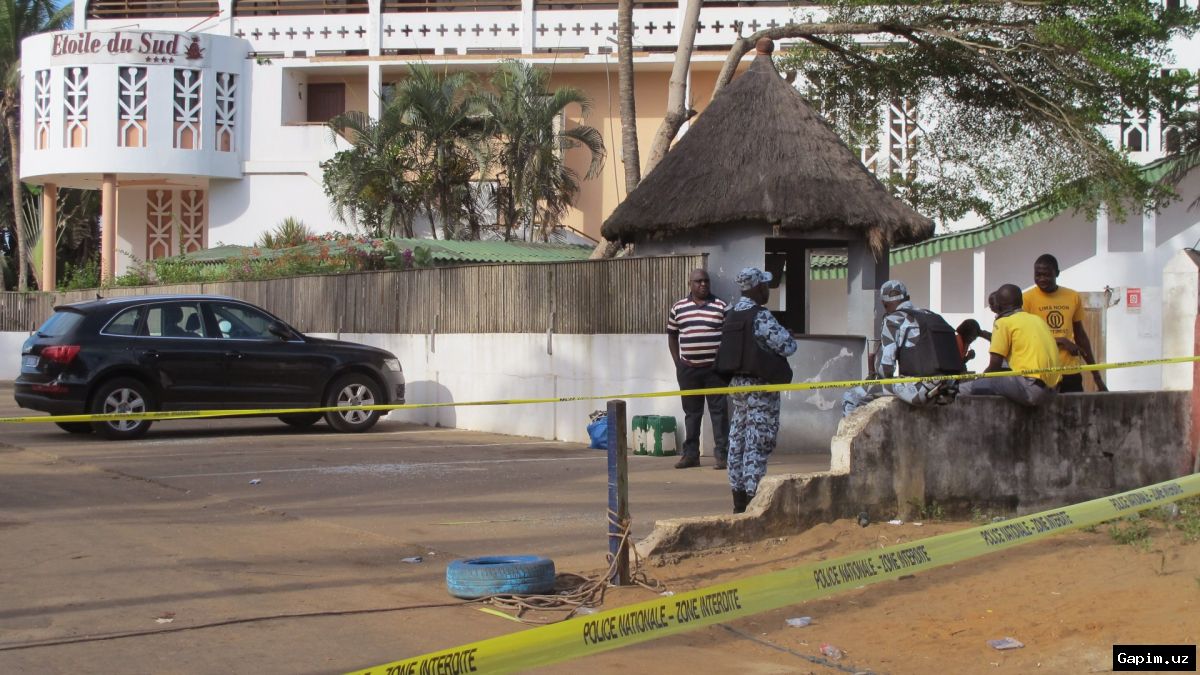
On March 13, 2016, three gunmen opened fire on three beachfront hotels in Grand Bassam, a historic port town east of Abidjan, killing 19 people including nine foreigners. Al-Qaida in the Islamic Maghreb (AQIM) claimed responsibility, citing the arrest of its members by Ivorian authorities.
A decade later, while the beach resorts have recovered, the north of the country faces a growing jihadist threat from neighboring Mali and Burkina Faso, both of which have expelled French and US troops after military coups and turned to Russia.
Côte d'Ivoire, a key Western ally in counterinsurgency, acts as a buffer state between the Gulf of Guinea and the Sahel. Violence in its neighbors has driven thousands of refugees into the northern regions.
Terrorism incidents linked to jihadists have nearly tripled in coastal West Africa. The JNIM coalition, which absorbed AQIM, now employs sophisticated tactics, including armed drones—with strikes rising from fewer than 10 in 2024 to about 80 in 2025, according to conflict monitor Acled.
In response, the Ivorian government has more than doubled police and gendarmerie numbers in the north, opened an EU-backed counter-terrorism academy, and invested in social projects such as schools, mobile health clinics, and micro-loans for young cashew farmers in remote border villages.
However, dense forests and porous borders remain concerns. The government did not respond to queries about a speculated US drone base or American troops sharing an existing airbase.
In Grand Bassam, the three targeted hotels remain shuttered. Rose Ebirim, who witnessed the attack, now organizes beach cleanups and the annual International Day of Reggae festival. "After 10 years, I'm starting to sort myself out," she said.
Source: www.theguardian.com