At the Mercado de Abastos wholesale market in Monterrey, Mexico, prices of staples like tomatoes, potatoes, beef, and chilies have surged in recent weeks, forcing customers to change shopping habits and tighten budgets, while vendors cut profit margins or risk losing clients.
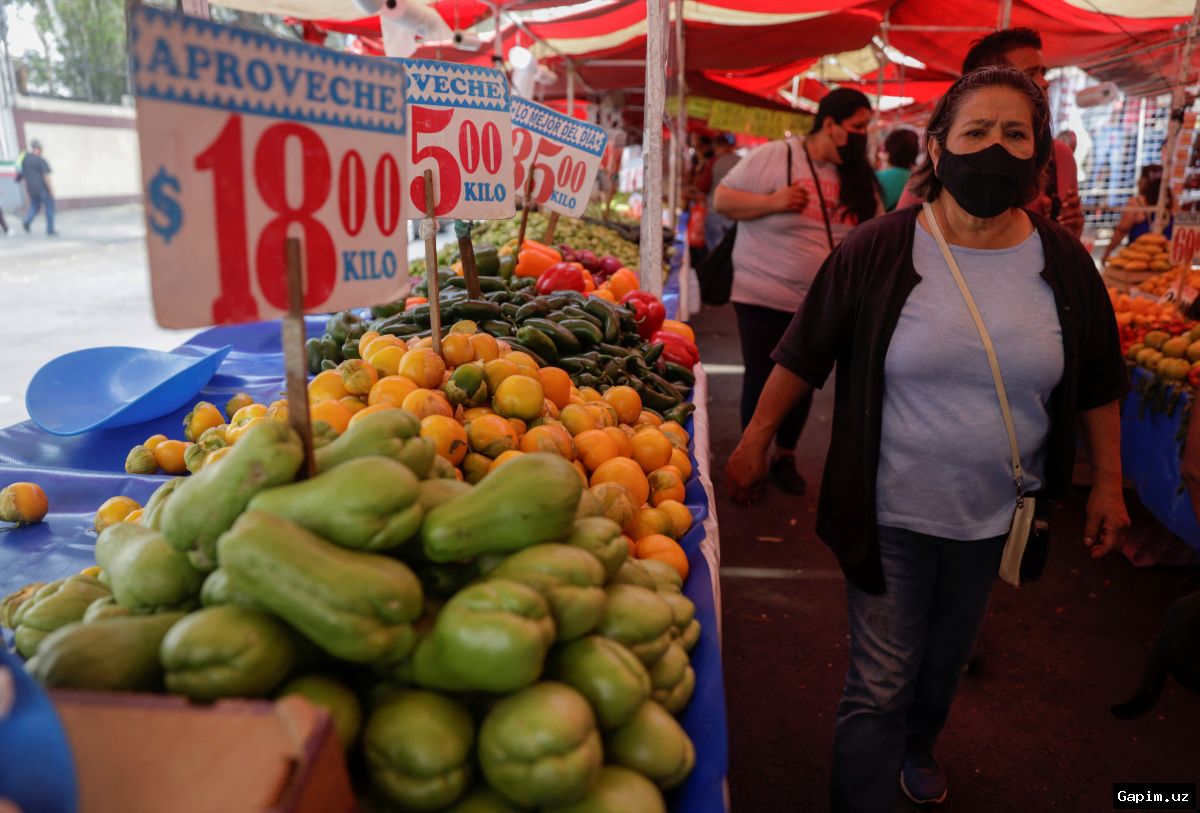
“You have to buy them anyway; they’re things you use daily,” said Cesar Ramirez, a 66-year-old retiree. Shop owners cite rising fuel prices, high agricultural costs, and increasing extortion and theft on highways, while international pressures mount from global fuel and fertilizer price hikes due to shipping disruptions in the Strait of Hormuz.
Elvira Pasillas, professor at ITESO, noted low-income households spend nearly 70% of earnings on food. “Not only are they struggling to meet minimum nutritional requirements, but they are also spending almost all of their income on food,” she said. National statistics agency INEGI reported 12-month inflation at 4.45% in April, with the basic food basket in urban areas rising 8.1% in March.
Guillermina Delgado, a 62-year-old housewife, said she rations shopping to essentials. Mexico’s informal labor rate reached 54.8% in March, and GDP fell 0.8% in Q1. Pasillas described “economic stagnation reflected in a much more precarious labor market, with rising inflation and much higher food inflation.”
Rising energy prices driven by the US-Israel war on Iran are pushing up logistics costs. Fabian Dominguez, manager of meat shop El Bodegon, said pork and beef prices have risen since early 2024, with beef up 16.5% in January. Factors include end of tariff exemptions on imports from Brazil and Argentina and a screwworm outbreak disrupting cross-border trade.
Dominguez attributed price surges to rising fuel prices due to the Iran war and roadblocks by criminal groups or protesters. Protests by farmers and truck drivers demanding lower fuel costs and better security have caused major logistical delays. The Mexican government renewed a voluntary agreement with retailers to reduce fuel tax, but Pasillas warned subsidies would strain public finances.
Security threats like extortion and robberies hamper commercial activity. In January, authorities arrested Cesar Sepulveda Arellano, alias “El Botox,” allegedly behind the murder of lemon sector leader Bernardo Bravo. The National Agricultural Council stated insecurity puts food producers at risk and distorts markets.
Dominguez reported a 25-30% drop in sales year-on-year. Graciano Rico, manager of a produce shop, cut profit margins nearly in half to retain customers. Shop owner Ilda Castro noted tomato prices surged from 20 to 75 pesos per kg. Last year, the US imposed a 17% tariff on Mexican tomatoes, which Anaya called unfair.
Carlos Ramirez, a store manager, said clients are turning to canned tomatoes or serving smaller salsa portions. Mexico imports 70% of its fertilizer; urea prices rose 47%, diammonium phosphate 57%, and mono ammonium phosphate 54% in Q1. Pasillas warned the full impact will be seen long-term.
The Package Against Inflation and Expenditure (PACIC) aims to cap 24 essential items at about 910 pesos, but Cuauhtemoc Rivera, president of ANPEC, argued it fails to reach the most vulnerable, as it is sold in supermarkets where they cannot afford to shop.
Source: www.aljazeera.com