Congolese authorities have reported that suspected Ebola cases have now exceeded 900 in the ongoing outbreak in the eastern part of the country. The Congolese Ministry of Communication posted on X on Sunday that there were 904 suspected cases and 119 suspected deaths.
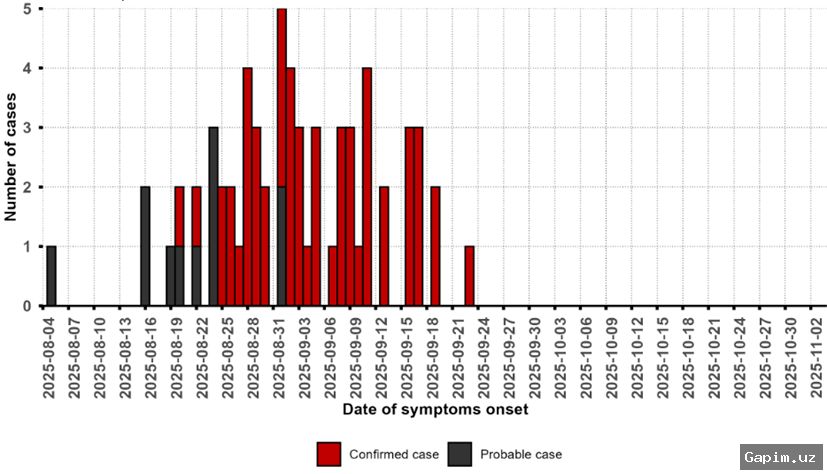
Previously, authorities had announced over 700 suspected cases and more than 170 deaths, mostly in Ituri province, the epicenter of the outbreak.
The World Health Organization has stated that the outbreak poses a “very high” risk for the Democratic Republic of Congo, but the risk of global spread remains low.
Health authorities are facing severe challenges in containing the outbreak, including arson attacks on two Ebola treatment centers last week. These attacks highlight anger in a region plagued by violence from armed rebel groups, mass displacement, government failure, and international aid cuts.
Colin Thomas-Jensen, director of impact at the Aurora Humanitarian Initiative, suggested the attacks may reflect “built-in skepticism and anger” among eastern Congo’s population over how the region has been treated.
Strict burial protocols for suspected Ebola victims have also fueled anger. The first burning of an Ebola center in Rwampara was carried out by young men trying to retrieve a friend’s body, according to witnesses and police.
Authorities in northeastern Congo have banned funeral wakes and gatherings of more than 50 people, with armed soldiers and police guarding some burials conducted by aid workers.
Eastern Congo has long suffered attacks from dozens of rebel and militant groups. The Rwanda-backed M23 rebels control parts of the region, while the Allied Democratic Forces, a Ugandan Islamist group linked to Islamic State, remains dominant in Ituri.
Before the outbreak, Doctors Without Borders noted worsening insecurity in Ituri, causing medical staff to flee. The UN humanitarian office reports nearly 1 million people displaced by conflict in Ituri.
Health experts say international aid cuts last year by the US and other wealthy nations have been devastating for eastern Congo. Aid groups on the ground report shortages of essential equipment like face shields, protective suits, test kits, and body bags.
The Bundibugyo type of Ebola virus responsible for the outbreak has no approved vaccine or treatment.
Source: www.theguardian.com