Some Canadians are already embracing their newfound European identities after the European Union floated the potential for “associate member” status amid the trade war with the United States. Social media users joked about adopting European habits like smoking for breakfast and taking seven-week vacations, as memes flooded platforms like X.
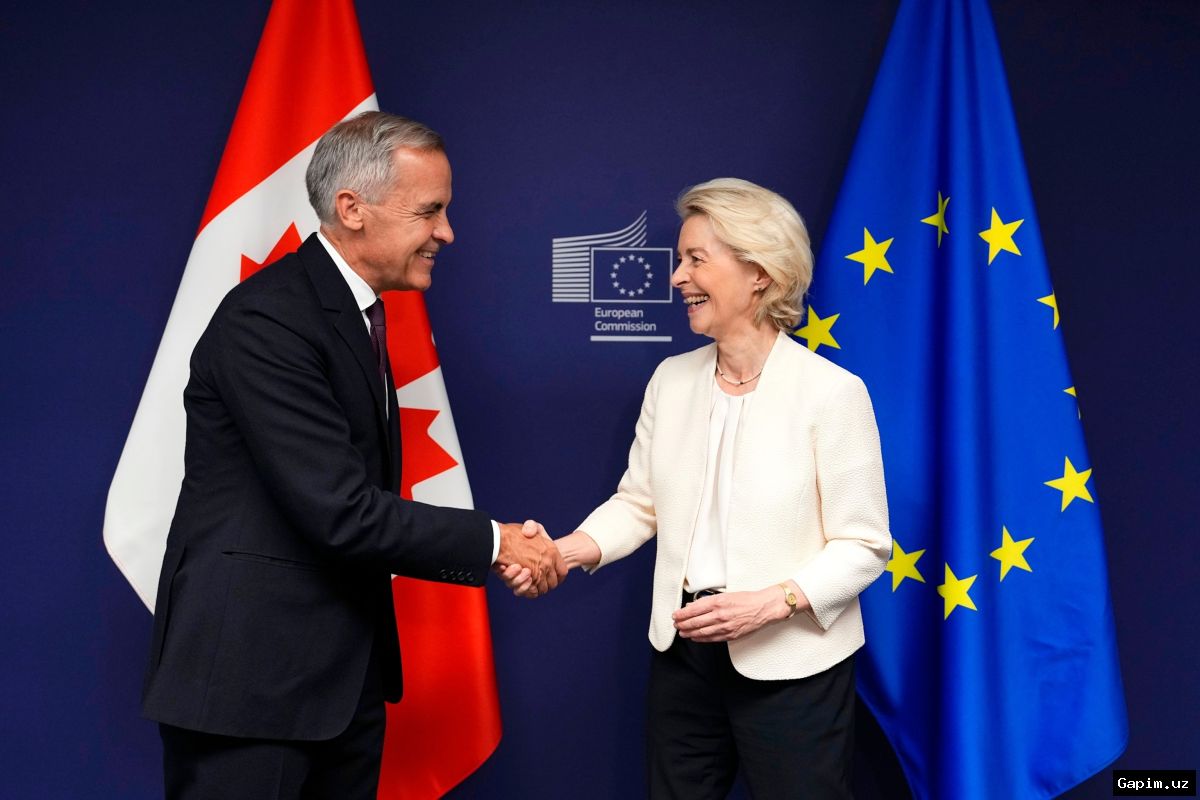
The prospect of a new relationship with Europe gained traction after Canada and the US engaged in a trade war. Negotiations failed to prevent US President Donald Trump’s threatened 50 percent tariffs on nearly $20bn worth of Canadian products, including machinery, textiles, and hockey sticks. Both sides have since imposed retaliatory tariffs.
Canadian officials initially pushed back on reports of “associate membership” with the EU. Then, on Wednesday, European Commission President Ursula von der Leyen made the proposal public. By Thursday, Canada’s vision was becoming clearer. Addressing the European Parliament in Strasbourg, Prime Minister Mark Carney welcomed von der Leyen’s ambition, describing what he wanted as an “alliance for the future” spanning critical minerals, defence, artificial intelligence, energy, digital trade, research, and financial services. He also called for making it easier for young Canadians and Europeans to work, study, and live on either side of the Atlantic.
In response, Trump threatened action against the EU if it moves forward with von der Leyen’s proposal. “If they do that, if I think it’s at all a hostile act, I will put very serious tariffs or stop trading with Europe on many things,” Trump told reporters, calling the proposal “laughable”.
Despite the uncertainty, getting closer to Europe appears to have broad support at home. An Abacus Data survey conducted from September 4 to 9 found 81 percent of Canadians supported closer integration with the EU while remaining outside the bloc, including making it easier for transatlantic trade, travel, work, and study. Eighty percent backed deeper cooperation on foreign policy, defence, and economic priorities, up six percentage points since February.
David Coletto, founder and CEO of Abacus Data, said the support makes sense against a striking shift in how Canadians view the United States. Positive impressions of the EU have risen to 71 percent, while just 21 percent now have a positive view of the US. “Canadians overwhelmingly [feel] still angry and a sense of betrayal over how the Trump administration has approached the Canada-US relationship,” Coletto told Al Jazeera.
While older Canadians prioritize trade and security, 38 percent of 18-to-29-year-olds polled listed study, training, and research among their top priorities for a closer EU relationship. Asked which side they had more in common with in terms of values, way of life, and outlook on the world, 56 percent chose countries in the EU, while only 16 percent chose the United States.
Conservative leader Pierre Poilievre framed closer integration as a question of Canadian sovereignty after von der Leyen’s proposal. “No EU taxes, no EU laws and no EU open-border immigration policies should be imposed on Canadians. Canada must be independent and sovereign. Period,” Poilievre said. None of those measures have been proposed, and there is no indication that Canada would be required to adopt EU taxes or laws, or open its borders under the arrangement being discussed.
Polling suggests that support for closer ties has its limits. While 81 percent backed greater integration while Canada remained outside the EU, support stood at 49 percent when respondents were asked about full membership, with 30 percent opposed and 21 percent unsure. The partisan gap was wider on full membership: 64 percent of Liberal voters supported it, compared with 33 percent of Conservatives. Yet 70 percent of Conservative voters still backed closer integration while remaining outside the bloc.
What those partnerships will actually entail remains an open question. The two sides are expected to keep fleshing out the relationship in the coming weeks, including at a Canada-EU summit in Montreal next month. That uncertainty has given critics room to offer their own interpretations, and some Canadians worry about potential consequences from the US.
Source: www.aljazeera.com