As poverty deepens and the Taliban curtails women's rights, domestic violence in Afghanistan is becoming more dangerous, less visible and harder to escape, according to a new investigation by DW.
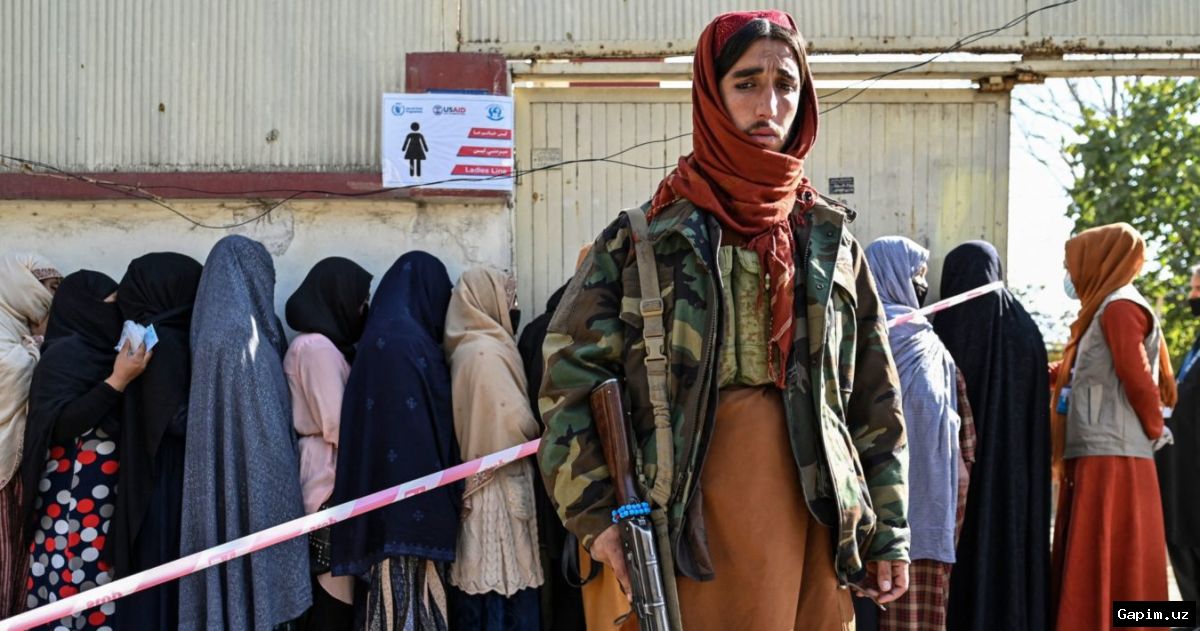
The severe humanitarian crisis, where nearly half the population requires assistance, has pushed many families into survival mode. Hunger, joblessness and collapsing services have tightened dependence within Afghan households, making women more vulnerable to abuse.
Wide-ranging restrictions imposed by the Taliban regime since their return to power in 2021 have narrowed women's options in public life, limiting access to work, education and mobility. Together, these pressures make violence against women in the private sphere harder to report and easier to conceal.
Women's rights advocates and local journalists describe a pattern: economic desperation drives forced and early marriages, increases women's dependence on husbands or in-laws, and makes domestic abuse less visible. When protection mechanisms fail, violence can escalate to lethal outcomes.
A case from Ghor province illustrates these dynamics. Farzana, 18, was killed in her home in Pasaband district. A doctor said forensic examinations showed clear traces of beatings and torture. She had been married off to a man in his 50s who already had two wives. Two of the man's sons were accused of involvement in her killing.
Farzana's relatives refused to cooperate, saying they were poor and the suspects were rich. Local journalists say even when violence is known, it rarely enters the public record because the Taliban regime has severely restricted media. Social pressure and fear of stigma also prevent families from filing complaints.
Human rights group Rawadari raised concerns after a Taliban criminal procedure document stipulated that only if a husband beats his wife with a stick causing severe injury, and the woman can prove it, will he be sentenced to 15 days' imprisonment. The code does not explicitly prohibit other forms of physical, psychological or sexual violence.
Taliban officials reject the premise that violence is tolerated. Abdul Hai Zaim, head of the Taliban's information and culture department in Ghor, told DW that authorities had not been informed of the reported cases and that the regime punishes perpetrators according to law.
A 2025 UN report describes the Taliban regime's rule as creating "an institutionalized system of discrimination" against women and girls, effectively erasing them from public life. The question of scale remains: as one local journalist asked, "When two women are killed in a small district within a few days, what will the annual number of femicide cases nationwide be?"
Source: www.dw.com