The Iranian regime is facing widespread condemnation for allegedly demanding up to $2 million per vessel for 'safe passage' through the Strait of Hormuz, the world's most vital energy corridor. Tehran claims the fees are war reparations for damage from US-Israeli attacks, as well as payment for navigational services, environmental protection, and enhanced security.
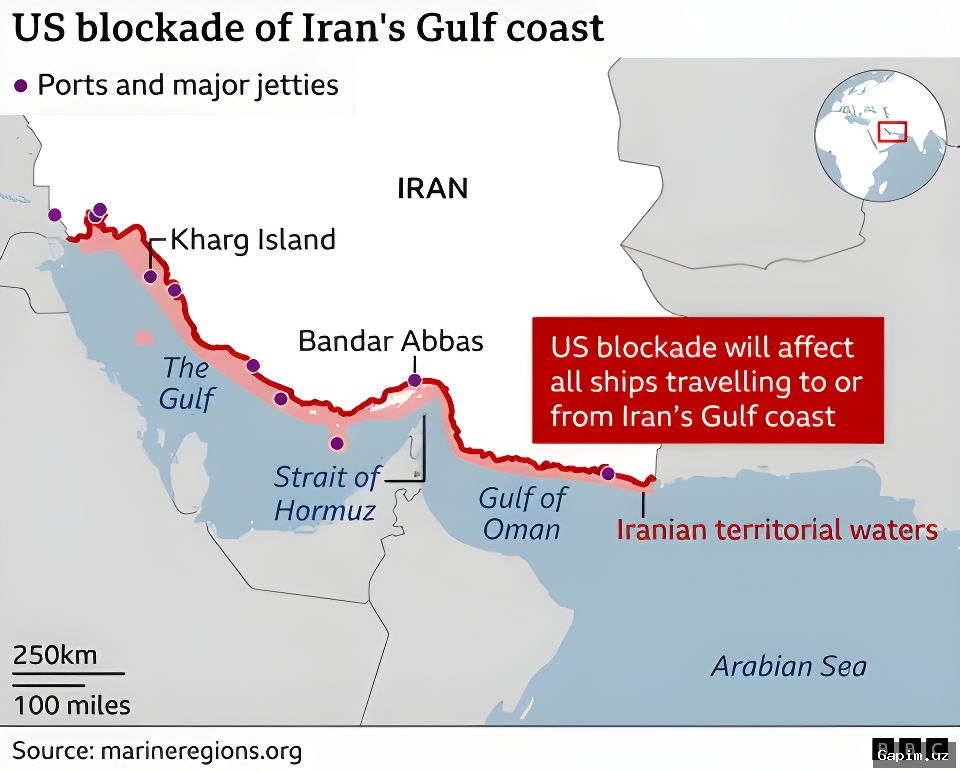
Iran is reportedly drafting a joint protocol with Oman requiring ships to obtain permits before transiting the strait. While some Asian shipping firms have quietly paid, major global players refuse. The Institute for the Study of War (ISW) has labeled the tolls a maritime 'protection racket.'
The United States and China have jointly opposed the levy, Reuters reports, citing a US State Department official. Gulf countries have also rejected the move. Maritime experts argue that Iran cannot legally charge fees in Hormuz, unlike the Suez and Panama Canals.
Under the United Nations Convention on the Law of the Sea (UNCLOS), natural straits used for international navigation are subject to transit passage rights, allowing vessels to pass without interference. Coastal states may only charge limited service fees, such as for pilotage and towing.
The Suez and Panama Canals are man-made waterways built and maintained by sovereign states at enormous cost. Egypt earns around $4 billion annually from Suez Canal tolls, while the Panama Canal Authority charges fees under separate treaties. Both operators typically charge less than half of what Iran is demanding.
Gray areas exist: Russia charges icebreaker escort fees on the Northern Sea Route, Canada asserts sovereignty over the Northwest Passage, and the Turkish Straits are governed by the Montreux Convention, allowing only limited service fees.
US President Donald Trump stated that the strait will remain open as international waters and threatened Oman over its alleged involvement. Washington is urging shipping companies not to pay the tolls and warns of secondary sanctions for those that do. The US and UN are working on a plan to protect shipping post-war, including multinational naval patrols and demining operations.
Source: www.dw.com