As the Israeli regime expands military operations in Lebanon and Hezbollah digs in, hopes for peace in upcoming direct talks between Israel and Lebanon in Washington are fading. Is the country heading for a humanitarian collapse?
The latest escalation between the Israeli regime and the Iran-backed Hezbollah group is exacerbating Lebanon's dire humanitarian situation. "Lebanon is in a state of panic," Kelly Petillo, program manager for Middle East and North Africa at the European Council on Foreign Relations, told DW. "Thirty-one people were killed on the eve of this week's Eid holiday."
Lebanon was drawn into the wider Middle East war on March 2, 2026, when Hezbollah fired at Israel two days after the US and Israeli regimes attacked Iran. According to Lebanon's Health Ministry, more than 3,213 people have been killed and more than 1 million people remain displaced following nearly three months of Israeli strikes.
This week, hopes for an end of the fighting were further dimmed after Israeli Prime Minister Benjamin Netanyahu said that Hezbollah's increased use of explosive drones threatens the lives of civilians in Israel's north and "requires of us now to increase the blows, to increase the intensity."
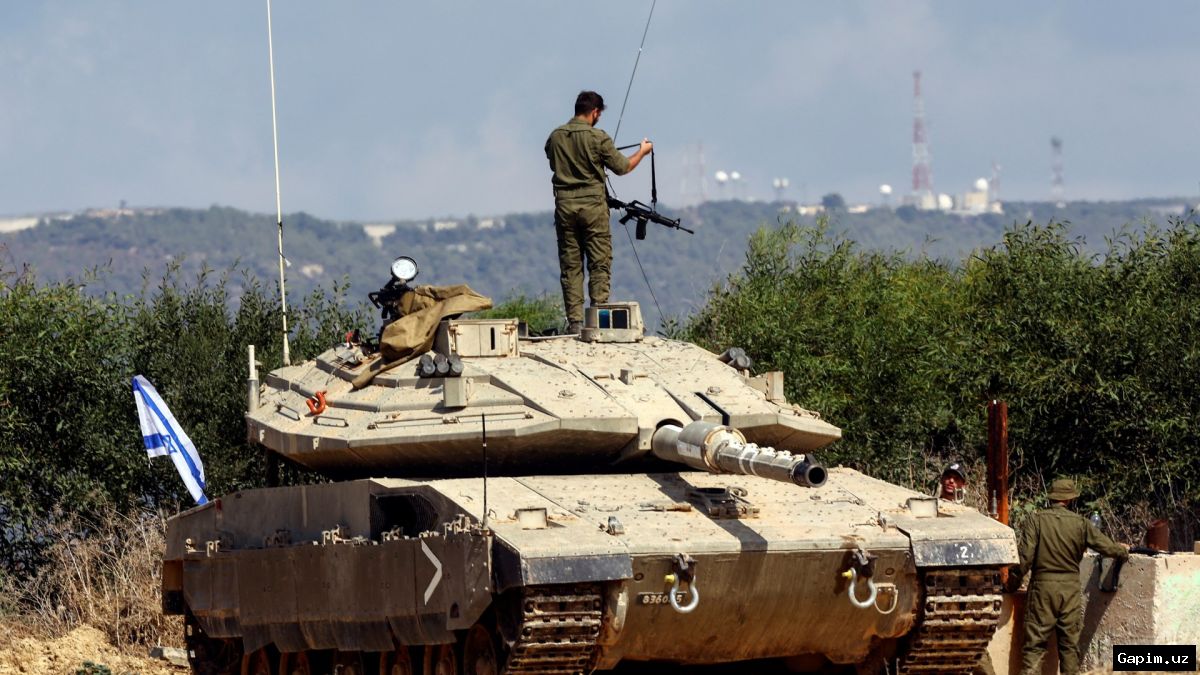
The Israeli regime has been attacking Hezbollah infrastructure and building up a growing military presence further into southern Lebanon. Hezbollah meanwhile has been targeting Israel's north and Israeli military in Lebanon's south. This current escalation is likely to play a role in the ongoing US-Iran negotiations.
"Israel and Hezbollah have entered a very dangerous escalatory cycle," David Wood, a Beirut-based senior analyst for Lebanon at the International Crisis Group, told DW. "If the situation continues along this path, it could have disastrous consequences for Lebanon."
Hezbollah's military wing is classified as a terrorist organization by the US, Germany and many other countries. The Lebanese government under President Joseph Aoun already banned all military action by Hezbollah in March 2026 and continues to push for Hezbollah's disarmament. However, tensions and attacks between Israel and Hezbollah continued until the situation escalated again in early March.
Naim Qassem, the secretary-general of Hezbollah, warned Beirut that his group would confront any government attempt to shut down the Hezbollah-linked Al-Qard Al-Hassan financial institution. "The people have the right to go down onto the streets and to bring down the government," he said.
Sami Halabi, director of policy at the Lebanese think tank The Alternative Policy Institute, says that Hezbollah might indeed believe that another government would serve its interests better. He warned that disarmament by force "would almost certainly lead to civil strife in Lebanon."
Nominally, the most recent US-brokered ceasefire between Israel and Lebanon that took effect on April 17, 2026, remains in place and was extended by 45 days on May 15, 2026. However, despite being a signatory, the Lebanese government is not a party to the conflict while Hezbollah did not sign the agreement. The ceasefire has been fragile with almost daily attacks.
Lebanese President Aoun defended holding the next round of direct talks between Israel and Lebanon, saying that "the liberation of the south is a duty borne by the state." However, Hezbollah points to developments on the ground as justification for keeping its weapons, arguing that diplomacy is ineffective.
Amid this escalating standoff, conditions for Lebanon's civilians are becoming increasingly dire. A recent analysis from the Integrated Food Security Phase Classification (IPC) warned that almost one in four people in Lebanon — around 1.24 million — are expected to face acute food insecurity between April and August 2026. About 22% of agricultural land has been damaged.
The United Nations $308.3 million Flash Appeal for March to May 2026 secured only 51.3% of required funding. Aid agencies warn that funding shortages are forcing humanitarian groups to scale back essential services, including water provision for Syrian refugees, risking outbreaks of hepatitis A, typhoid and cholera.
Source: www.dw.com