As Ethiopia prepares for general elections, the Tigray region will once again be absent from the vote for the second consecutive time. Prime Minister Abiy Ahmed and his Prosperity Party are expected to win, but the exclusion of Tigray raises questions about the country's stability.
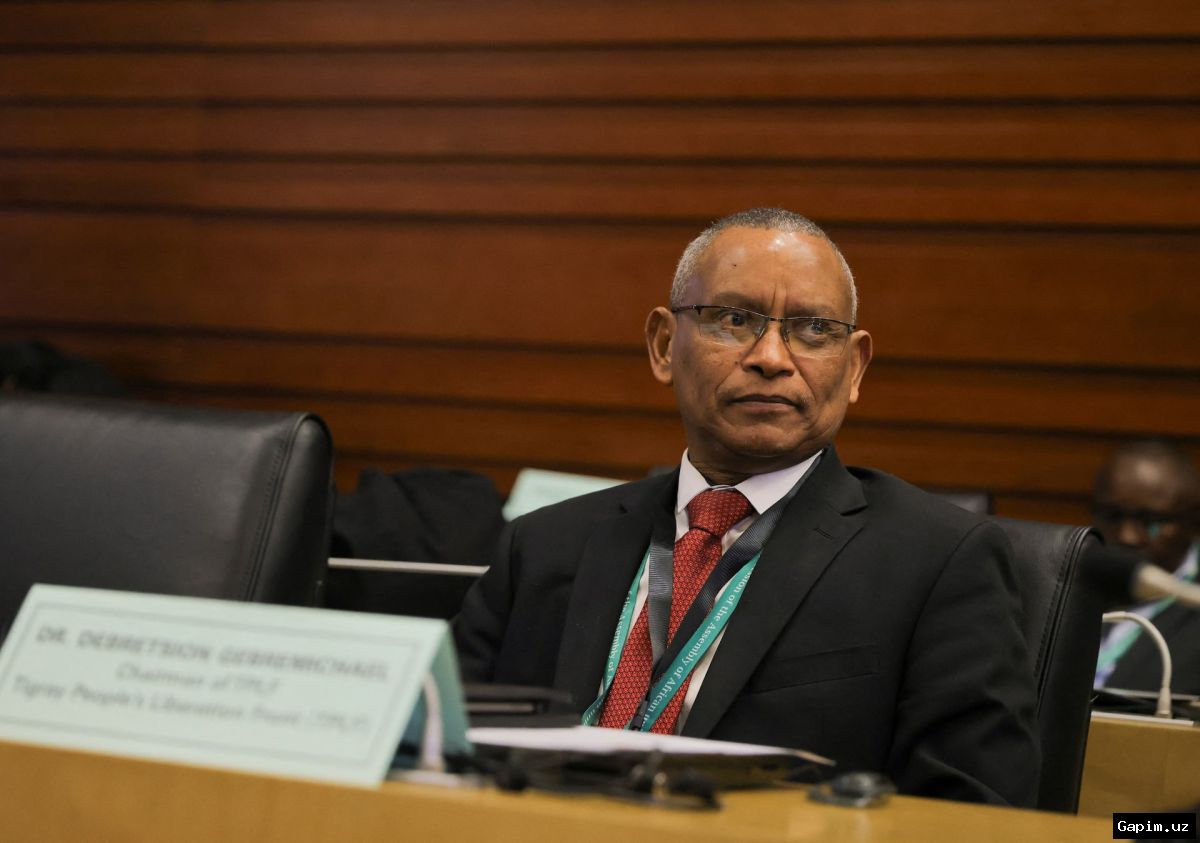
Currently, there are no delegates from Tigray in either the House of Peoples' Representatives or the House of Federation. Missing the 2026 election would mean a full decade of political absence for Tigray from Addis Ababa's political arena.
"Can we still say with certainty that Tigray is part of Ethiopia? I am not sure," says Alemayehu Fentaw, a fellow at the Center for Constitutional Democracy at Indiana University Maurer School of Law. Others share similarly despondent views.
The 2022 Pretoria peace agreement, brokered by the African Union, mandates the federal government to ensure Tigray's representation in federal institutions. However, the agreement has largely only succeeded in halting active fighting, failing to restore democracy in the region.
Tigray People's Liberation Front (TPLF) spokesman Michaele Asgedom states that "more than 40% of Tigray's sovereign territory is under enemy control," making it impossible to hold a representative election. Millions of internally displaced persons and refugees in Sudan cannot vote.
The 2020-2022 Tigray war resulted in an estimated 600,000 deaths. The Pretoria agreement annulled the TPLF's 2020 local election results and established an interim administration, sidelining wartime leaders.
Tensions have flared again in recent months: the TPLF reinstated the Tigray State Council and elected Debretsion Gebremichael as president. The federal government has not yet commented on these moves.
Major General Teshome Gemechu of the Ethiopian defense forces described the TPLF's actions as "anti-Ethiopia" and "a fantasy that poses a threat to Ethiopian sovereignty." Law scholar Alemayehu accuses the federal government of a "deliberate policy of disengagement."
Residents of Tigray fear a return to war. TPLF spokesman Michaele said, "Our people are suffering under the federal government," adding that while they do not want another war, they will resist any invasion.
Eyewitnesses report that TPLF-aligned Tigray Defense Forces are forcibly conscripting former fighters and teenagers. Ethiopian military jets have been seen flying over Mekelle, the regional capital.
Magnus Treiber, an anthropologist at Ludwig Maximilian University in Munich, believes Prime Minister Ahmed has failed to defeat the TPLF politically or militarily and is becoming increasingly isolated internationally due to alleged cooperation with the UAE and Sudan's Rapid Support Forces.
After the June 1 elections, the new government will face multiple armed challenges, including the TPLF in Tigray, Fano militias in Amhara, and the Oromo Liberation Army in Oromia, as well as rising tensions with Eritrea and Sudan.
Source: www.dw.com