Iran's decision to act on its long-promised threat to close the Strait of Hormuz has triggered a US naval blockade. Despite doubts over legality and efficacy, the global impact—soaring oil prices and market shocks—has surprised even Iran itself.
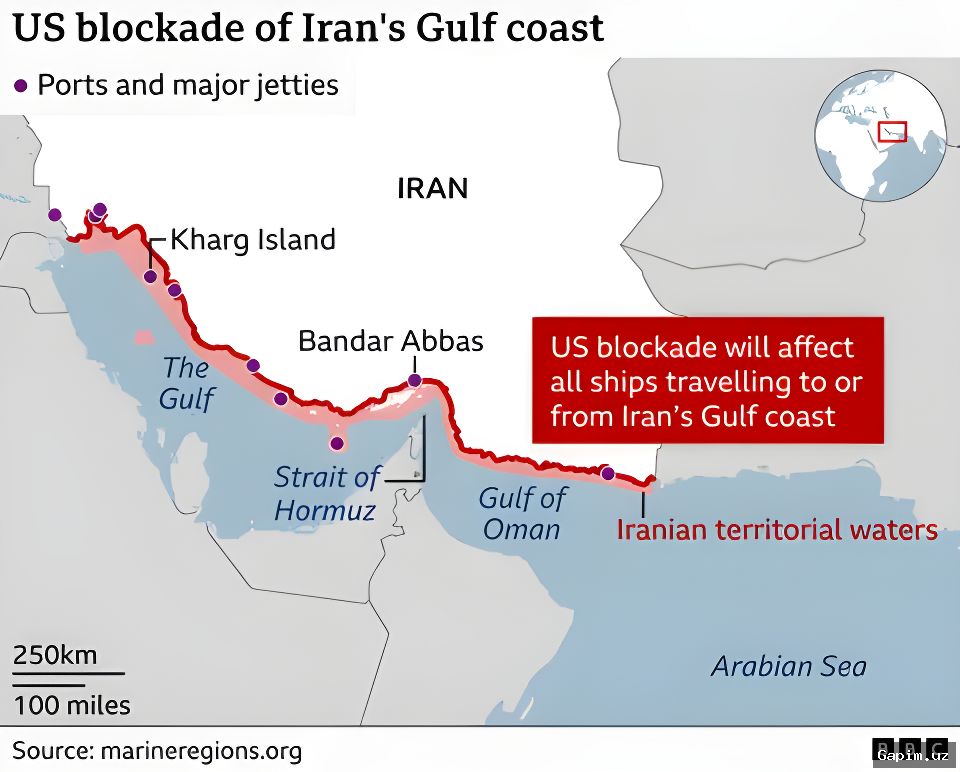
Once dismissed as bluster, the closure has become a weapon of mass disruption. While attention focuses on energy and food security, the domestic political consequences inside Iran are profound.
After the June 2025 US attack on Iran's nuclear facilities, Tehran had spent billions on its nuclear program, which fueled repression and division. Now, a debate is underway over whether control of the strait can replace nuclear latency as Iran's main deterrent.
New Supreme Leader Mojtaba Khamenei has not mentioned the nuclear program publicly, instead emphasizing Iran's right to govern the Strait. Hardliners now tout Hormuz as a greater revenue source than oil exports.
A shift to a maritime doctrine could weaken the security state's grip, empower technocrats, and shift Iran's strategic center toward the Gulf. Regionally, it may ease tensions with Gulf monarchies and Israel.
European states considering a coalition around Hormuz should look beyond immediate security and engage with Iran's evolving strategic debate to foster long-term stability.
Source: www.aljazeera.com