Abuja, Nigeria – Oke Bola (not her real name) thought a fertility supplement she found online might help her conceive. Instead, within days of taking it, she struggled to breathe. Her experience reflects a growing online trade in unverified herbal remedies promoted across social media.
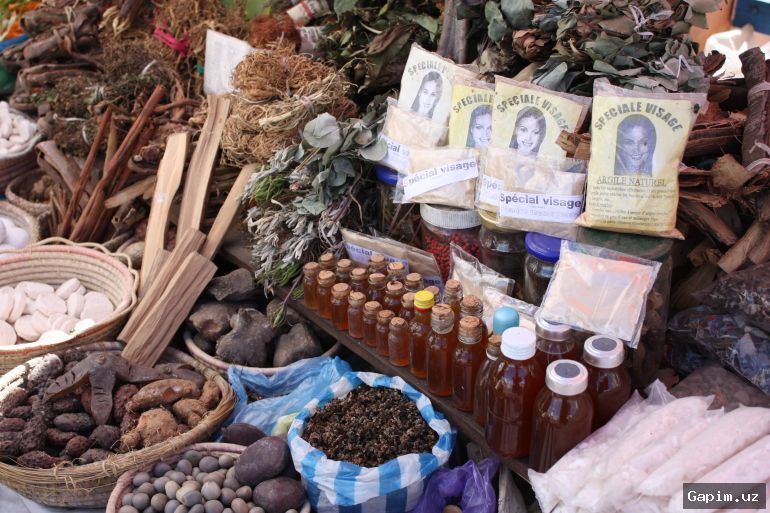
Bola, in her early 40s and childless, admitted to increasing the recommended dosage for quicker results. After experiencing asthma-like symptoms, she stopped the product but later resumed it without consulting a doctor.
A 2025 study on Jinja Herbal Mixture found it relatively safe for short-term use within tested doses, but higher doses caused biochemical changes indicating possible kidney and liver stress.
Another user, 47-year-old Temi Ahondiwura, said a herbal eye treatment bought via Facebook worsened her vision. The product was marketed by influencers claiming to treat multiple eye conditions.
Pharmacists and doctors report a surge in self-medication via social media, leading to delayed treatment and worsened health outcomes. High healthcare costs and system strain push people toward dangerous alternatives.
A 2025 study found 68% of patients willing to consult traditional healers online, but only 19% of practitioners use such platforms.
Dr. Yemi Raji, a nephrologist, noted that 5-7% of his kidney disease cases are linked to herbal remedies. Dialysis costs 50,000-100,000 naira ($36-72) per session.
NAFDAC struggles to regulate online sales, as many sellers use fake addresses. Doctors urge the public to avoid unverified products and seek hospital care.
Source: www.aljazeera.com