During the interwar Weimar Republic, often hailed as a "Golden Age" of culture in Germany, jazz music became immensely popular despite economic turmoil and political polarization. However, after the Nazis seized power in 1933, modern art forms like jazz came under severe pressure as part of the regime's effort to synchronize all aspects of society through a process known as Gleichschaltung.
The Reich Culture Chamber (Reichskulturkammer) placed music, arts, literature, theater, radio, film, and the press under state supervision, allowing only artists affiliated with Nazi bodies to work. In 1937-1938, the Nazis introduced the labels "degenerate art" and "degenerate music" to persecute works that did not conform to their racial worldview. By 1935, broadcasting jazz was forbidden, as the Nazis denounced its African American roots and associated it with Jewish people through antisemitic propaganda.
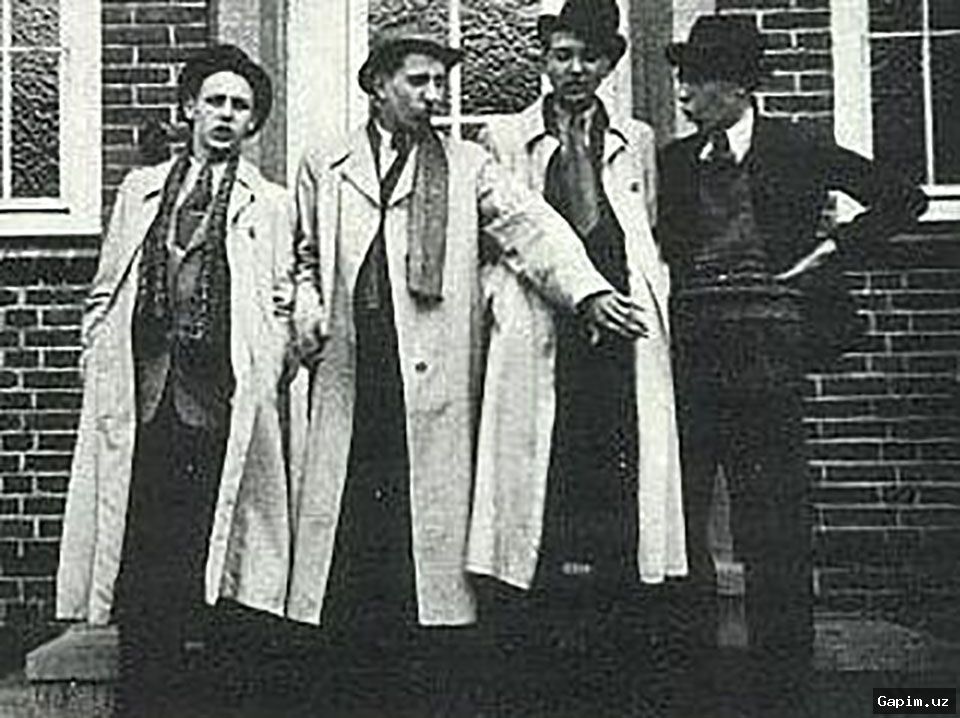
Despite the crackdown, jazz was never completely outlawed due to its widespread popularity; there were even attempts to create a more "Germanic" form of jazz. In 1939, the Swing Youth (Swing-Jugend) emerged in Hamburg among affluent teenagers, quickly spreading to Berlin. Members distinguished themselves from Nazi youth organizations like the Hitler Youth by adopting American fashion trends, wearing long hair and plaid jackets, and greeting each other with "Swing Heil!"
Historian Mascha Wilke from the Foundation for Remembrance, Responsibility and Future (EVZ) described the movement as "standing up for a certain form of freedom, resisting the idea of being the same as everyone else." While their resistance was more cultural than political, the Swing Youth became a target of repression. The Nazi Security Services monitored them, accusing them of "hankering after democratic freedom and American casualness."
Some members were arrested and sent to concentration camps. Wilke recounts an incident where detainees reportedly sang and danced to Louis Armstrong's "Jeepers Creepers" inside a camp—an act she calls "incredibly brave." On May 8, 2026, jazz and swing enthusiasts gathered at Berlin's Besselpark to mark the 81st anniversary of Liberation Day, honoring those persecuted for their love of jazz. Organized by EVZ, participants danced to swing, with professional dancer and historian Natalie Reinsch stating, "Totalitarian regimes have always suppressed art forms like swing and jazz, because they stand for individuality."
Source: www.dw.com