One of the most iconic actresses of the 20th century, Marilyn Monroe (born Norma Jeane Mortenson on June 1, 1926, in Los Angeles), had a childhood marked by foster homes and instability. Early on, she learned that women in Hollywood were judged primarily by their looks.
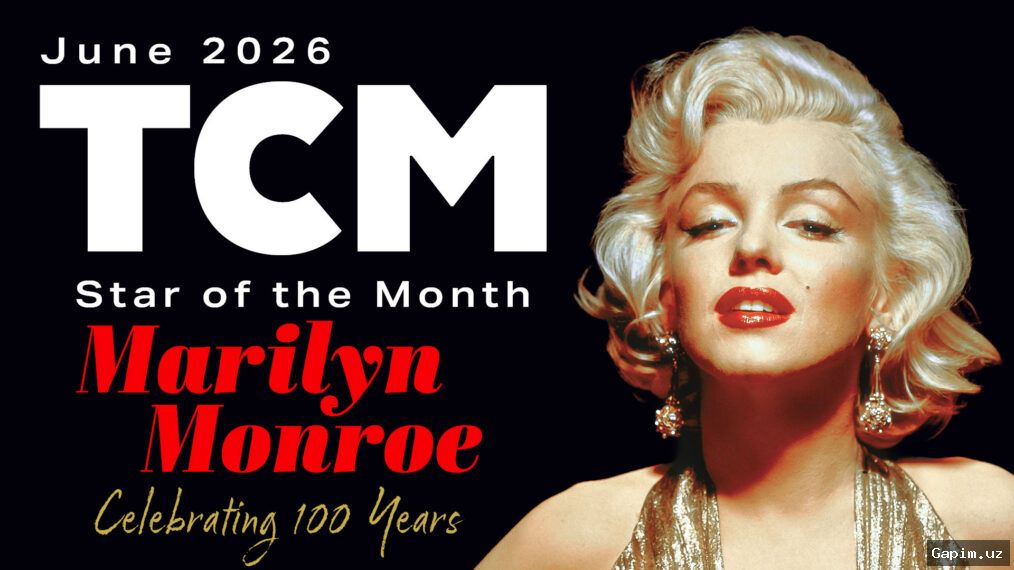
After starting as a model, she was discovered by film studios. Norma Jeane changed her name to "Marilyn Monroe," a name intentionally chosen to sound like a fictional character. Hollywood molded her into the role of the seductive blonde: sensual, playful, seemingly naive. Films such as "Gentlemen Prefer Blondes" (1953), "The Seven Year Itch" (1955), and "Some Like It Hot" (1959) brought her global stardom.
Behind the public image was a woman who wanted to be taken seriously as an actress and a person. While studios confined her to stereotypical roles, Monroe worked intensely on her acting training and read literature, taking a deep interest in politics, art, and psychoanalysis.
In 1955, photographer Eve Arnold captured a moment revealing this other side: Monroe sitting on a playground, absorbed in James Joyce's "Ulysses." Arnold recalled that Monroe always kept the novel in her car and read passages aloud because she loved the sound of the language. To this day, some claim she only posed with the book for the camera, but she repeatedly refuted this.
Today, many feminists see Monroe as a woman who challenged the mechanisms of the entertainment industry long before others did. She understood exactly how her body and gestures defined her marketing, and she used this strategically to advance her career. In late 1954, she founded her own production company, a highly unusual move for an actress at the time.
Monroe remained trapped in the contradictions of her era. The public celebrated her femininity and erotic appeal, yet these same qualities were later used against her. The media often described her as unstable, difficult, or unprofessional—terms still frequently directed at strong and outspoken women today.
Her private life became a public spectacle. Her marriages to baseball star Joe DiMaggio and playwright Arthur Miller were relentlessly dissected, as were her psychological crises and dependence on medication. When she died in 1962 at age 36, mythmaking began. Officially ruled a probable suicide by sedative overdose, conspiracy theories persist.
In recent years, perceptions of Monroe have shifted again. The #MeToo movement and wider discussions about abuse of power in Hollywood helped reframe her story. The 2022 biopic "Blonde," starring Ana de Armas, portrayed Monroe as a vulnerable, traumatized woman. Some critics saw it as an unflinching reckoning with Hollywood's treatment of women, while others argued it reduced Monroe to suffering and victimhood.
Monroe learned the cost of female visibility early. She was desired but rarely respected; famous but scarcely protected; intelligent yet reduced to a perpetual sex symbol. Perhaps this is her greatest feminist legacy: even in the 1950s, she revealed how complicated female self-determination can be in a world that both admires and controls women.
Source: www.dw.com