Brazil is witnessing surging demand for its vast rare earth reserves, with global mining giants betting on the country as the next powerhouse for critical magnetic metals and an alternative to China's stranglehold on the market.
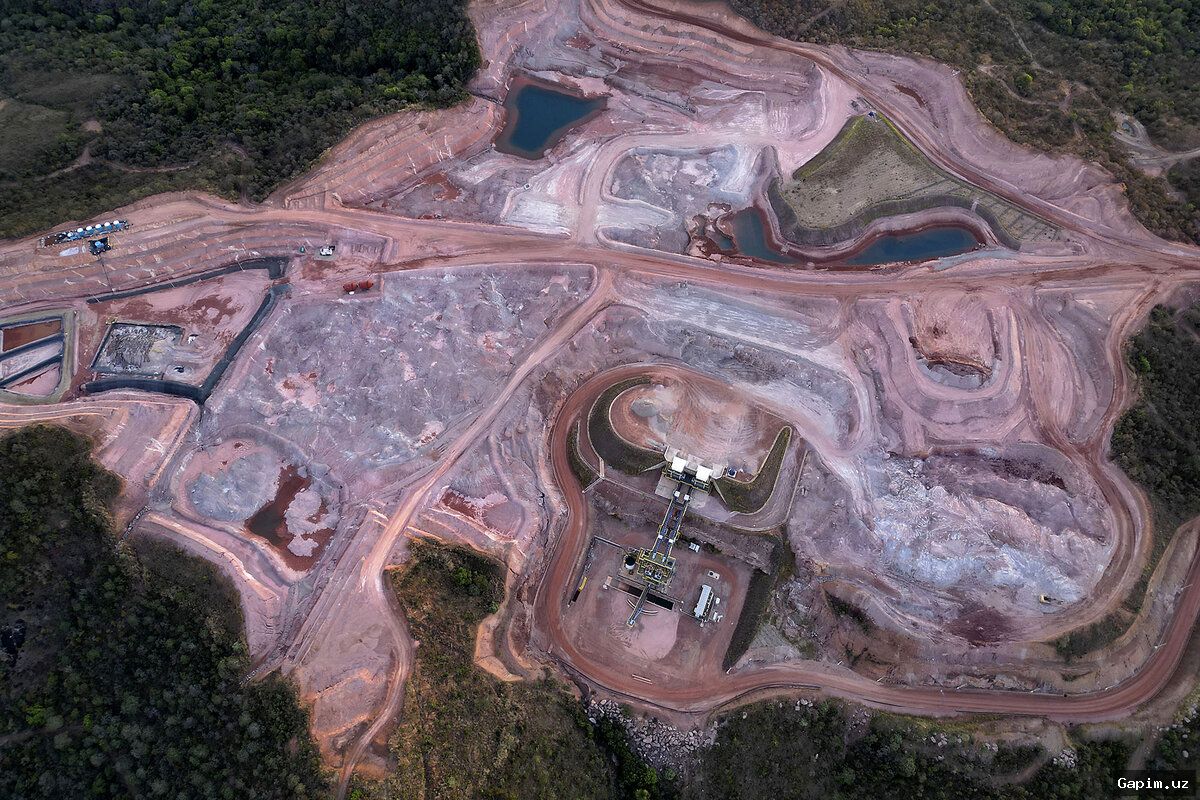
A new resource rush is taking shape in Brazil, but this time it's not about gold, coffee, or rubber. The focus is on the gold of the AI and renewable energy era: rare earth elements.
"The next big rare earth projects in the world will be in Brazil," said Andrew Tunks, CEO of Australian miner Meteoric Resources. His company is heavily investing in the Caldeira project in Minas Gerais, believed to be the world's largest ionic clay deposit.
According to the International Energy Agency (IEA), demand for magnet rare earth elements has doubled since 2015 and is set to expand by a third by 2030, driven by electrification and technologies like EVs and wind turbines.
Brazil holds the world's second-largest rare earth reserves at 21 million tonnes, behind China's 44 million tonnes. The country's National Mining Agency is currently reviewing 2,758 projects, with applications surging from just over 250 between 1975-2020 to 1,662 in 2023-2024 alone.
In April, USA Rare Earths acquired Brazil's only active rare earth mine from Serra Verde for $2.8 billion. CEO Barbara Humpton called the Pela Ema mine "a one-of-a-kind asset and the only producer outside Asia capable of supplying all four magnetic rare earths at scale."
Brazil has so far limited itself to exporting raw materials rather than processing them domestically. China controls over 90% of global refining capacity and 95% of permanent magnet production, highlighting the strategic importance of Brazil's efforts.
Tunks noted that Brazil could become competitive in mining relatively quickly, but building manufacturing value chains will take time. Around 73% of Brazil's deposits are ionic clays, which are easier to mine due to natural weathering processes.
Source: www.dw.com