The National Election Board of Ethiopia (NEBE) has given the green light for the seventh national election to proceed on June 1, despite ongoing internal conflicts and human rights abuses that raise serious doubts about the credibility of the vote.
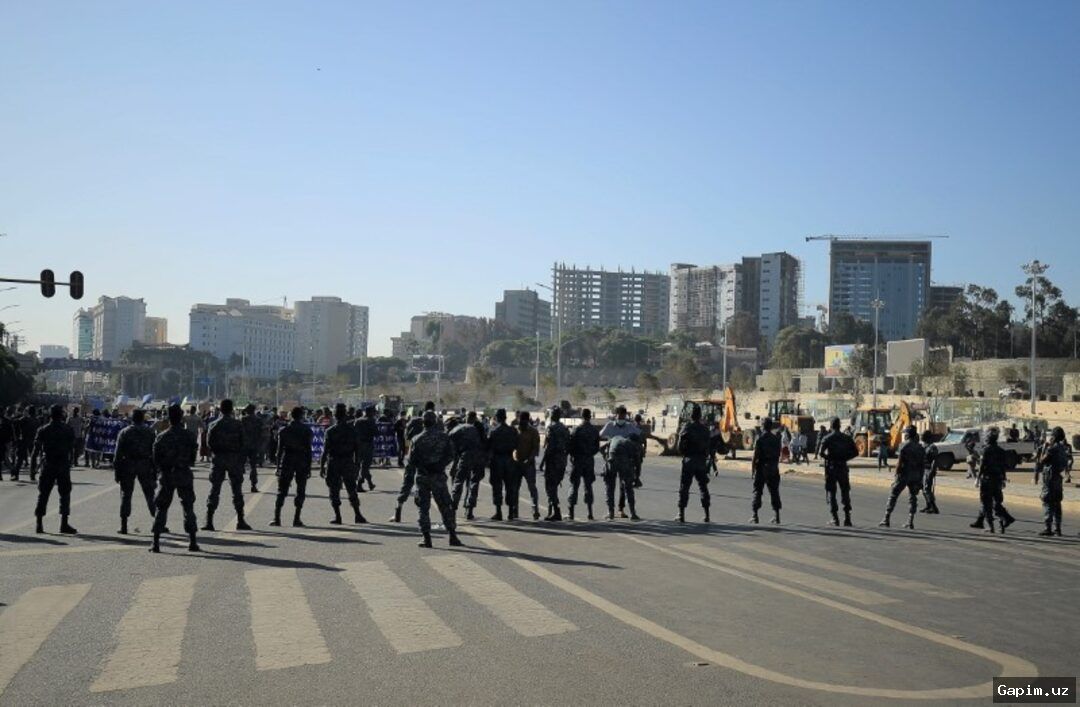
When Prime Minister Abiy Ahmed came to power in 2018, there was significant optimism that the country would transition to constitutional democracy. He released political prisoners, amended repressive laws, and normalized relations with Eritrea, earning him the Nobel Peace Prize and international acclaim.
However, these reforms were soon overshadowed by internal conflict. In 2020, war erupted between the federal government and the Tigray People's Liberation Front (TPLF), resulting in hundreds of thousands of deaths. Human rights groups concluded that government forces were implicated in massive human rights violations, including war crimes and crimes against humanity.
The Pretoria Peace Agreement of November 2022 secured a cessation of hostilities, but fears of renewed violence are growing after the TPLF ousted the interim Tigray administration. Conflicts continue in the Amhara and Oromia regions, with drone strikes and massacres causing significant civilian casualties.
The ruling Prosperity Party has increasingly consolidated authoritarian rule, rolling back legal and political reforms. Political repression, targeting of opposition members, and harassment of journalists have forced many into exile. At least 54 journalists have left the country since 2020 due to persecution.
The international community should exert maximum pressure to ensure the Ethiopian government undertakes meaningful reforms, including national reconciliation, release of political prisoners, and respect for fundamental freedoms. Without these, the elections cannot be free, fair, or credible.
Source: www.aljazeera.com