US lawmakers are quietly advancing a proposal that could deepen military ties between the US and Israel in unprecedented ways. Section 224 of the 2027 National Defence Authorisation Act (NDAA), released this week, is titled the “United States-Israel Defence Technology Cooperation Initiative”.
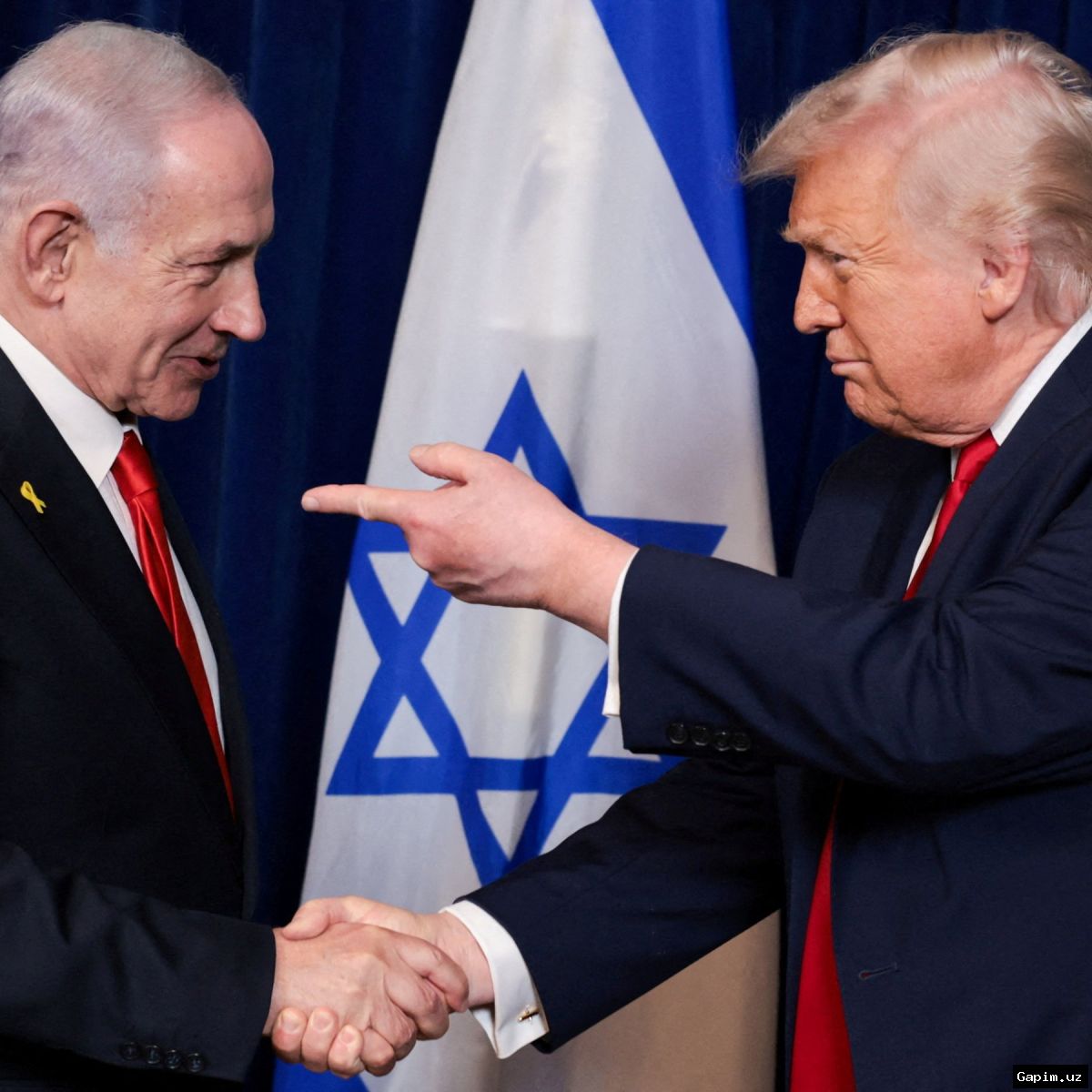
The provision would require the US defence secretary to designate an official responsible for coordinating military cooperation, tasked with “synchronising cooperative efforts between the United States and Israel”, including “bilateral defence technology research, development, testing, evaluation, integration and industrial cooperation”.
Priority areas include counter-unmanned systems, anti-tunnelling, missile and air defence technologies, as well as artificial intelligence, quantum machine learning, autonomous systems, cyber defence, and biotechnology. The inclusion of “network integration” and “data fusion” suggests significantly closer integration of military information systems.
Analysts warn the measure could mark a significant shift in the US-Israel relationship. Mark Hilborne, a senior lecturer at King’s College London, told Al Jazeera: “This all suggests a much tighter integration – less about provision and perhaps sharing technologies and capabilities, and more about jointly developing these.” He added that it could create a “lock-in” that survives changing US administrations.
Critics argue that such a move would make support for Israel less a matter of political choice and more a structural feature of US national security policy. Hilborne also noted that deeper integration could reduce Washington’s leverage over Israel, as it would be less able to withhold certain capabilities.
The proposal comes amid growing debate over US military support for Israel, particularly as Israel’s war on Gaza continues. Polls show declining public support for unconditional aid: only 16% of Americans support continuing weapons transfers without restrictions, according to a recent Institute for Global Affairs poll.
Opposition has emerged from both parties. Former Representative Marjorie Taylor Greene criticized the proposal as “complete capture to a foreign government”. Representative Thomas Massie pledged to introduce an amendment to remove the provision. However, its inclusion in the NDAA highlights the influence of pro-Israel lobby groups like AIPAC.
Critics also point to implications for Palestinians. “Joint R&D would produce more effective technology, providing a capability boost to Israeli forces operating in Gaza or the West Bank,” Hilborne said. The proposal could also reshape the Middle East, with analysts viewing it as the next phase of the Abraham Accords, centering Israel as a military hub.
Source: www.aljazeera.com