Ethiopians voted on Monday in a general election to choose members of parliament, who will in turn select the next prime minister. The National Election Board of Ethiopia (NEBE) reported that 47 political parties and more than 10,900 candidates are in the race, including 2,198 for the federal parliament, 8,736 for regional and city councils, and 73 independents.
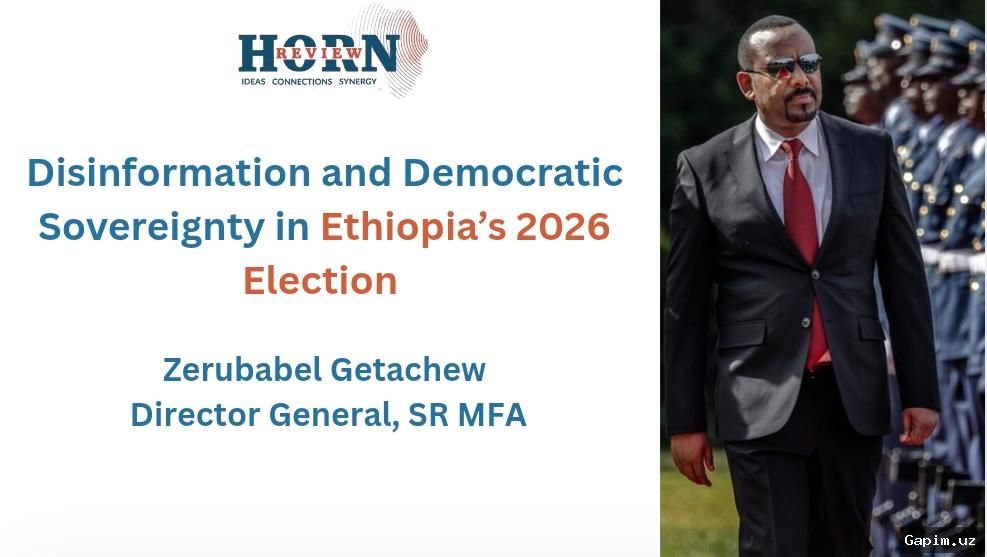
Over 50 million voters are registered, with women accounting for about half of the electorate. Young Ethiopians make up a large share of the population, with a median age of about 19 years, according to UN estimates, giving them a substantial presence in the electorate.
The contest brings together ruling, opposition, regional, and independent politicians under Ethiopia's federal parliamentary system, where the government is formed through a parliamentary majority and MPs select the prime minister.
The ruling Prosperity Party, led by Prime Minister Abiy Ahmed, was formed in 2019 from the merger of regional parties that previously made up the Ethiopian People's Revolutionary Democratic Front (EPRDF). The party emphasizes national unity, economic reform, and state-led development.
The National Movement of Amhara (NAMA) operates mainly in the Amhara region, focusing on political representation, security, and cultural rights of the Amhara population. The Ethiopian Citizens for Social Justice (EZEMA) promotes liberal democratic governance, rule of law, and market-oriented reforms.
The Peace for Ethiopia coalition is an alliance of smaller regional parties aiming to improve coordination and representation of diverse regional interests. Independent candidates focus on local governance issues.
The election results will determine the composition of the federal government and the balance of power between federal and regional authorities. The vote is part of the country's regular parliamentary electoral cycle under the 1995 constitution.
Source: www.aljazeera.com