In the small village of Bembou Silaty in northwestern Guinea, Mamadou Aliou embodies a contradiction: he works for a bauxite mining company but also advocates against the impacts of another miner. 'Before these companies arrived, we cultivated our land and it sustained us. Now, when land is registered to a company, you have nothing,' he told Al Jazeera.
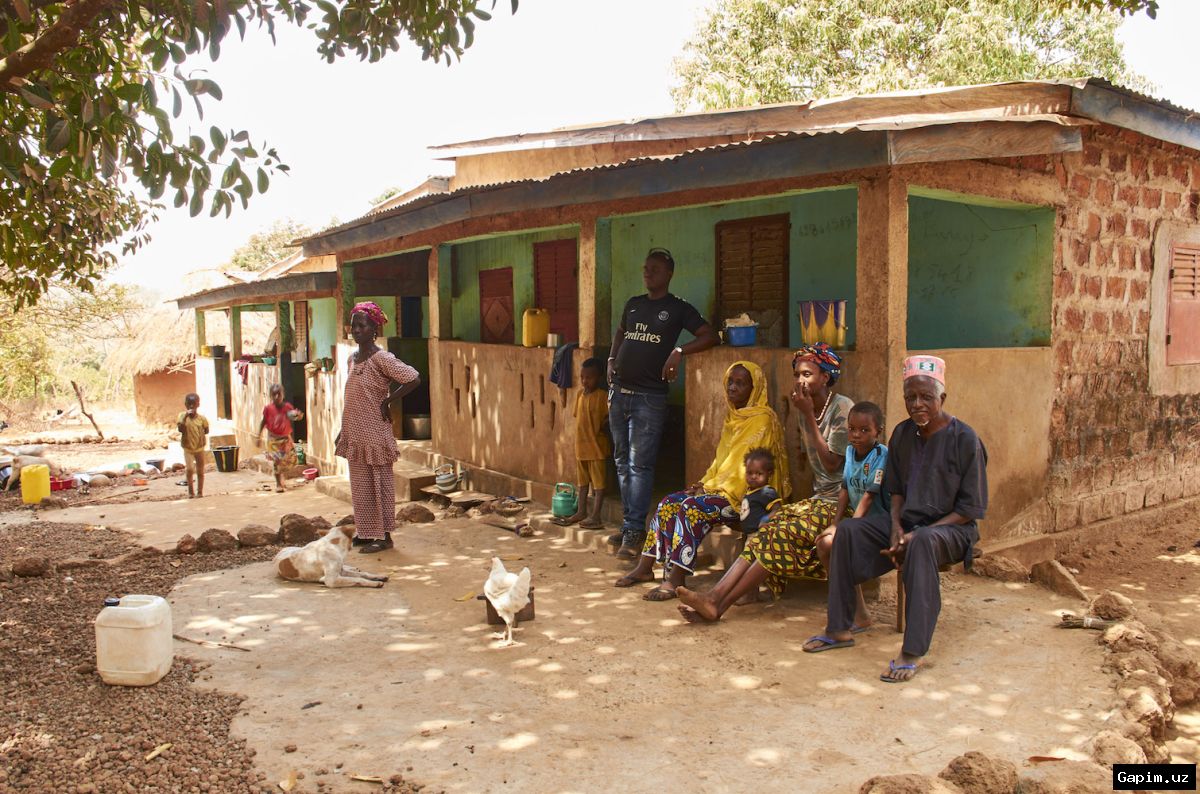
Guinea holds the world's largest bauxite reserves, with production multiplying tenfold over three decades. An Indian company operating since 2019 holds a concession until 2034. But locals in Bembou Silaty report contaminated water, loss of farmland, and declining agricultural yields. The village lacks electricity and most homes have no indoor plumbing.
Fatoumata Binta Bah, 20, whose family grew cashews, received less than $5,700 for their land. 'The land was productive. That's what we lived on. In the end, it wasn't enough,' she said. The compensation was quickly spent, and their new house remains unfinished. The Indian company did not respond to requests for comment.
Guinea's government, led by Mamady Doumbouya since a 2021 coup, is pushing for local bauxite processing to capture more value. Processing can multiply the price 37 times. However, this requires massive electricity generation, which is absent in rural areas and unreliable even in the capital Conakry.
Meanwhile, in Spain's Parets del Valles, over 90% of bauxite imports come from Guinea. The Guinean population in Spain has quadrupled since 2000, with 2,324 arriving in the Canary Islands in 2023 alone. Migrants follow the bauxite trail seeking better opportunities, but many face precarious lives.
'If you compare the bauxite we export with what we get in return, the difference is enormous. We gain almost nothing. Just enough to survive,' Aliou concluded, highlighting the stark inequality at the heart of the global aluminium supply chain.
Source: www.aljazeera.com