SEOUL, South Korea – When Kim Ha-young, a Seoul office worker in her 30s, came into some unexpected cash last year after paying her apartment deposit, she did something she had never done before: she bought shares.
With little market knowledge, Kim picked SK Hynix and Samsung Electronics on a whim. “When you think of Korea, you think of Samsung, right?” she told Al Jazeera. Her shares began climbing rapidly in September, and after some trading, she decided to hold in February. Since then, her stakes in both companies have more than doubled.
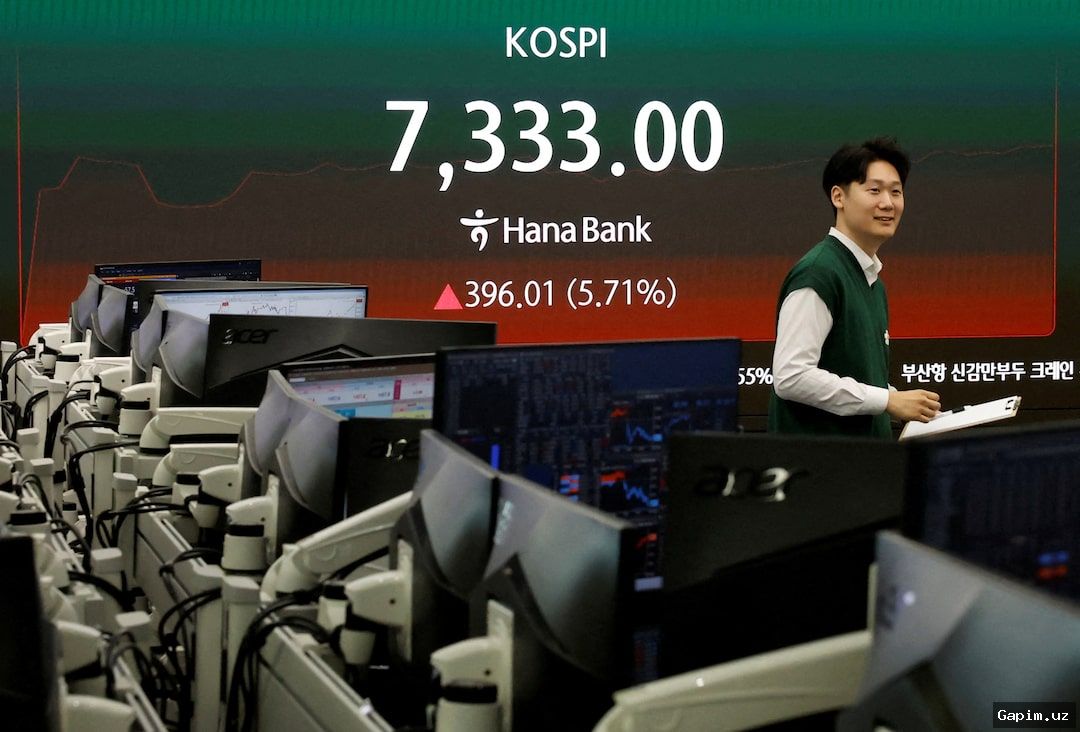
Kim is among a growing number of ordinary South Koreans entering the stock market for the first time during the country's most spectacular rally. The number of stock owners surged from about 6 million in 2019 to over 14.5 million by end-2025, according to the Korea Securities Depository. The benchmark Kospi has nearly doubled, making it the best-performing major index globally.
The boom marks a turnaround for a market long plagued by the “Korea discount” – low valuations due to weak corporate governance under the family-run chaebol system. President Lee Jae-myung, elected last June, pledged to lift the Kospi to 5,000 points, a milestone surpassed in January. His administration has implemented reforms to protect minority shareholders.
However, the rally is largely driven by a global shortage of memory chips for AI, which has brought record profits to Samsung Electronics and SK Hynix, pushing their market capitalizations above $1 trillion. The market remains volatile: the Kospi plunged nearly 9% on Monday, triggering a circuit breaker for the second time this year.
Woori Bank's Jung Jiggwang warns that the biggest risk is a potential slowdown in spending by US tech giants like Microsoft, Apple, and Amazon. Kim Ha-young is now focused on long-term investing: “I think the best thing is to invest in good companies for the long term. I'm trying to let go of greed and just keep at it without putting pressure on myself.”
Source: www.aljazeera.com