After waiting nearly seven hours in a kilometers-long line of hundreds of cars at a gas station near Simferopol, Crimea's administrative capital, Dilyaver was lucky enough to buy gasoline. He paid $22 for 20 liters.
The 52-year-old Crimean Tatar told Al Jazeera that teenagers were running around offering gas for 300 rubles, and one almost got beaten up by angry men in the queue. He withheld his last name and personal details for fear of imprisonment for speaking to foreign media.
Judging by license plates and accents, some men in the line were Russian tourists who decided to cut their vacations short and flee via the $4 billion, 19-km (12-mile) Crimean Bridge, Dilyaver said. "The season is ruined, that's bad news for almost everyone here," he added.
"Crimea's key problem is not because there's no fuel," Nikolay Mitrokhin, a researcher at Germany's Bremen University, told Al Jazeera. "The problem is that Ukrainian drones began barraging over the peninsula's domestic roads." Since mid-May, Ukrainian drones have attacked hundreds of trucks carrying fuel, ammunition and other supplies from southwestern Russia to Crimea via the "land bridge" through occupied Ukrainian regions.
The drones also pepper roads with mines weighing only 500 grams (1.1 pounds) with magnetic or motion sensors. Cargo ships trying to deliver fuel and food to Crimea or transport steel and grain from occupied southeastern Ukraine have also been attacked.
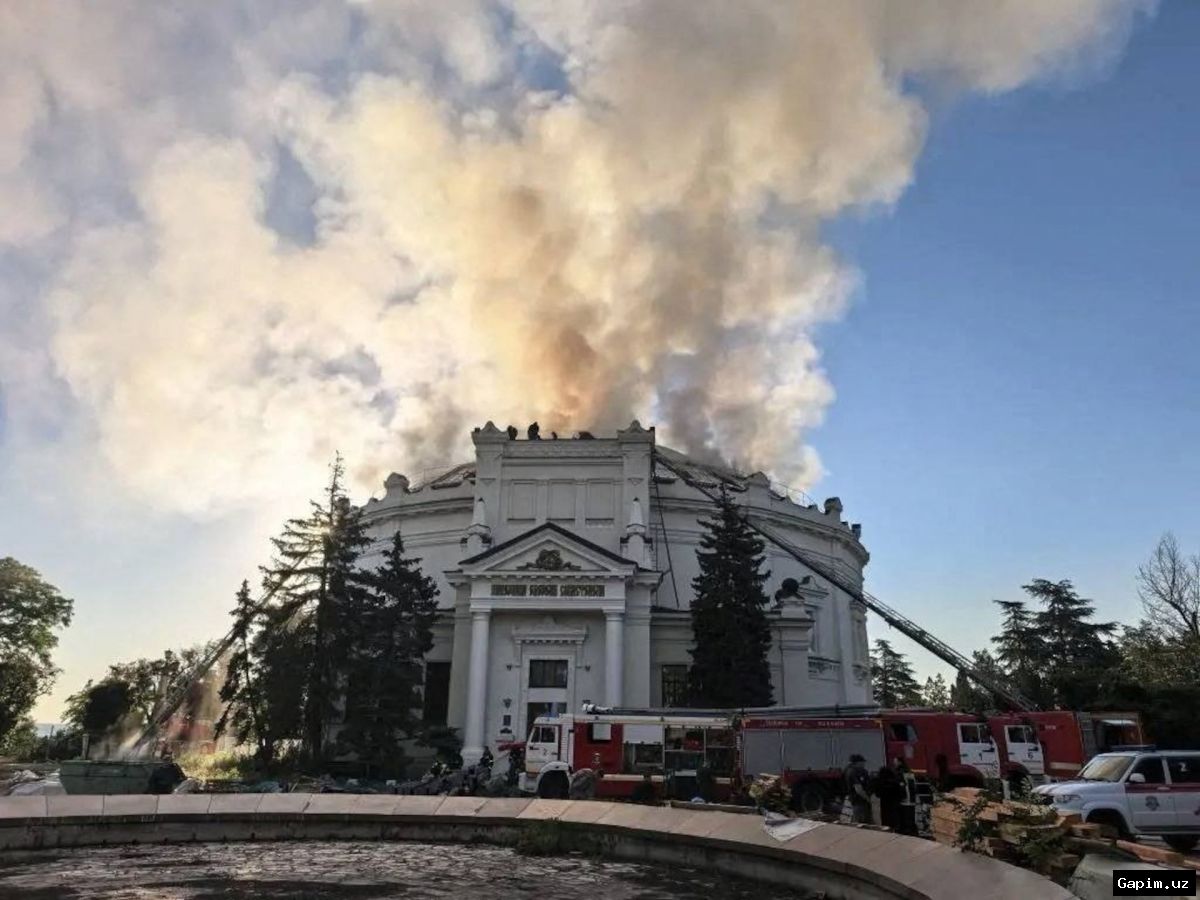
The attacks "illustrate Crimea's vulnerability," Volodymyr Fesenko, head of the Kyiv-based Penta think tank, told Al Jazeera. "Ukraine can regularly, daily strike military and infrastructure sites in Crimea... Ukraine turned Crimea into an island surrounded by war and fire."
Ukrainian drones have also struck fuel depots inside Crimea, as well as air defense systems, airfields, military bases, command centers, and facilities of Russia's Black Sea Fleet, which relocated to Novorossiysk after losing at least a third of its vessels. Moscow spent billions militarizing the peninsula after its 2014 annexation.
Dilyaver's mother, 77-year-old Gulsum, said Ukrainian attacks have triggered food shortages. Macaroni, flour, canned meat, fish, and vegetables have been swept off shelves in some stores. "The Soviet mentality is still at work. If there's a problem – buy buckwheat," she quipped.
Source: www.aljazeera.com