Fadl Nasser hopped on his motorcycle and rushed to his hometown of Ain Baal in southern Lebanon the moment he heard news of a deal between Iran and the United States to end the war that included Lebanon.
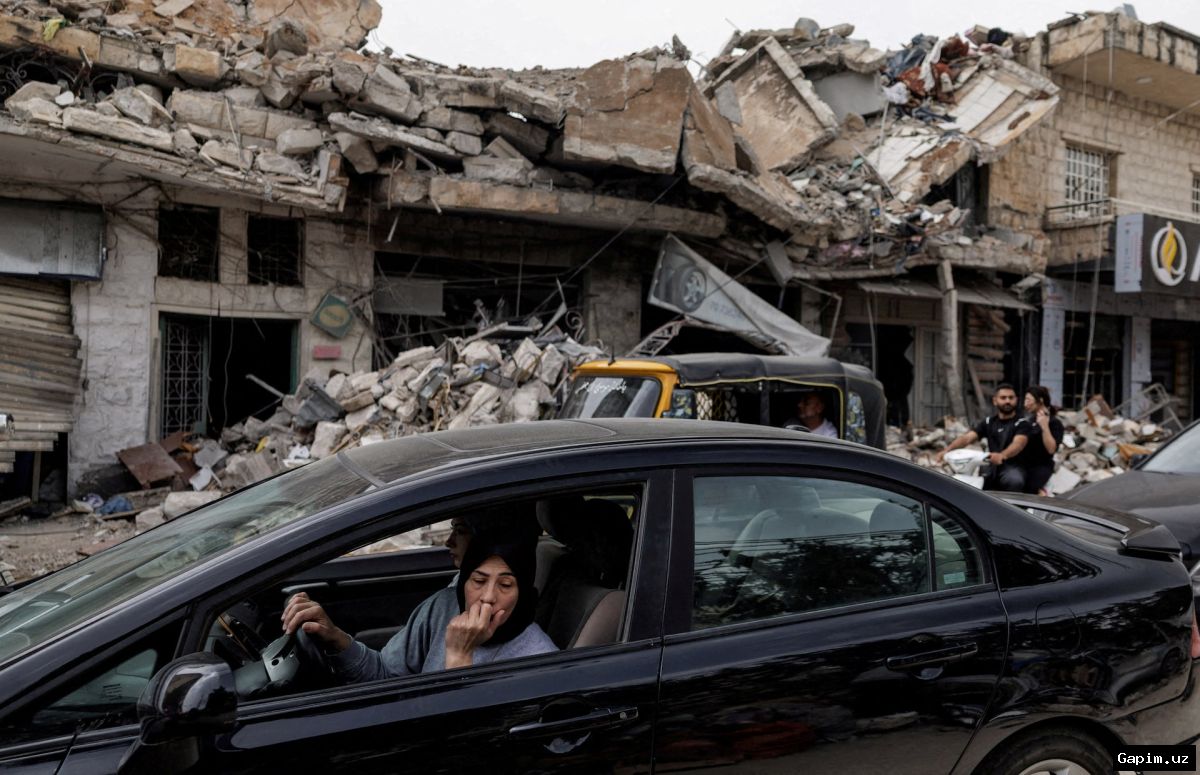
He is one of thousands joining a steady stream of traffic heading towards southern Lebanon, which bore the brunt of Israeli bombardment since March 2. Cars packed with luggage that months ago carried fleeing families north are now making the reverse journey.
Nasser is among the 1.2 million Lebanese people forced to flee their homes following the Israeli invasion. He took shelter in a makeshift shelter inside a school in Sidon, 44 km north of his hometown in Tyre district, which suffered widespread destruction.
As Lebanese head back to their homes, Israeli forces continue to occupy nearly 20 percent of Lebanon, with threats of attacks looming amid refusal to withdraw from the south. Following the ceasefire announcement, Lebanese authorities warned residents of border villages to exercise caution and refrain from returning until security improves.
Despite warnings, people, many living in tents and cars, chose to return. Abu al-Hassan, another returnee, told Al Jazeera that the harsh experience of displacement deepened people's connection to their villages, making return “an indescribable feeling regardless of the damage sustained.”
The destruction awaiting them is vast, with homes and civilian infrastructure devastated on a scale similar to Gaza. Since Israel launched its war on Lebanon on March 2, at least 3,783 people have been killed and 11,699 wounded.
Densely populated areas like Tyre and Nabatieh sustained massive destruction, with entire villages razed. More than a third of Tyre’s population was forcibly displaced. In Deir Qanoun en-Nahr, Mohammad Hariri stood before his ruined family home, mourning the loss of his son and nephew in an Israeli air raid.
“Losing loved ones remains much harder than losing stones,” Hariri said. In Nabatieh, local official Hussein Barjawi said destruction in some neighborhoods exceeds 70 percent. Israeli Prime Minister Benjamin Netanyahu on Monday said troops will not withdraw from the south.
On Tuesday, Iran warned that any Israeli attack on Lebanon or continued occupation would violate the interim agreement. Lebanese group Hezbollah backed the deal to end the war on all fronts.
The November 2024 ceasefire required Israel to withdraw troops and Hezbollah to move its armed presence north of the Litani River. However, Israel never fully halted fire and maintained occupation of five points along the border. The security situation remains volatile.
Source: www.aljazeera.com