The European Union is poised to ease restrictions on crops developed using Novel Genetic Techniques (NGTs), with the European Parliament expected to approve new rules on June 17, 2026. This marks a major policy shift for Brussels, which has maintained a cautious stance on genetically modified organisms (GMOs) since the 1990s.
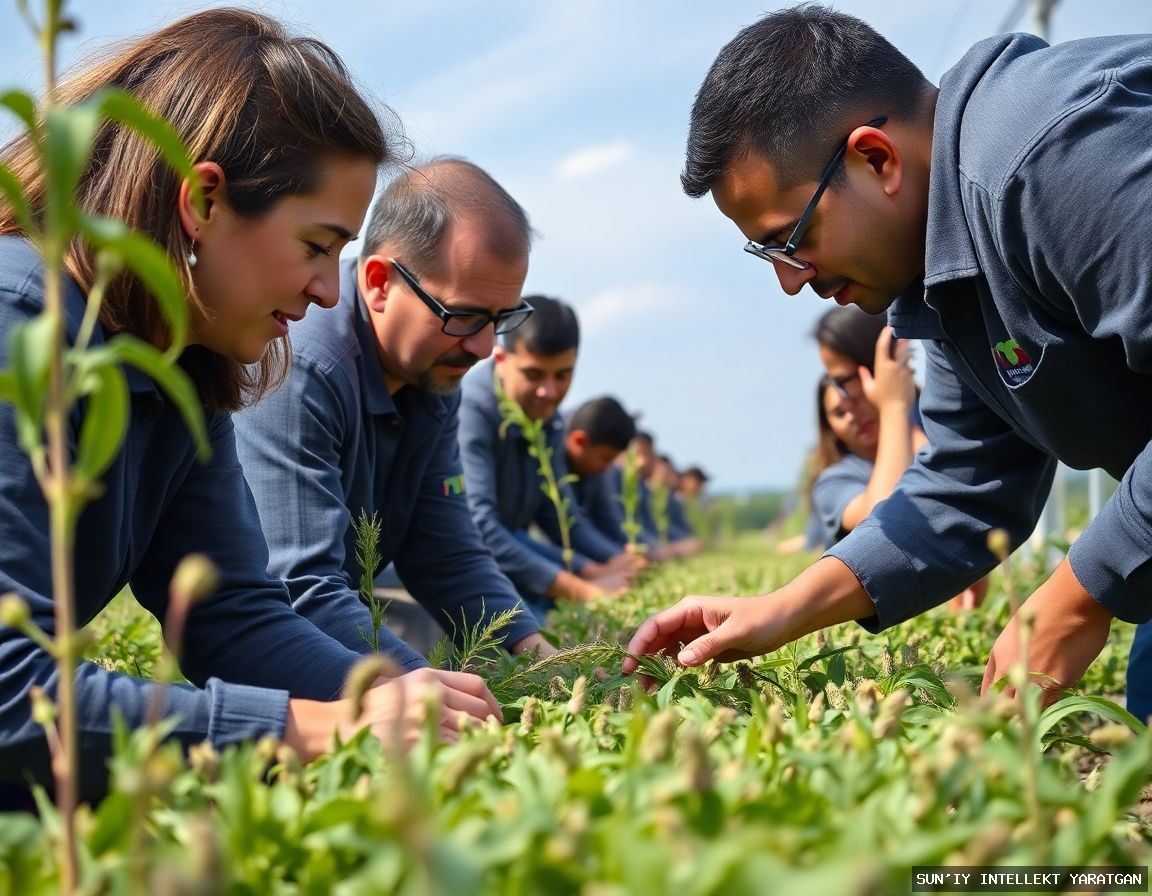
Thirty years ago, GMO products were often dubbed "Frankenstein foods," with environmentalists and media warning of potential allergic reactions, antibiotic resistance, and other long-term health effects. The EU regulated GMOs more tightly than many other regions.
NGTs differ from traditional GMOs in that they often involve editing existing genes using CRISPR, a Nobel Prize-winning tool, rather than introducing foreign genes. Under the proposed legislation, NGT-1 plants (with limited changes akin to conventional breeding) would be treated like conventional crops, while NGT-2 plants (with over 20 modifications or traits like herbicide tolerance) would remain regulated.
Supporters, including Detlef Weigel of the Max Planck Institute, argue that NGT-1 crops could help farmers adapt to climate change by developing drought, pest, and disease-resistant varieties, reducing fertilizer and pesticide use. They claim the regulation is scientifically grounded and proportionate.
However, critics like Michael Antoniou of King's College London contend that CRISPR can cause hundreds or thousands of unintended DNA changes, citing GABA tomatoes as an example. He argues that the EU's rules do not adequately account for these off-target effects and that developers should be required to conduct whole-genome profiling.
Matin Qaim of the University of Bonn suggests the EU has been overly cautious due to public perception driven by anti-GM activists, rather than actual risks. He advocates for smart policies that maintain competition and fair access to innovations.
The World Health Organization recommends case-by-case assessment of GM foods but states that currently available products are unlikely to pose risks to human health.
Source: www.dw.com