Israeli opposition leaders are criticizing Prime Minister Benjamin Netanyahu over the outcomes of the war in the Middle East, with anonymous officials calling the US-Iran agreement a failure for Israel.
Earlier, the US and Iran agreed on a memorandum of understanding aimed at ending the new war in the Middle East. The historic document is expected to be officially signed on June 19 in Geneva.
The agreement provides for a 60-day ceasefire and the resumption of free navigation through the Strait of Hormuz. According to CNN, the document does not include demands for the withdrawal of Israeli troops from Lebanon, despite Israel's joint participation with the US in bombing Iranian territory.
Following the announcement of the compromise between Washington and Tehran, official Tel Aviv distanced itself from the agreement. Israeli authorities stated they do not consider themselves a party to the treaty, and National Security Minister Itamar Ben-Gvir emphasized that the deal does not obligate his country.
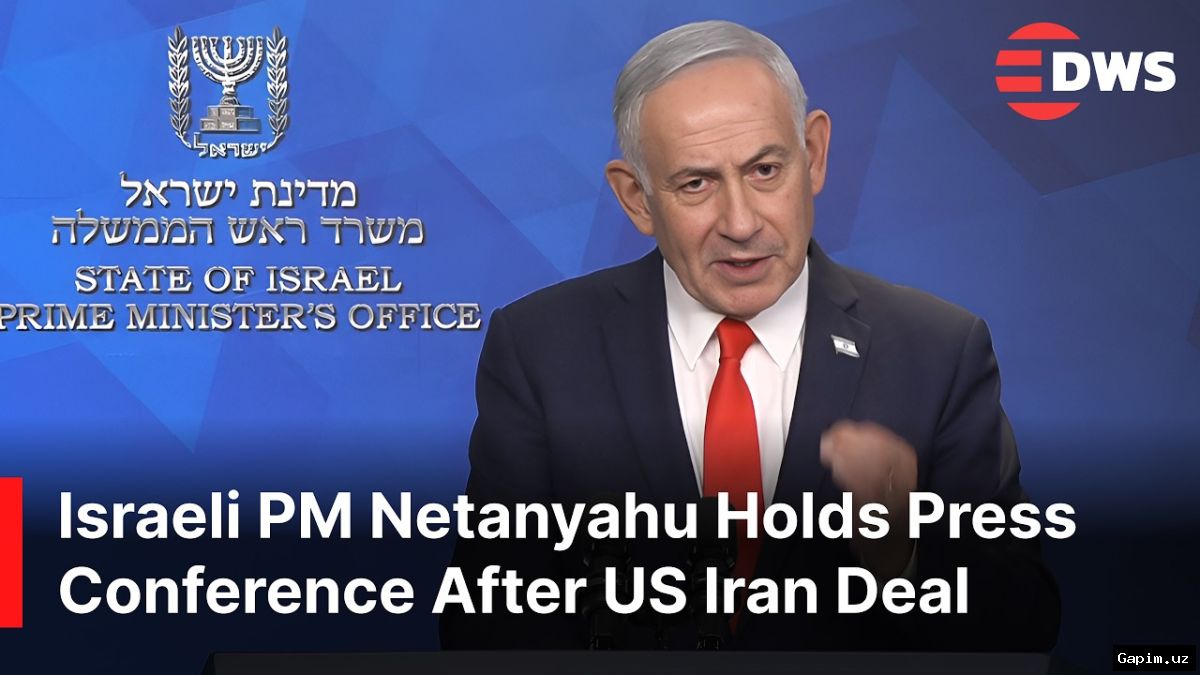
On the evening of June 15, Prime Minister Benjamin Netanyahu acknowledged disagreements with US President Donald Trump at a press conference, noting that "these things happen even in the best of families," but added that he is solely responsible for his country's security interests. He avoided detailed discussion of the deal but firmly stated that Iran will never have nuclear weapons under his leadership.
Netanyahu claimed that Israel has achieved key objectives, destroying Iran's nuclear facilities, missile factories, navy, and air force. He rejected criticism that the goal of regime change in Iran had failed, arguing that the task was to eliminate threats. Energy Minister Eli Cohen warned that Israel is ready to act independently if Tehran attempts to rebuild its military capabilities.
Within Israel, the agreement has sparked harsh criticism and is seen as a serious defeat. A senior Israeli official told Reuters the deal is "terrible" for the country. Anonymous sources said the Israeli side was caught off guard by Trump's announcement of the impending deal and was unable to influence the negotiations.
Opposition leader and former Prime Minister Yair Lapid called the development a diplomatic failure for Netanyahu, leaving the country facing a difficult choice between self-defense and confrontation with its main ally, Washington.
Experts also point to strategic dead ends for Israel. Former Mossad officer Sima Shine told BBC News she is puzzled by the US position, as the agreement effectively leaves Iran with the ability to influence the situation in Lebanon and continue supporting Hezbollah.
BBC journalists note that the lack of regime change in Iran damages Netanyahu's image. Danny Citrinowicz, an expert at the Institute for National Security Studies, summarized that the situation is extremely dangerous, as any independent Israeli military steps perceived by the White House as sabotage would trigger a harsh response from the US.
Source: podrobno.uz